Diamond Grinding Wheel Types and Application Guide
Diamond grinding wheels are indispensable tools across various industries, especially suitable for grinding and polishing hard materials such as stone, ceramics, and glass. Their unique properties make them ideal for achieving high precision and excellent surface finishes. This article outlines the main types of diamond grinding wheels and their applications to help you choose the right tool for your specific needs.
Main Types of Diamond Grinding Wheels
1. Diamond grinding wheel:
Product Description: This is the most common type of diamond grinding wheel. Diamond particles are fixed to a metal matrix through electroplating or sintering processes. This structure utilizes the high hardness of diamond, thus providing highly efficient grinding performance.
Applications: Diamond grinding wheels are widely used for grinding hard materials such as granite, marble, concrete, and ceramics. They are suitable for both rough and fine grinding, making them versatile tools in stone processing and construction.
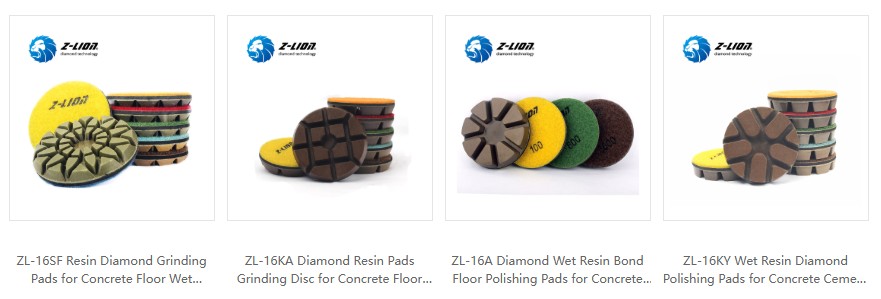
2. Resin-bonded grinding wheel:
Description: In resin-bonded grinding wheels, diamond particles are bonded to a resin matrix. Compared to metal-bonded grinding wheels, these wheels offer greater flexibility, enabling smoother grinding and polishing.
Application Areas: These grinding wheels are commonly used for fine polishing and finishing. They are ideal for applications requiring high-quality surface finishes, such as the production of optical glass, ceramics, and precision parts.
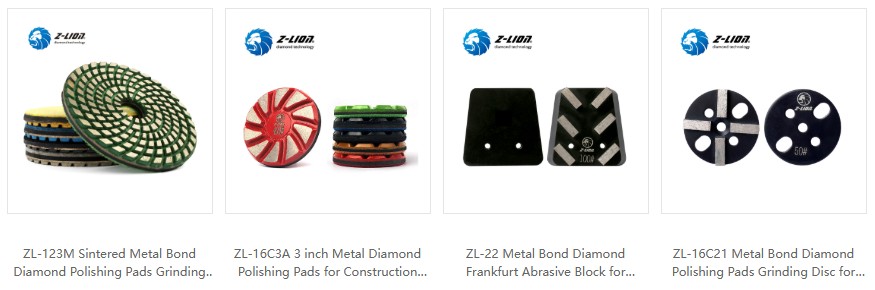
3. Metal-bonded grinding wheel:
Product Description: Metal-bonded grinding wheels are characterized by bonding diamond particles to a metal matrix. This structure gives them high durability and wear resistance, making them suitable for heavy-duty grinding operations.
Application Areas: These grinding wheels are commonly used for rough grinding and heavy-duty machining, such as in the manufacture of tools and molds. They are particularly suitable for grinding hard materials and can withstand high grinding pressures.
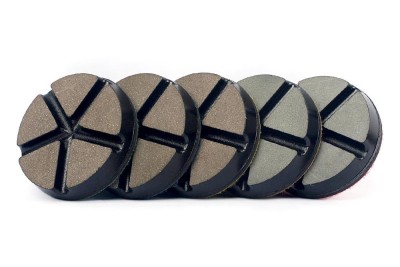
4. Ceramic-bonded grinding wheel:
Product Description: Ceramic-bonded grinding wheels use ceramic materials to bond diamond particles together. These wheels are known for their high machining accuracy and ability to maintain their shape during grinding.
Application Areas: Ceramic-bonded grinding wheels are primarily used for grinding precision parts, such as those used in the aerospace and automotive industries. They are ideal for applications with stringent tolerance requirements and high surface quality demands.
Application Areas
1. Stone processing:
Diamond grinding discs are widely used for grinding marble, granite, and other stones. They are ideal for shaping, polishing, and finishing surfaces, making them essential in the production of countertops, floors, and decorative stone.
2. Construction engineering:
In the construction industry, diamond grinding discs are used to level and clean concrete walls and floors. They effectively remove surface defects, prepare for coatings, and improve the overall appearance of concrete structures.
3. Metalworking:
Specialized diamond grinding discs can be used to process cemented carbide and metals. They efficiently remove material and are suitable for applications requiring high precision and durability, such as tool grinding and metalworking.
4. Glass and ceramics:
Diamond grinding discs are also used for chamfering, edge grinding, and surface finishing of glass and ceramic materials. They produce smooth surfaces, making them ideal for glass processing and tile production.
5. Jewelry processing:
In the jewelry industry, diamond grinding wheels are used to carve and polish jade, gemstones, and other precious materials. They enable intricate designs and high-quality surface finishes, which is essential for creating exquisite jewelry.
Selection Considerations
When selecting diamond grinding discs, the following factors should be considered:
Particle size selection: The grit size of diamond grinding wheels is crucial to their application. Coarse grit (e.g., 20-40 mesh) is suitable for material removal and shaping, while fine grit (e.g., 800 mesh and above) is ideal for polishing and obtaining smooth surfaces.
Device compatibility: Ensure that the size and bore of the grinding wheel are compatible with your equipment (such as an angle grinder or grinding wheel machine). Proper compatibility is essential for safe and efficient operation.
Cooling method: Choose between dry or wet grinding depending on the application. Wet grinding helps reduce dust and extends the life of the grinding wheel by keeping it cool during operation.
Material properties: Select the appropriate binder based on the hardness and brittleness of the material being processed. Different binders will affect the performance and durability of the grinding wheel.
Use and Maintenance
To ensure diamond grinding discs perform optimally and have a longer lifespan, please follow these best practices:
Safety precautions:
Always wear safety goggles and a dust mask to protect yourself from debris and dust. Ensure the workpiece is securely held in place to prevent movement during the grinding process.
Apply force evenly: Distribute pressure evenly across the grinding wheel to avoid localized overheating, which can damage both the wheel and the workpiece. Continuous pressure helps maintain cutting efficiency.
Cleaning and maintenance: Regularly remove debris from the grinding wheel to maintain its cutting power. Keeping the grinding wheel clean ensures optimal performance and extends its service life.
Lifespan assessment: Closely observe the wear of the grinding wheel. Replace the grinding wheel if grinding efficiency drops significantly or abnormal vibrations occur during operation. Regular inspections help prevent accidents and ensure consistent grinding results.
In Conclusion
Diamond grinding discs are versatile tools that play a vital role in various industries, from stone processing and metalworking to jewelry making. By understanding their application areas, making informed choices based on grit size, equipment compatibility, and material properties, and following best practices for use and maintenance, you can maximize the performance and lifespan of your diamond grinding discs. With the right tools and knowledge, you can achieve high-quality results in grinding and polishing work.
-
Online service
-
Official wechat account

-
QQ:844389055
-
E-mail:VIP@zliontools.com
Online Message
Please feel free to give your inquiry in the form below. We will reply you in 24 hours.