How to Accurately Process Holes with Drill Bits?
The drilling operation is a fundamental aspect of material processing in industries as diverse as construction, manufacturing, and woodworking. This method involves using a drill bit to rotate and cut into the material, creating a hole of a specific size and shape. Mastering the correct drill bit selection, ensuring the workpiece is properly secured, and honing the operator's skills are essential to achieving high-quality drilling results. This article takes a deep dive into the key components of the drilling operation and provides best practices for executing it effectively.
Drill Bit Types and Selection
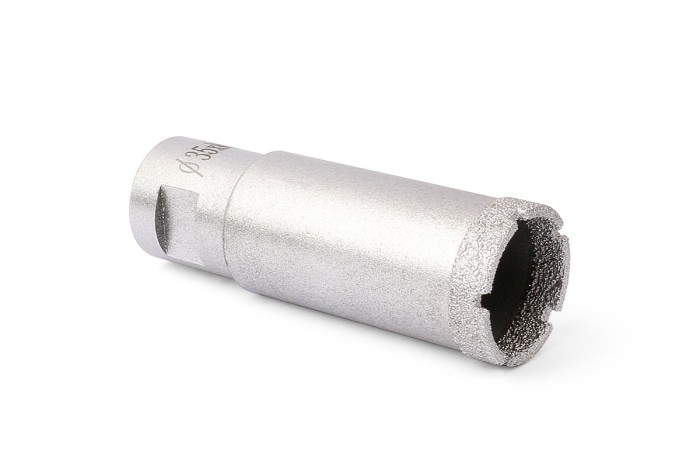
Choosing the right drill bit is critical to the success of any drilling operation. Drill bit selection can significantly impact the quality of the drilled hole, the efficiency of the drilling process, and the overall outcome of the project.
1. Drill bit material
The material of a drill bit plays a vital role in its performance and suitability for different applications. Here are some common drill bit materials and their properties:
a. High speed steel (HSS)
Description: HSS drill bits are made of high speed steel that can withstand high temperatures without losing hardness.
Application: They are suitable for drilling softer materials such as wood, plastic and some metals.
Benefits: HSS drill bits are relatively cheap, versatile and can be used in a variety of applications.
b. Carbide
Description: Carbide drill bits are made of tungsten carbide, a material known for its excellent hardness and wear resistance.
Application: These drill bits are ideal for drilling hard materials such as stainless steel, cast iron, and concrete.
Advantages: Carbide drill bits stay sharp longer than high-speed steel drill bits and can be used for a long time without frequent replacement.
c. Diamond
Description: Diamond drill bits have diamond-embedded cutting edges, making them the hardest drill bits available.
Application: They are mainly used for drilling extremely hard materials including glass, ceramics and stone.
Benefits: Diamond drill bits offer superior cutting performance and durability, making them ideal for professional applications.
2. Drill bit type
Different types of drill bits are designed for specific uses, and choosing the right type is critical to achieving the desired results. Here are some common drill bit types:
a. Torque drill bit
Description: Twist drill bits are the most common type of drill bit and feature spiral grooves that help remove debris from the hole.
Application: They are suitable for use on a variety of materials including wood, plastic and metal.
Benefits: Twist drill bits are versatile and come in a variety of sizes for general purpose drilling.
b. Spade drill bit
Description: A spade drill bit has a flat paddle shape with a sharp tip and can be used to drill larger holes.
Application: They are commonly used for drilling holes in wood and soft materials.
Benefits: Spade drill bits can drill large holes quickly and efficiently and are often used in construction and carpentry.
c. Core drill bit
Description: Core drill bits are used to remove cylindrical cores from materials, leaving clean holes.
Application: They are used to drill larger holes in concrete, masonry and other hard materials.
Benefits: The drill drills smooth, clean holes, ideal for applications requiring precise hole sizes.
3. Diameter and length
The diameter and length of the drill bit are key factors affecting the drilling process:
a. Diameter
Description: The diameter of the drill bit should match the required hole size.
Note: Choosing the correct diameter is critical to achieving the desired fit for screws, pins, or other fasteners. Using a drill bit that is too large or too small will result in poor results.
b. Length
Description: The drill bit should be long enough to penetrate the material without causing instability.
Note: Drilling deep holes requires a longer drill bit while drilling shallow holes requires a shorter drill bit, which is more stable. It’s important to choose a length that balances stretch and stability.
Drilling Operation Steps and Tips for Success
1. Tool Setup and Positioning
The first step in any drilling operation is to ensure the drill bit is properly set up and positioned:
Procedure: First start the machine and bring it up to speed.
Slow move: Gradually move the drill bit closer to the workpiece surface. This slow approach helps prevent sudden impacts from damaging the drill bit or the workpiece.
Alignment: Tool setup is done by adjusting machine parameters or manually fine-tuning the position. The center point of the drill should be accurately aligned with the intended machined hole location. This alignment is critical to achieve accurate hole location.
2. Low speed feed
When starting the drilling process, it is very important to use a slow feed speed:
Importance: Slower feed rates minimize the impact force when the drill first contacts the workpiece. This precaution helps prevent drill breakage and reduces the risk of damaging the workpiece.
Adjustment: As the hole depth increases, the feed rate can be gradually increased. This adjustment can improve drilling efficiency while maintaining control over the process.
3. Use of coolant
For certain materials and drilling conditions, the use of coolant is essential:
Purpose: Coolant is used to cool the drill bit and workpiece, reducing the cutting temperature generated when drilling. This is especially important for heat-sensitive materials or when drilling deep holes.
Benefits of coolant
Extended tool life: By reducing heat, coolant helps extend the life of the drill bit.
Improved machining accuracy: Maintaining lower temperatures can improve the accuracy of drilling operations, resulting in better hole quality.
4. Retracting the tool and clearing chips
After completing the drilling operation, it is important to properly retract the tool and manage the chips:
Slow retraction: Slowly retract the drill bit from the hole. Retracting quickly may cause damage or distortion to the hole.
Chip removal: Clean the chips in the hole to avoid affecting the quality of subsequent processing. Excessive chips will block the drill bit, resulting in poor processing results or even damage.
Chip cleaning method: Use a brush or vacuum to remove debris from the workpiece and surrounding area.
Air blowing: Compressed air can be used to blow out debris from the hole to ensure a clean working environment.
-
Online service
-
Official wechat account

-
QQ:844389055
-
E-mail:VIP@zliontools.com
Online Message
Please feel free to give your inquiry in the form below. We will reply you in 24 hours.