How to Drill Holes in Marble Without Cracking It?
Marble is a stunning natural stone known for its elegance and durability, making it a popular choice for countertops, flooring, and decorative elements. However, marble’s brittle nature makes drilling a challenge, as incorrect techniques can easily lead to cracking. In order to drill clean, precise holes in marble without damaging the stone, it’s essential to follow the correct method and use the right tools. Here’s a comprehensive guide on how to drill holes in marble without cracking.
Prepare
1. Choose the right tools
Drill: Choose a high-quality drill with adjustable torque and speed. Variable speed drills allow for greater control, which is crucial when working with delicate materials like marble.
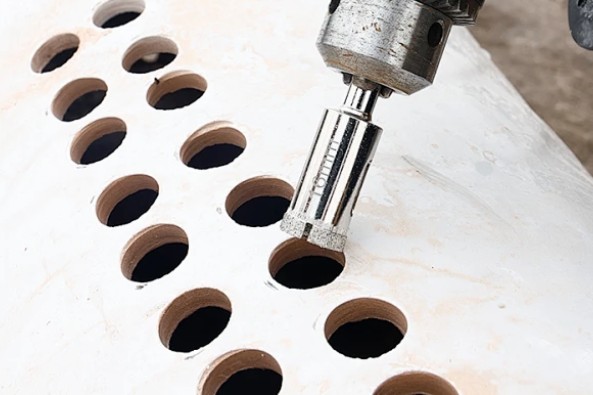
Drill bit: Use a drill bit designed specifically for stone. Diamond drill bits are highly recommended as they are durable and can withstand high pressure. Ceramic drill bits are equally effective as they generate less heat and reduce the risk of cracking.
2. Prepare materials
Lubricant: To minimize heat buildup during drilling, use water or a special stone drilling lubricant. Keeping the drill bit cool is essential to prevent drill cracking and extend drill bit life.
Anti-vibration pads: Place anti-vibration pads or a piece of soft cloth under the marble slab. This helps absorb vibrations and reduce the impact on the stone, further reducing the possibility of cracking.
3. Mark the hole locations
Use a pencil or erasable marker to mark the exact location of the holes on the marble surface. This step is critical to ensure precision and avoid unnecessary drilling errors.
Drilling Steps
1. Repair the stone
Secure the marble to a stable work surface to prevent movement during drilling. Use clamps or rubber pads to hold the marble firmly in place. This stability is essential to maintain accuracy and avoid cracking.
2. Pre-drill a small hole
First, pre-drill a pilot hole at the marked location with a small diameter drill bit (1-2 mm). This pilot hole helps the subsequent drill bit maintain its position, reduces the risk of slipping, and ensures a more precise drilling process.
3. Apply lubricant
Before drilling, apply a proper amount of lubricant on the drill bit and marble surface. This will not only reduce friction and heat, but also improve the smoothness of the drilling process.
4. Gradual drilling
Start by drilling with a small diameter drill bit and then gradually increase to the desired diameter. This gradual approach will help prevent cracking of the marble. Control your speed and pressure while drilling; maintain a moderate speed (usually between 500-1000 rpm) and apply gentle pressure. Avoid using excessive force, which can cause the marble to crack.
5. Timed cooling
While drilling, stop periodically to flush the drilling area with water. This cooling method helps keep the drill bit and marble surface cool, preventing overheating that can cause cracks.
Post-Processing
1. Clean the holes
After drilling, use a brush or hair dryer to clean the stone powder around the holes to keep the appearance.
2. Check for cracks
Carefully check the holes and surrounding areas for cracks. If cracks are found, stop using it immediately and take repair measures.
In Conclusion
Drilling holes in marble requires careful preparation and the right techniques to avoid damaging the stone. By following these steps—selecting the right tools, securing the marble, pre-drilling a pilot hole, applying lubricant, gradually increasing the hole diameter, and ensuring proper cooling—you can achieve a clean, precise hole without damaging the marble. Whether you're installing a fixture, creating a decorative element, or taking on a DIY project, mastering these techniques will ensure success and preserve the beauty of your marble surface.
-
Online service
-
Official wechat account

-
QQ:844389055
-
E-mail:VIP@zliontools.com
Online Message
Please feel free to give your inquiry in the form below. We will reply you in 24 hours.