How to use diamond saw blades correctly?
Diamond saw blades are essential cutting tools widely used in the processing of hard and brittle materials such as ceramics, concrete, stone, and refractory materials. Their unique composition and design make them extremely effective at completing demanding cutting tasks. This article takes an in-depth look at how to use a diamond saw blade correctly.
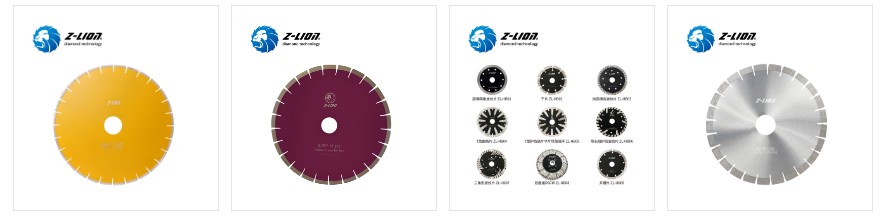
Composition of Diamond Saw Blade
Diamond saw blades consist of two main components: the base and the cutting head.
1. Basics:
The base of the diamond saw blade serves as the main support structure for the bonded blade head. It is usually made of sturdy material that can withstand the stress of cutting operations.
The base is designed to provide stability and strength, ensuring the blade can handle the rigors of cutting tough materials without bending or breaking.
2. Cutter head:
The cutter head is the cutting part of the diamond saw blade and is where the actual cutting action occurs. It consists of diamond particles embedded in a metal matrix.
Diamond is the hardest substance known, making it ideal for cutting and grinding hard materials. The cutter head is designed to efficiently rub and cut the workpiece, resulting in clean, precise cuts.
Working Principle of Diamond Saw Blade
When in use, the tip of the diamond saw blade engages the material being cut. As the blade rotates, the diamond particles rub against the surface of the material, effectively grinding and slicing.
Continuous consumption: It is important to note that due to the abrasive nature of the cutting process, the cutter head will gradually wear out during use. This ongoing consumption is a normal part of blade operation and is critical to maintaining cutting efficiency.
Durability of base: Unlike the blade, the base of a diamond saw blade does not wear out in the same way. Its durability ensures the blade will last for a long time, making it a cost-effective choice for heavy-duty applications.
Application of Diamond Saw Blades
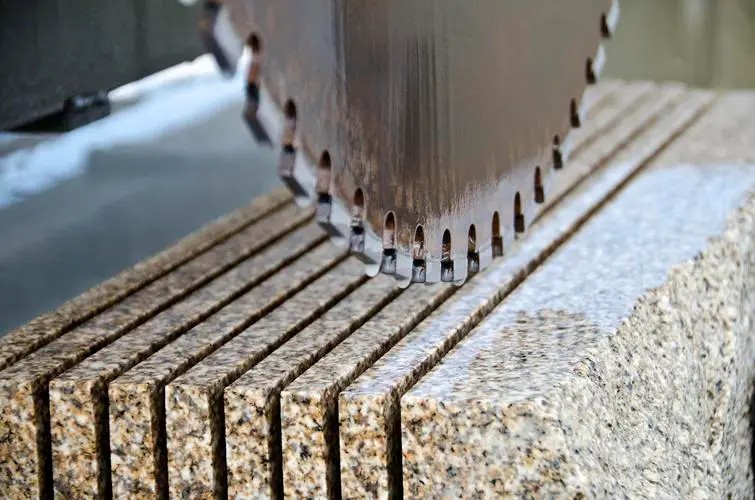
Diamond saw blades are versatile tools used in a variety of industries, including:
Construction: In the construction industry, diamond saw blades are commonly used for cutting concrete, asphalt and masonry materials. They are vital for tasks such as road construction, building foundations and renovation projects.
Stone processing: Stone fabricators use diamond saw blades to cut granite, marble and other natural stones. The precise and clean cuts these blades provide are essential for creating countertops, tiles, and sculptures.
Ceramics and refractories: In the ceramics industry, diamond saw blades are used for cutting tiles, porcelain and other ceramic materials. Their ability to handle hard and brittle materials makes them ideal for producing complex designs and shapes.
Proper Use of Diamond Saw Blades: A Basic Guide
Diamond saw blades are valuable tools for processing hard and brittle materials such as ceramics, concrete, stone, and refractory materials. However, improper use may result in damage, accidents, and poor results. To ensure safety and efficiency, it is important to follow specific guidelines when using diamond saw blades. Here is a comprehensive guide on how to properly use these cutting tools.
1. Wear protective equipment
Safety should always come first when operating any cutting tool.
Protective Equipment: Always wear protective glasses, shields, hard hats, gloves, and protective shoes. This gear will help protect against flying debris and potential injuries.
2. Check the blade before installation
Before using a diamond saw blade, a thorough inspection must be carried out.
Check for damage: Check for any cracks, twists, unevenness or missing teeth. Installing a damaged blade can result in accidents and poor cutting performance.
3. Store correctly
How you store your diamond saw blade can significantly affect its lifespan and performance.
Vertical storage: Store blades vertically on a dry rack to prevent deformation or damage. Avoid placing them in humid conditions, as moisture can cause rust and deterioration.
4. Ensure correct installation
Proper installation is essential for safe and efficient operation.
Center hole inspection: After installing the diamond saw blade, confirm that the center hole is securely installed on the saw table. Use washers if necessary and gently push the blade with your hand to check for eccentric wobble.
5. Correct installation direction
Installing the blade in the wrong orientation can cause serious problems.
Align Cutting Direction: Always ensure that the cutting direction indicated by the arrow on the diamond saw blade is aligned with the direction of rotation of the saw table. Improper installation can lead to tooth loss and serious cutting accidents.
6. Blade pre-rotation
Before using a new diamond saw blade, it must be prepared for operation.
Pre-spin time: Allow blades to pre-spin for 2-5 minutes. This step ensures that the blade is properly seated and ready to cut.
7. Confirm compatibility with materials
Before cutting, make sure the diamond saw blade is suitable for the material you are cutting.
Purpose of inspection: Verify blade specifications match material type to avoid damage and ensure efficient cutting.
8. Avoid sudden stops
When cutting, maintaining stable operation is crucial.
No sudden stops: Avoid sudden stops with your diamond saw blade while cutting material. Sudden stopping can lead to deformation and tooth loss.
9. Gentle cutting technology
Using the correct technique is crucial to maintaining the integrity of your blade and achieving a clean cut.
Gentle pressure: Let the diamond blade cut gently into the material. Avoid applying excessive pressure or force. For new blades, control the feed speed to about 30%-40% of the actual feed speed.
10. Monitor abnormal situations
Be alert at all times during operation.
Listen and observe: If you hear unusual sounds or notice unusual shaking or uneven cutting surfaces, please stop the operation immediately. Investigate the cause of the problem and replace the diamond saw blade if necessary.
Diamond Saw Blade Maintenance and Repair
1. Remove glaze or paint
If you notice any glaze or paint on the surface of your diamond saw blade, be sure to remove it immediately.
Use a grinding wheel or sandpaper: Use a grinding wheel or sandpaper to gently clean the blade. This will help restore its cutting efficiency and prevent any buildup that could affect performance.
2. Avoid improper use
Diamond saw blades are designed for straight cuts.
No grinding or bending: Avoid using diamond saw blades for grinding or bending tasks. Their primary function is to cut straight lines, and improper use can cause damage and reduce efficiency.
3. Material compatibility
Knowing what materials a diamond saw blade can cut is critical to its longevity.
Suitable Materials: Diamond saw blades are ideal for fast cutting of inorganic non-metallic hard and brittle materials such as granite, marble, concrete, ceramics and bricks. They can also cut softer materials such as asphalt and cinder blocks.
4. Sharpen the knife
If you find that the surface of the diamond saw blade is smooth, the diamond tip is small, or the blade does not cut sharply, it needs to be sharpened.
Re-sharpening Method: Use a grinding wheel or refractory brick to re-sharpen the blade. This process helps remove the metal debris encasing the diamond tip and restores the blade's cutting ability.
Avoid Overheating: Please be careful not to continuously use a polished or overheated saw blade as this may cause further damage.
-
Online service
-
Official wechat account

-
QQ:844389055
-
E-mail:VIP@zliontools.com
Online Message
Please feel free to give your inquiry in the form below. We will reply you in 24 hours.