The Difference Between Diamond Sandpaper and Silicon Carbide Sandpaper
When sanding materials, the choice of sandpaper significantly impacts the final surface finish and processing efficiency. Diamond sandpaper and silicon carbide sandpaper are two of the most commonly used types. While both are suitable for different applications, they differ significantly in material composition, hardness, and intended use. This article will explore these differences to help you make an informed choice based on your sanding needs.
1. Material Differences
The main difference between diamond sandpaper and silicon carbide sandpaper lies in their material composition:
Diamond sandpaper: Diamond sandpaper is made from natural diamond particles formed from carbon crystals under extreme temperature and pressure conditions. This makes diamond sandpaper an extremely hard and durable abrasive capable of withstanding severe wear.
Silicon carbide sandpaper: Unlike diamond sandpaper, silicon carbide sandpaper is a synthetic abrasive made from a mixture of silicon and graphite. While it is also a hard material, its hardness is slightly lower than that of diamond. Silicon carbide is produced by combining silicon dioxide and carbon through a high-temperature process.
2. Hardness Difference
The hardness of an abrasive is a key factor affecting its performance.
Diamond hardness: Diamond is the hardest known natural material, rated 10 on the Mohs scale. This exceptional hardness makes diamond sandpaper ideal for cutting and grinding hard materials such as marble, ceramics, and even certain metals.
Silicon Carbide Hardness: Silicon carbide sandpaper has a Mohs hardness of approximately 9. While still considered a hard material, it is less hard than diamond. Therefore, silicon carbide is better suited for processing softer materials, such as common metals and wood, where high hardness is not required.
3. Application Differences
The differences in material composition and hardness between diamond sandpaper and silicon carbide sandpaper lead to their different applications:
Applications of diamond sandpaper: Diamond sandpaper is primarily used for cutting and grinding high-hardness materials. It is particularly suitable for the following applications:
Marble and ceramic: Ideal for achieving a smooth finish on hard surfaces.
Gemstone processing: Widely used in the jewelry industry for shaping and polishing gemstones.
Blade manufacturing: Due to its durability and effectiveness, it is used to produce cutting tools and blades.
Applications of silicon carbide sandpaper: Silicon carbide sandpaper is commonly used for grinding and finishing softer materials. Its applications include:
Metalworking: Effectively grinds and polishes metals to achieve the desired smoothness and gloss.
Woodworking: Used for sanding wood surfaces, providing a fine finish without damaging the material.
Automotive industry: Commonly used in car repair and body restoration to prepare surfaces for painting.
4. Price Difference
One of the most significant differences between diamond sandpaper and silicon carbide sandpaper is the price:
Diamond sandpaper: Diamond sandpaper is typically more expensive due to the complex manufacturing process of diamond abrasives. Diamond is a natural mineral that requires extensive processing before it can be effectively used in sandpaper production. This results in higher operating costs, making diamond sandpaper a high-end product.
Silicon carbide sandpaper: Compared to other materials, silicon carbide sandpaper has a relatively low manufacturing cost. As a man-made mineral made from a mixture of silicon and graphite, its production process is simpler and more cost-effective. This affordability makes silicon carbide sandpaper more widely used in everyday production and processing applications.
5. Advantages and disadvantages
Diamond sandpaper and silicon carbide sandpaper each have their own unique advantages and disadvantages, which affect their suitability for different applications:
Diamond sandpaper:
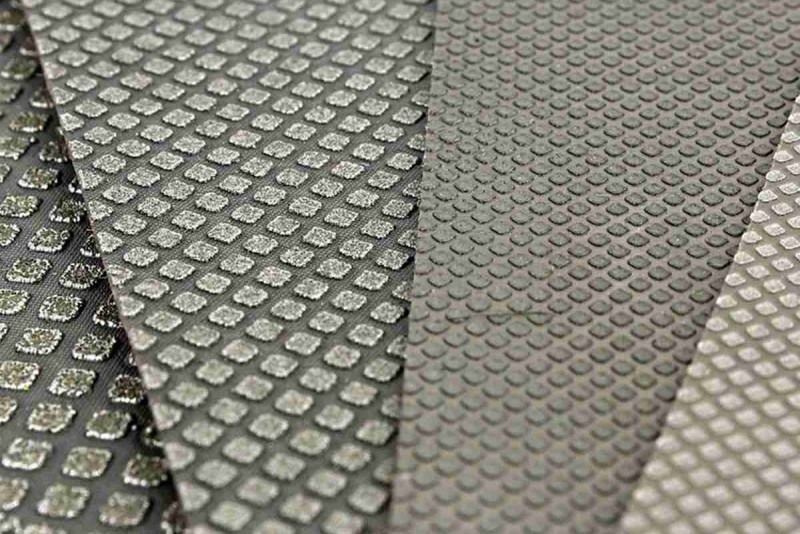
Advantages:
Extremely high hardness: Diamond sandpaper has the highest hardness rating, making it ideal for cutting and grinding high-hardness materials such as marble, granite, and ceramics.
Durability: Diamond abrasives have excellent wear resistance, which allows them to maintain cutting efficiency even after prolonged use.
Shortcoming:
Surface damage: Due to the extremely high hardness of diamond sandpaper, it may damage the surface of softer materials when processing shallower surfaces. Exercise caution to avoid applying excessive pressure.
Silicon carbide sandpaper:
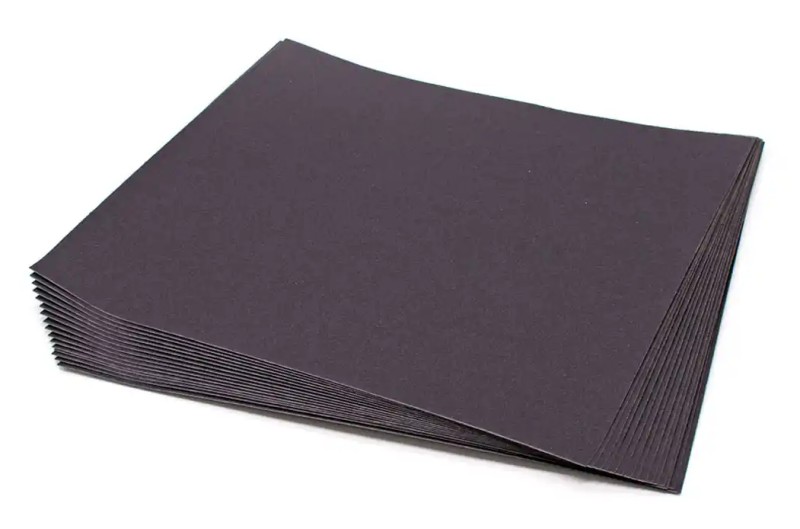
Advantages:
Good abrasion resistance: Silicon carbide sandpaper has good abrasion resistance and provides a uniform abrasion pattern, making it suitable for a variety of applications.
Versatility: Suitable for grinding and polishing softer materials, including metals and wood, without damaging the surface.
Shortcoming:
Lower hardness: Although silicon carbide is still a hard material, it is not as hard as diamond, which limits its effectiveness in high-hardness materials.
6. Applicable Scenarios
The choice between diamond sandpaper and silicon carbide sandpaper depends primarily on the specific requirements of your project.
Diamond sandpaper:
Gemstone processing: Ideal for gemstone shaping and polishing due to its precision and durability.
Precision cutting: Used in industries requiring precise cutting, such as the manufacture of cutting tools and blades.
Ceramic and marble surface finishes: Ideal for achieving a smooth finish on hard surfaces.
Silicon carbide sandpaper:
Metalworking: Effectively grinds and polishes metals to achieve the desired smoothness and gloss.
Woodworking: Commonly used for sanding wood surfaces, providing a fine finish without damaging the material.
Automotive refinish paint: Commonly used for car body repair, preparing the surface before painting.
In Conclusion
In summary, the choice between diamond sandpaper and silicon carbide sandpaper depends on the specific needs of your project. Diamond sandpaper is ideal for high-hardness materials, offering superior durability and performance. Silicon carbide sandpaper, on the other hand, is better suited for softer materials, effectively grinding and finishing them. Understanding these differences will help you choose the right sandpaper, ensuring optimal results in your sanding and polishing work.
-
Online service
-
Official wechat account

-
QQ:844389055
-
E-mail:VIP@zliontools.com
Online Message
Please feel free to give your inquiry in the form below. We will reply you in 24 hours.