Tile Cutting: Dry Cutting or Wet Cutting?
When cutting tiles, the choice between dry and wet cutting significantly impacts cutting quality, process efficiency, and the overall working environment. Each method has its advantages and disadvantages, making it crucial to understand their differences to select the best option for your specific needs. This article will explore two main tile cutting methods and compare their effectiveness from various perspectives.
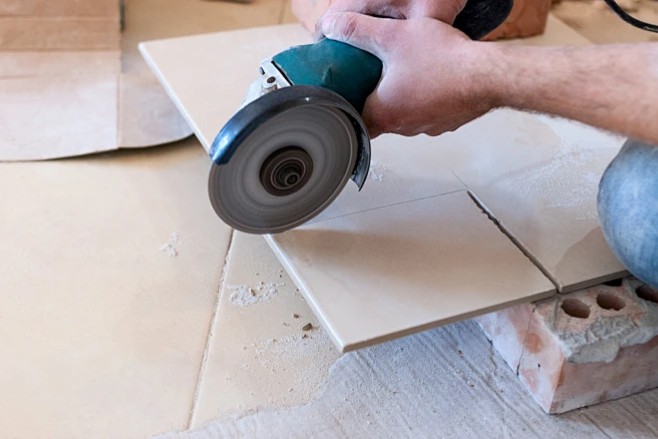
Tile Cutting Methods
There are two main methods for cutting tiles: dry cutting and wet cutting.
Dry cutting: This method uses a dry chainsaw or tile cutter, eliminating the need for water. It is typically faster and more portable, making it suitable for certain applications.
Wet cutting: Wet cutting refers to spraying water during the cutting process to lower the temperature of the tile. This method is commonly used in professional settings and is known for its effectiveness in reducing tile damage.
Comparison of Dry Cutting and Wet Cutting
Slicing damage:
Dry cutting: This method can cause severe cutting damage, especially when cutting near edges or holes. The high speed of a dry cutter can cause tiles to chip and crack, affecting their integrity.
Wet cutting: Using water during the cutting process can significantly reduce cutting damage. Water helps cool the tile and lubricate the cut surface, minimizing the risk of chipping and ensuring a cleaner, crisper cut.
Tile dust problem:
Dry cutting: One of the main drawbacks of dry cutting is the generation of significant amounts of tile dust. This dust creates a hazardous working environment, impacting the health of the construction site and workers. Prolonged exposure to tile dust can lead to respiratory illnesses and other health problems.
Wet cutting: Wet cutting uses water flow to suppress dust generation, thereby minimizing tile dust. This not only creates a cleaner working environment but also reduces the health risks associated with inhaling dust. The water mist spray captures dust particles, preventing them from being stirred up.
Cutting speed:
Dry cutting: Although dry cutting can be faster in some cases, it usually results in a decrease in overall performance due to the potential for cutting damage and the need for additional finishing work.
Wet cutting: Under the same conditions, wet cutting is generally faster than dry cutting. The sprayed water lowers the cutting temperature, reduces damage to ceramic parts, and ensures their integrity. This efficiency makes wet cutting a more effective method for achieving high-quality cuts.
In Conclusion
In summary, wet cutting is a superior method for tile cutting compared to dry cutting due to its numerous advantages. Wet cutting reduces cutting damage, minimizes tile dust, increases cutting speed, and ensures tile integrity, thus providing a more efficient solution for tile laying and renovation projects. Furthermore, wet cutting offers many environmental and health benefits, making it the wiser choice whenever possible.
For anyone involved in tile cutting, whether a professional or a DIY enthusiast, choosing wet cutting improves work quality and ensures environmental safety. This method not only delivers better cutting results but also contributes to a healthier and more sustainable approach to tile cutting.
-
Online service
-
Official wechat account

-
QQ:844389055
-
E-mail:VIP@zliontools.com
Online Message
Please feel free to give your inquiry in the form below. We will reply you in 24 hours.