What Are the Essential Tools for Polishing Quartz Stone?
Quartz polishing is a delicate process that enhances its natural beauty and durability. Using the right tools and materials is crucial for achieving a high-quality finish. This article introduces the essential tools needed for quartz polishing to ensure a smooth, shiny, and beautiful surface.
Essential Tools for Polishing Quartz Stone
1. Grinding wheel
Before polishing quartz stone, the surface must first be sanded with a grinding wheel. This step is crucial because it prepares the stone for subsequent polishing processes. When choosing a grinding wheel, consider the following points:
Grit: It is generally recommended to use sandpaper with a grit between 240 and 600 for quartz. Coarser sandpaper (240-400) is suitable for initial sanding, while finer sandpaper (500-600) helps to further refine the surface before polishing.
Materials: Grinding wheels made of diamond abrasive are selected because they are specifically designed for hard materials such as quartz, providing efficient grinding without damaging the surface.
2. Polishing pad
Polishing pads are essential for achieving a high gloss finish on quartz surfaces. They are available in a variety of hardnesses and colors, making the polishing process more flexible. Here are some key considerations:
Hardness: Use a harder polishing pad during the initial polishing stage to effectively remove scratches left over from the grinding process. Then, switch to a softer polishing pad for fine polishing to improve surface gloss and smoothness.
Color: The color of a polishing pad can indicate its purpose. For example, black polishing pads are typically used for initial polishing, while white or beige polishing pads are typically used for final polishing to achieve a high-gloss finish.
3. Polishing agent
Using polishing compounds can significantly improve the finish of quartz stone. These polishing compounds are designed to enhance surface shine and provide additional protection. When choosing a polishing compound, consider the following factors:
Features: Choose compounds that are waterproof, oil-proof, and stain-resistant. These properties help maintain the polished surface and protect it from daily wear and tear.
Compatibility: Choose a polishing compound that matches the color and texture of the quartz stone. Some polishing compounds are specifically formulated for lighter or darker quartz stones, so be sure to choose the appropriate polishing compound based on the specific characteristics of the quartz stone to be polished.
Quartz Stone Polishing: Steps and Precautions
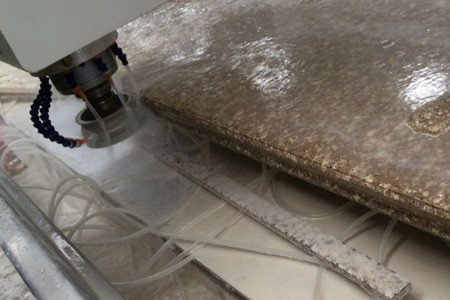
Step 1: Clean the surface of the quartz stone
Thoroughly cleaning the quartz stone surface is essential before starting polishing. This step ensures that no dust, debris, or contaminants will interfere with the polishing process.
Cleaning method: Wipe the surface with clean water and a soft cloth or sponge. Be sure to remove any dirt or particles that may scratch the stone during polishing. Ensure the surface is completely dry before proceeding to the next step.
Step 2: Polishing the surface of the quartz stone
After the surface is cleaned, the next step is to polish it smooth with a suitable grinding wheel. This step is crucial for the preparation work before polishing.
Choose the appropriate grinding wheel: Select a grinding wheel with a grit size between 240 and 600, depending on the surface roughness. Coarser grit (240-400) is suitable for initial grinding, while finer grit (500-600) is helpful for fine grinding of the surface.
How to use: Carefully use the grinding wheel, applying even pressure and moving it at a consistent rhythm. This will help achieve a smooth, flat surface, which is crucial for effective polishing.
Step 3: Polish the quartz stone surface
After the surface is sanded, the quartz stone can be polished. This step requires the use of a polishing pad and polishing compound to achieve a high-gloss surface.
Preliminary polishing:
Polishing pads: Begin with a harder polishing pad. This type of pad helps remove any scratches left from the polishing process.
Tip: Use circular motion and moderate pressure to ensure uniform surface polishing.
Fine polishing:
Softer polishing pads: After the initial polishing, switch to a softer polishing pad. This type of pad can improve the gloss and smoothness of the surface.
Tip: Continue in a circular motion, applying light pressure to avoid overheating the stone.
Final polishing:
Polishing compound: Use a polishing compound suitable for quartz stone. This polishing compound further enhances the shine and provides protection.
How to use: Apply the compound to the surface with a clean cloth or polishing pad and rub it in until the desired gloss is achieved.
Step 4: Precautions
When polishing quartz stone, certain precautions must be taken to ensure optimal results and protect the material:
Monitoring temperature:
Avoid overheating: During polishing, closely monitor the temperature of the quartz stone surface. Excessive heat can damage the stone and affect the polishing result. If the surface temperature becomes too high, pause the process and allow it to cool.
Continuous cleaning:
Prevent residue buildup: Continuously clean the quartz surface during polishing. This helps prevent polishing compound buildup, avoiding dullness or uneven polishing. Wipe away residue with a damp cloth to maintain the polished finish.
Safety equipment:
Protect yourself: Always wear appropriate safety equipment, including goggles and a dust mask, to protect yourself from the dust and debris generated during the polishing process.
In Conclusion
Polishing quartz stone requires the right tools and techniques to achieve a beautiful, high-gloss finish. Using suitable grinding wheels, polishing pads of varying hardness, and effective polishing compounds can enhance the appearance and durability of quartz stone surfaces. Proper selection and use of tools will ensure your quartz stone remains as bright as new for years to come. Whether you are a professional or a DIY enthusiast, investing in quality tools will significantly improve the final result of your polishing project.
-
Online service
-
Official wechat account

-
QQ:844389055
-
E-mail:VIP@zliontools.com
Online Message
Please feel free to give your inquiry in the form below. We will reply you in 24 hours.