Why Diamonds Can Be Used to Make Drill Bits?
Diamond drill bits are renowned for their superior performance and durability, making them a top choice for a wide range of drilling applications. Diamond’s unique properties significantly enhance its effectiveness as a drill bit material. This article explores the key reasons why diamond is used in drill bits.
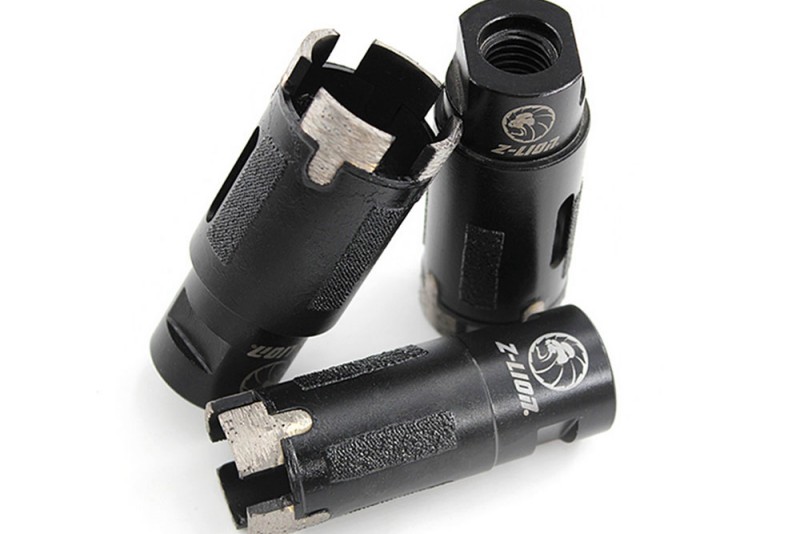
1. Diamond Hardness
One of the most important reasons for using diamond in drill bits is its unparalleled hardness. Diamond is the hardest naturally occurring substance, with a Mohs hardness rating of 10. This exceptional hardness enables diamond drill bits to effectively machine hard materials such as:
Concrete: Diamond drill bits can easily penetrate reinforced concrete, making them ideal for construction and remodeling projects.
Stone: Whether drilling granite, marble, or other types of stone, diamond drill bits provide the necessary strength for clean, precise holes.
Ceramics: Diamond’s hardness enables it to cut through tough ceramic materials without chipping or cracking.
Because diamond can cut through hard materials without damaging them, it is one of the most commonly used drill bit materials in various industries such as construction, mining, and manufacturing.
2. Diamond Thermal Conductivity
Another key property of diamond is its extremely high thermal conductivity. This property enables diamond drill bits to quickly dissipate the heat generated during the drilling process. The advantages of this thermal conductivity include:
Prevents overheating: When diamond drill bits cut through hard materials, friction generates heat. The diamond’s ability to dissipate heat helps prevent overheating, which can lead to tool failure or performance degradation.
Keeps tools sharp: By reducing drill bit temperature, diamond helps maintain its sharpness over long-term use. This increases drilling efficiency and reduces the need for frequent tool changes.
Longevity: The combination of effective heat dissipation and retained sharpness helps extend the overall life of diamond drill bits, making them an affordable choice in the long run.
3. Diamond’s Chemical Stability
Diamond’s excellent chemical stability is another reason for its widespread use in drill bits. This stability enables diamond drill bits to resist corrosion when machining a variety of metals, including:
Steel: Diamond drill bits can effectively drill through various grades of steel without damage, making them suitable for metalworking applications.
Aluminum: Diamond’s chemical stability prevents reactions that could cause wear or damage when drilling aluminum components.
In addition, diamond’s hardness and thermal conductivity make it less likely to become brittle at high temperatures. This toughness ensures that diamond drill bits maintain their performance even under demanding conditions such as high-speed drilling or machining hard materials.
In Conclusion
In summary, diamond is primarily used in drill bits due to its exceptional hardness, high thermal conductivity, and excellent chemical stability. These properties enable diamond drill bits to effectively machine hard materials, dissipate heat, and resist corrosion, making them an indispensable tool across a wide range of industries. Whether in construction, mining, or manufacturing, diamond drill bits provide the performance and durability required to complete demanding drilling tasks, ensuring precision and efficiency in every application. With continued technological advancements, the use of diamond in drill bits is likely to continue to expand, further solidifying its position as a leading material in the drilling industry.
-
Online service
-
Official wechat account

-
QQ:844389055
-
E-mail:VIP@zliontools.com
Online Message
Please feel free to give your inquiry in the form below. We will reply you in 24 hours.