Concrete Grinding Technology and Methods
Concrete grinding is an essential step in construction and renovation, aiming to achieve a smooth, flat surface for subsequent finishing, cutting, and painting. This technique addresses issues such as roughness, uneven hardness, and defects in concrete surfaces, preventing these problems from hindering subsequent finishing, cutting, and painting processes. By employing effective grinding methods, the aesthetics and functionality of concrete surfaces can be improved. This article will explore the necessity of concrete grinding and the various available grinding methods.
Why Is It Necessary to Grind Concrete?
Concrete surfaces often present challenges and hinder subsequent construction. Here are some common problems that concrete grinding can solve:
Rough surfaces: Uneven and rough concrete can make floor installation, coatings, and other decorative finishes difficult. Grinding can eliminate these defects, providing a smooth base for subsequent construction.
Uneven hardness: Differences in concrete hardness can lead to inconsistent wear over time. Grinding helps to achieve a uniform surface hardness, ensuring that any coating adheres firmly and wears evenly.
Defects and damage: Cracks, gaps, and other defects can affect the integrity and appearance of concrete. Grinding can repair these problems, restoring the surface to a more aesthetically pleasing state.
Enhanced aesthetics: Polished and finely sanded concrete surfaces enhance the overall look of the space, making it more attractive for both residential and commercial applications.
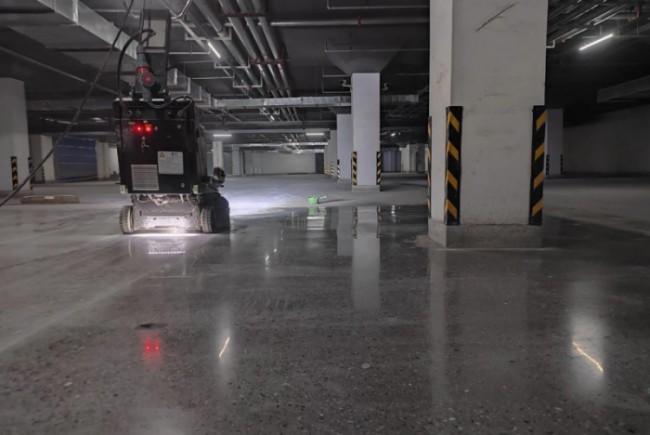
Concrete Grinding Methods
Concrete grinding can be performed using various methods, each suitable for different applications and environments. Two main methods are dry grinding and wet grinding.
1. Dry grinding
Overview: Dry grinding is ideal for sanding large concrete surfaces. It requires an electric angle grinder equipped with a dry grinding pad.
Tools:
Electric angle grinder: A multi-functional tool that can be equipped with a variety of grinding pads.
Dry grinding pads: These grinding pads are designed to grind concrete efficiently without the need for water.
Advantages:
Efficiency: Dry grinding can quickly remove materials and is suitable for large projects.
Less mess: Because no water is used, there is less cleaning required after grinding.
Important note: Dust control is crucial during dry grinding. Using an industrial vacuum cleaner can help collect dust and keep the working environment clean.
2. Wet grinding
Overview: Wet grinding is better suited for small-area operations and is often the preferred method for indoor environments. This method uses water to cool the grinding surface and reduce dust.
Tools:
Electric angle grinder: Similar to dry grinder, but equipped with a wet grinding pad.
Wet polishing pads: These polishing pads are designed to be used with water for smoother polishing and reduced heat buildup.
Cleaning machine: During the grinding process, a cleaning machine may be needed to handle water and debris.
Advantages:
Dust removal: Using water can significantly reduce dust generation, making it more suitable for indoor use.
Cooling effect: Water helps keep the grinding surface cool, preventing overheating and avoiding damage to tools and concrete.
Important notes: Wet grinding requires a water source and may not be suitable for outdoor use in cold weather as the water will freeze.
Concrete Grinding Techniques
1. Choosing the right grinding head
Choosing the right grinding head is crucial for achieving optimal concrete grinding results. Different types of grinding heads are suitable for different applications:
Diamond grinding heads: These grinding heads are ideal for grinding the bottom layer of concrete. Diamond grinding heads are known for their durability and high efficiency in removing hard materials, making them suitable for initial grinding jobs.
Grinding wheels: Grinding wheels are commonly used to smooth surfaces. They provide a finer surface finish and effectively prepare the surface for subsequent processing or coating.
Choosing the right grinding head for the specific task can improve efficiency and the quality of the finished product surface.
2. Grinding direction
The grinding direction significantly affects the grinding effect:
Dry grinding: When dry grinding, it is recommended to grind the surface at a certain angle in the same direction. This technique helps to maintain control and ensures that the grinding head effectively removes material without damaging the surface.
Wet grinding: The advantage of wet grinding is that it allows for flexible grinding at bevels or right angles. The use of water helps cool the grinding head and reduce dust, making it easier to achieve a smooth surface.
3. Gradual transition grinding head
During the grinding process, the transition between different grinding heads must be gradual. This method helps avoid repeated grinding in the same area, thus preventing uneven surfaces or marks. Here are some techniques for effective transitions:
Start with coarse abrasive: First, use a coarse abrasive grinding head to remove a large amount of material and handle any larger defects.
Gradually switch to finer sandpaper: As you continue sanding, gradually switch to finer sandpaper. This transition makes the surface smoother and facilitates fine sanding without leaving noticeable marks.
Monitor progress: Regularly check the flatness and smoothness of the surface when changing the grinding head. This ensures you achieve the desired grinding results without over-grinding.
Precautions
Safety is paramount when performing concrete grinding operations. The following are essential precautions that must be followed:
Safety precautions: Always wear appropriate personal protective equipment when grinding concrete. This includes:
Abrasion-resistant safety goggles: Protect your eyes from dust and debris.
Masks: Dust masks or respirators help prevent the inhalation of harmful particles.
Gloves: Wear gloves to protect your hands from chafing and cuts.
Safety shoes: Always wear sturdy shoes to protect your feet from heavy equipment and falling debris.
Dust control: Dust control is crucial in both dry and wet grinding operations. Please implement the following measures:
Vacuum cleaner: Use industrial vacuum cleaners to capture dust at its source, minimizing particulate matter in the air.
Fan: Place a fan to help blow dust away from the work area and improve air circulation.
-
Online service
-
Official wechat account

-
QQ:844389055
-
E-mail:VIP@zliontools.com
Online Message
Please feel free to give your inquiry in the form below. We will reply you in 24 hours.