- Application
- For Concrete For Stone For Dekton/Ceramic For Glass Others
- For Stone
- Flexible Polishing Pad Diamond Hand Pad Diamond Flexible Sheet Diamond Belt Diamond Flap Disc Diamond Cup Wheel Diamond Grinding Disc Diamond Fickert Diamond Cutting Blade Diamond Wire Saw Diamond Wire Diamond Finger Bit Diamond Drum Wheel Diamond Profiling Wheel Diamond Drill Bit Small Tool Other Diamond Edge Polishing Pad Calibrating Wheel
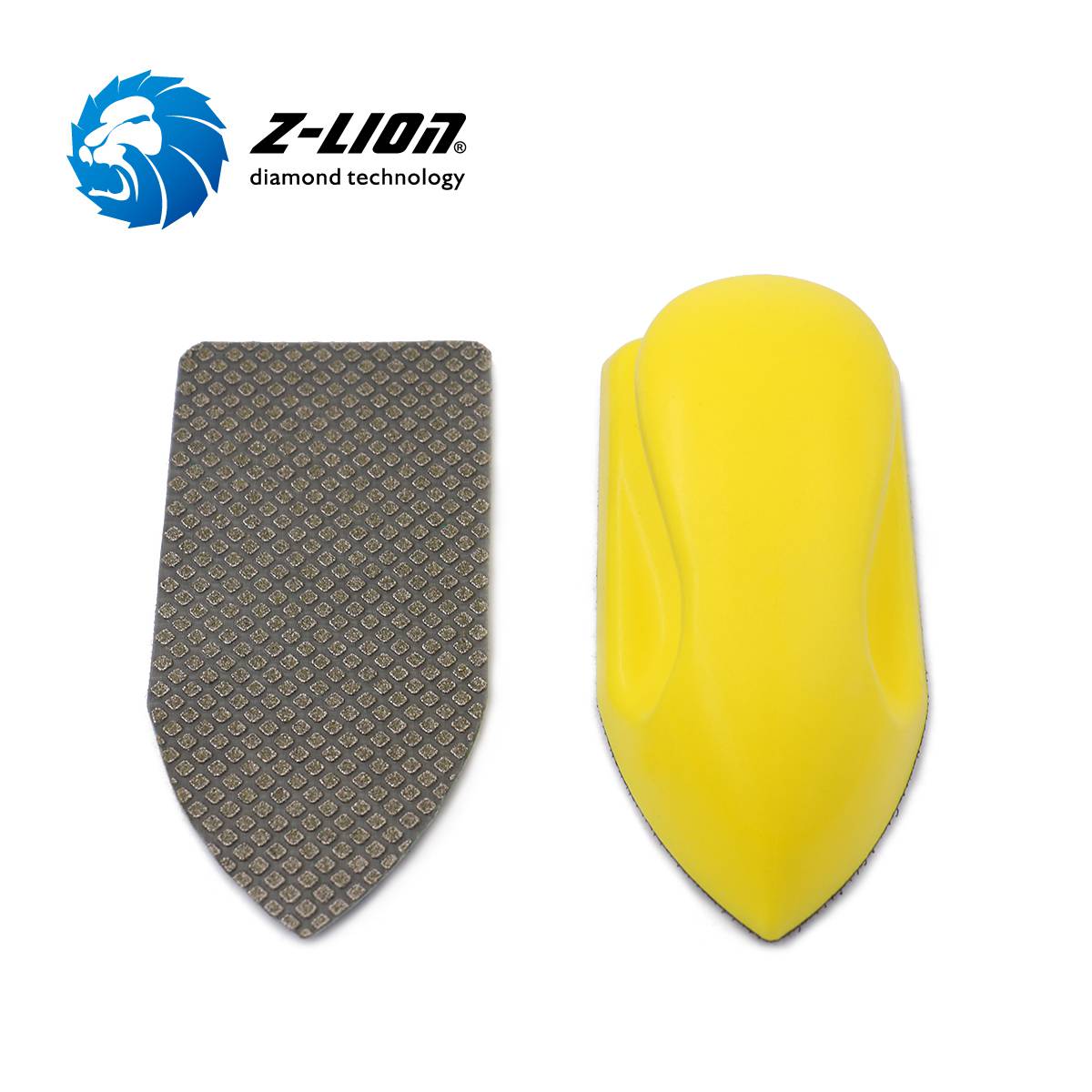
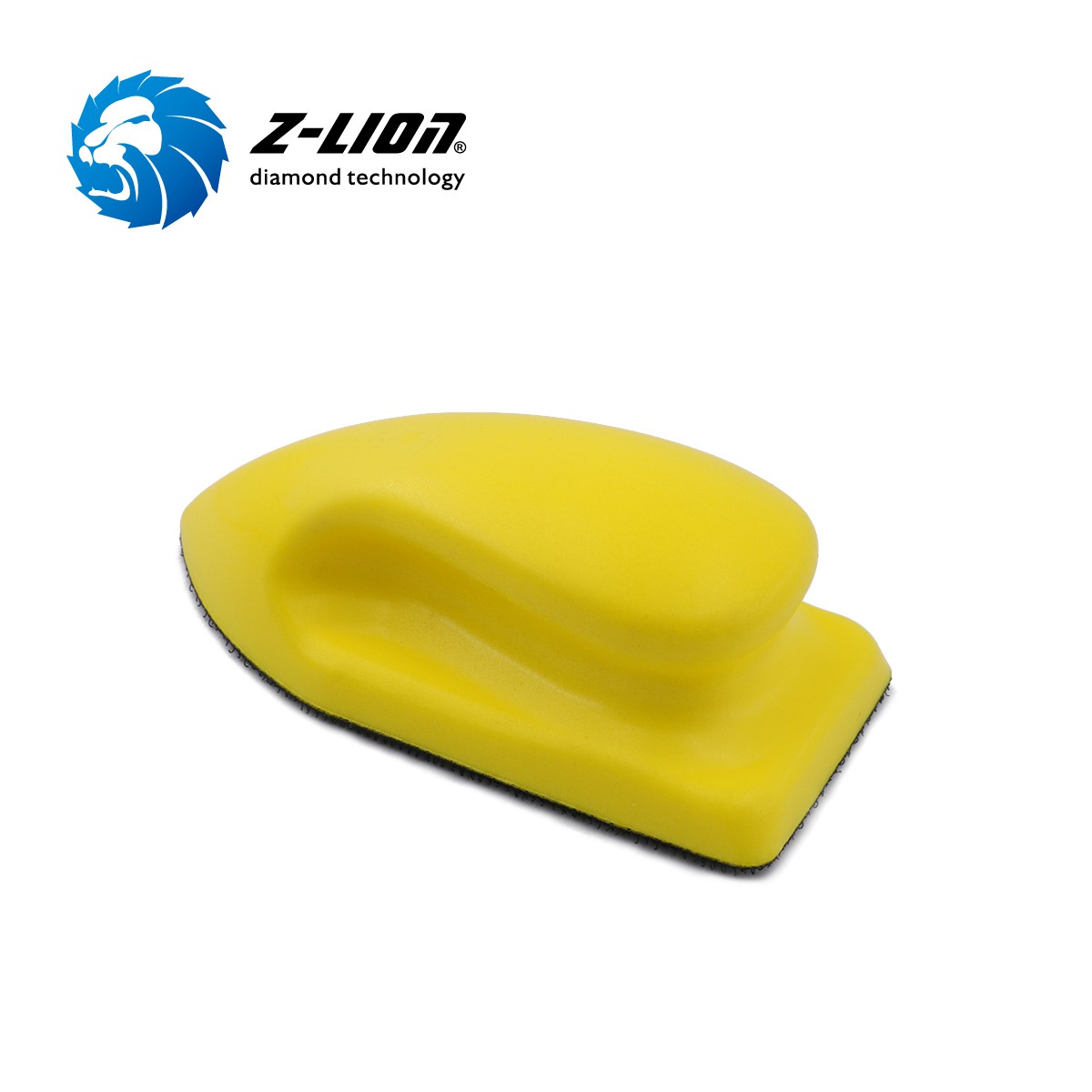
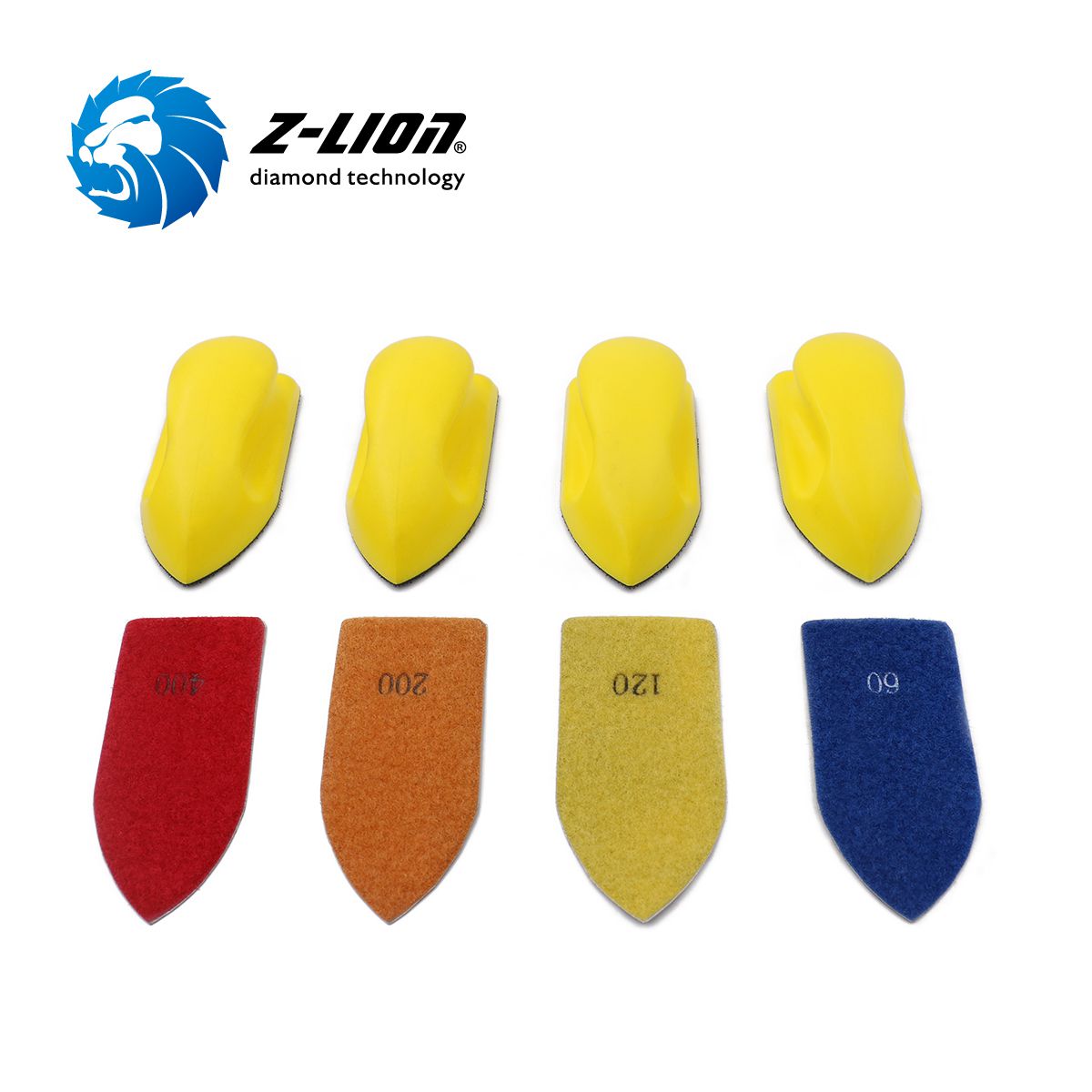
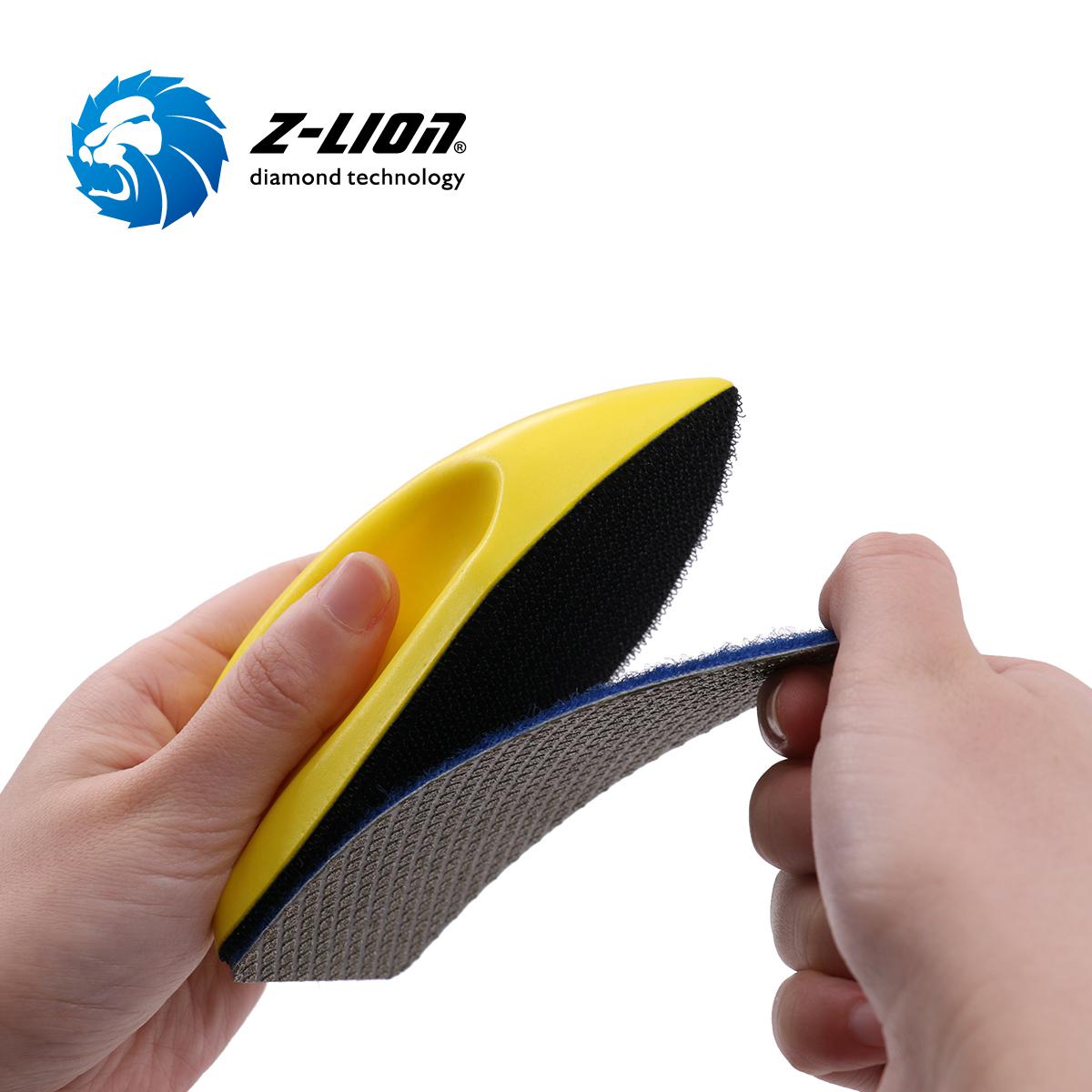
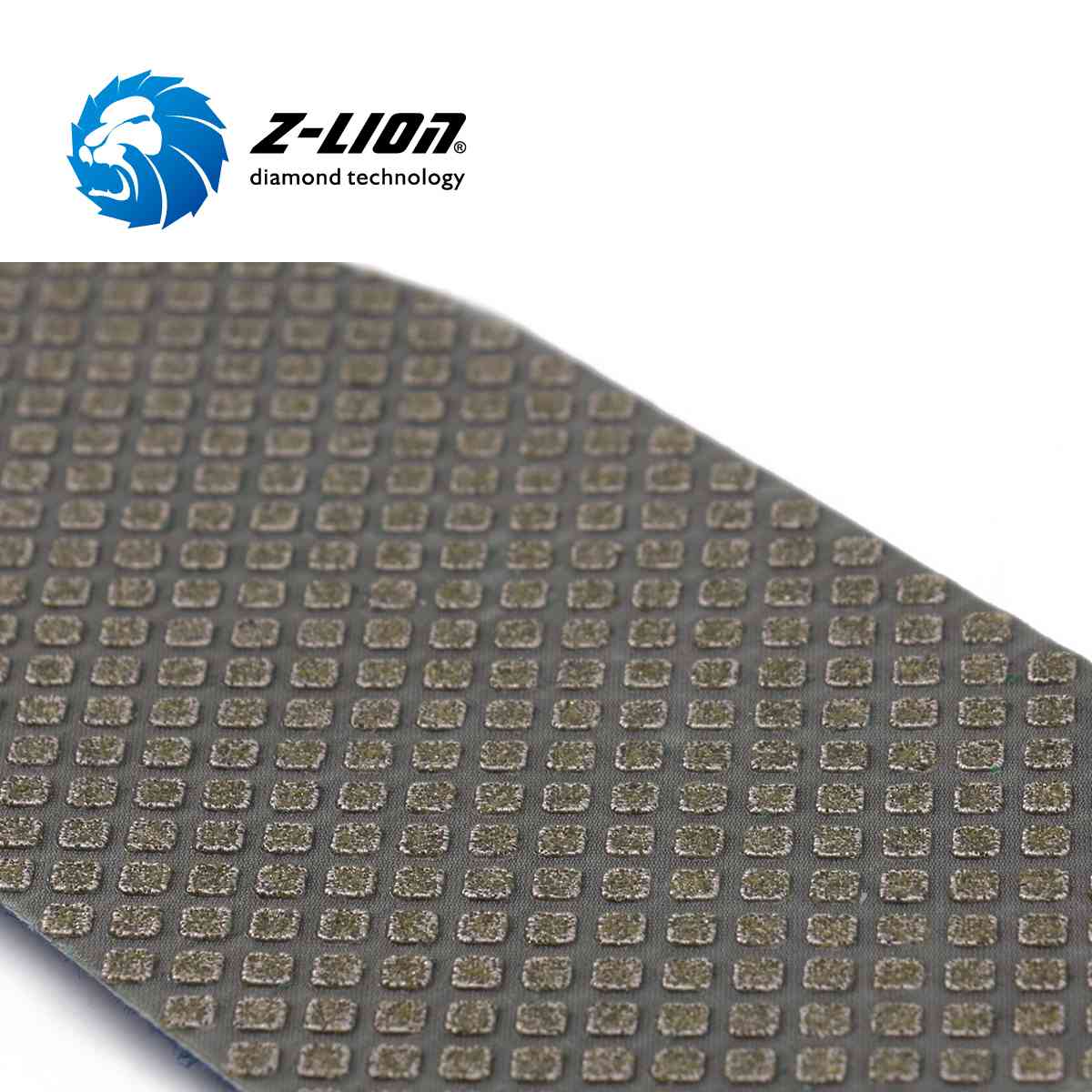


ZL-37HSB Hand Sanding Block For Stone Glass Fiber Ceramic Grinding
ZL-37HSB 120 Grit Hand Sanding Block For Stone Glass Fiber Ceramic Grinding
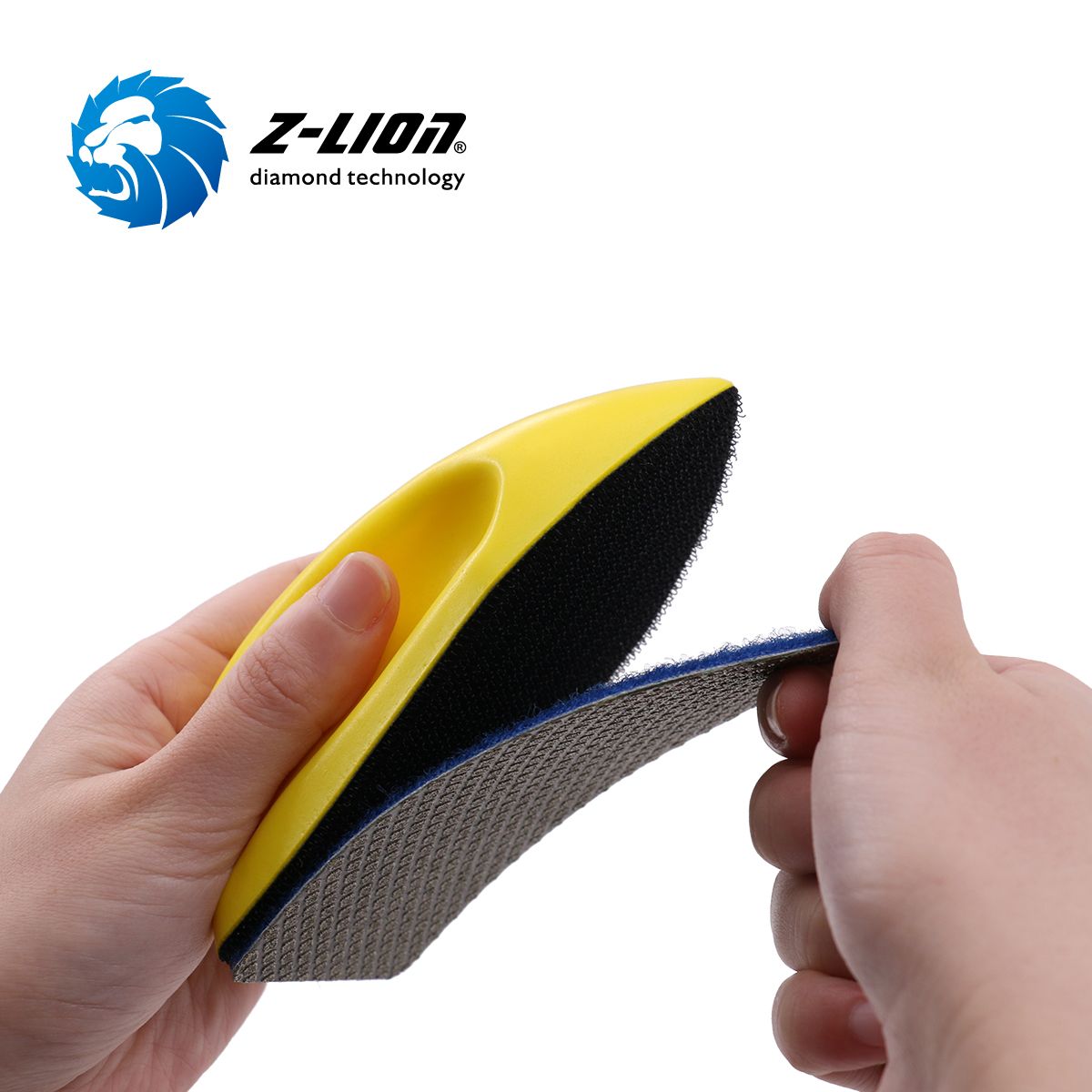
Fast grinding, easy job. Easy hand holding, easy grinding.
ZL-37HSB Hand Sanding Block, mainly used for Stone, hard metal, glass, fiber, ceramics, hard plastics surface and edge grinding and trimming.
Advantage:
1. Selected diamond, aggressive and wear resistant
2. Quick replacement, comfortable hand holding
3. Wear resistant, not easy to be broken
Product code:ZL-37HSB
Specification:120*55*43mm
Grit:60# 120# 200# 400#


Expert Guide: Choosing the Right Hand Sanding Block
Introduction
Welcome to our expert guide on choosing the right hand sanding block. As experienced woodworkers and professionals in the construction, glass making, and plastic refining industries, we understand the importance of having the right tools for the job. A hand sanding block is a vital tool in achieving a smooth and perfect finish that surpasses ordinary sandpaper.
In this guide, we will walk you through the factors to consider when selecting a hand sanding block. With the overwhelming number of options available in the market, it can be challenging to find the perfect sanding block that meets your specific needs. However, by understanding the key features and considerations, you can make an informed decision and ensure the best results for your project.
We will discuss the different base materials and surface grits available, as well as the importance of dual functionality and dust extraction. We will also explore the benefits of sandpaper utilization, the suitability for both dry and wet sanding, and the ergonomic features to look out for in a hand sanding block.
By the end of this guide, you will have a comprehensive understanding of what to look for in a hand sanding block and be able to choose the right one for your specific project. Whether you are a seasoned woodworker or a beginner, our expert advice will help you achieve professional-level results and make your sanding process more efficient and enjoyable. Let's dive in and discover the world of hand sanding blocks together.
Factors to Consider When Choosing a Hand Sanding Block
When it comes to choosing the right hand sanding block, there are several factors to consider. These factors will ensure that you select a sanding block that is not only effective but also efficient for your specific project. Here are some key considerations to keep in mind:
Base Material: The base material of a hand sanding block plays a crucial role in its performance. While wooden and cork blocks are common options, materials like sponges, conundrums, or rubber offer better finishing and grip comfort. Rubber blocks, in particular, are ideal for sanding inconsistent materials or concave and convex shapes, as they can bend and adjust to fit any surface.
Surface Grit: The surface grit of a sanding block determines the coarseness of the abrasive material. It is important to choose a sanding block with the right grit size for your project. Consider purchasing sanding block sets that offer multiple grit sizes, including coarse, medium, fine, and superfine. This will provide you with different options and ensure a smooth finish.
Dual Functionality: Opt for a sanding block that has grits on both sides. This allows you to use either side of the block, increasing its functionality and versatility. By having grits on both sides, you can achieve the required finish without the need for multiple blocks.
Dust Extraction: Sanding can create a lot of dust, which can be both messy and harmful to your health. Look for a sanding block with a dust extractor or suction feature. This will help remove the shavings and dust immediately as they are produced, keeping your work area clean and reducing the need for wearing a mask.
Sandpaper Utilization: Consider a sanding block that efficiently utilizes both expensive and low-cost sandpapers without wastage. While these sanding blocks may be more costly, they will save you money in the long run by minimizing sandpaper waste.
Application: Depending on your project, you may need a sanding block that can be used for both dry and wet sanding. If you frequently engage in both types of sanding operations, choose a sanding block that is efficient in both conditions.
Ergonomics: The size, weight, visual clearance, and grip of a sanding block are important ergonomic features to consider. Choose a sanding block size that suits your needs, whether you require more maneuverability or the ability to sand large areas. Consider the weight of the block to prevent hand fatigue. A skewed back design can provide better visibility while sanding, reducing the likelihood of mistakes. Lastly, ensure that the block has a contoured or padded handle for a firm grip and comfort during sanding.
By considering these factors, you can confidently choose the right-hand sanding block for your project, ensuring a smooth and professional finish.
Section Title: The Importance of Ergonomics in Hand Sanding Blocks
When it comes to choosing the right-hand sanding block, one crucial factor to consider is ergonomics. The design and features of a hand sanding block can greatly impact your comfort, control, and overall efficiency during sanding tasks.
Size plays a significant role in ergonomics. If you are working in a small area or need more maneuverability, opting for a smaller sanding block is ideal. On the other hand, larger sanding blocks provide the advantage of applying more pressure and covering larger areas, saving you time and reducing fatigue.
Weight is another crucial aspect to consider. A sanding block that is too heavy can quickly lead to hand fatigue, while one that is too light may require extra pressure, resulting in the same outcome. It is recommended to select a sanding block that weighs between 2.5 and 5 ounces, as this range ensures a balance between comfort and efficiency.
Visual clearance is often overlooked but can greatly impact the quality of your sanding. Choosing a sanding block with a skewed back allows for better visibility, reducing the likelihood of mistakes and ensuring a more precise finish.
A firm grip is essential for control and comfort while sanding. Look for a sanding block that is contoured on all sides or features a padded handle. These ergonomic features enable a secure grip, reducing hand strain and allowing for extended periods of sanding without discomfort.
By considering these ergonomic factors when choosing a hand sanding block, you can ensure a more enjoyable and efficient sanding experience. Remember, a comfortable and well-designed sanding block can make a significant difference in the quality of your finished work.
Section Title: Get the Perfect Finish with the Right Hand Sanding Block
When it comes to achieving a smooth and flawless finish in your woodworking or construction projects, choosing the right hand sanding block is crucial. With so many options available in the market, it can be overwhelming to find the perfect one for your needs. In this section, we will guide you through the key factors to consider when selecting a hand sanding block, ensuring that you make an informed decision.
Ergonomics for Comfort and Control
One of the most important aspects to consider is the ergonomics of the hand sanding block. The size and weight of the block play a significant role in its functionality. If you need more maneuverability or will be working in a small area, opt for a smaller sanding block. On the other hand, larger sanding blocks provide the advantage of applying more pressure and covering larger areas in less time, reducing fatigue. Additionally, consider the grip of the sanding block. Look for contoured sides or padded handles that provide a firm grip and comfortable sanding experience.
Base Material for Durability and Versatility
The base material of the hand sanding block determines its durability and versatility. While wooden or cork bases are common, materials like sponges, rubber, or artificial compounds offer better finishing and grip comfort. Rubber sanding blocks are particularly useful for sanding inconsistent materials or working on concave and convex shapes, as they can bend and adjust to fit any surface. Look for sanding blocks with clips that securely attach the surface grits to the base, ensuring stability and longevity.
Surface Grit for Optimal Sanding
The surface grit of the hand sanding block is another crucial factor to consider. Different projects require different grit sizes, ranging from coarse to superfine. To save time and effort, consider purchasing sanding block sets that offer multiple grit sizes. This way, you have a variety of options readily available for different sanding requirements. Additionally, for maximum versatility, choose a sanding block with grits on both sides. This allows you to switch between different grit sizes without changing the block, increasing its functionality and resourcefulness.
Dust Extraction for Clean and Healthy Sanding
Sanding can produce a significant amount of dust, which can be both messy and harmful to your health, especially if you're a woodworker. To minimize the dust and keep your workspace clean, look for a hand sanding block with a dust extractor or suction feature. This allows the block to remove the shavings and dust immediately as they are produced, reducing the need for frequent cleanups and the risk of inhaling harmful particles. If you have asthma or respiratory issues, investing in a sanding block with dust extraction properties is highly recommended.
By considering these key factors, you can confidently choose the right hand sanding block for your projects. Remember, the perfect finish starts with the right tools, and a high-quality hand sanding block is an essential tool in any woodworking or construction arsenal.
Section Title: The Importance of Ergonomics in Choosing a Hand Sanding Block
When it comes to choosing a hand sanding block, one important factor to consider is its ergonomics. The ergonomics of a sanding block can greatly affect your overall experience and the quality of your sanding job.
Size is a crucial aspect of ergonomics. If you are working in a small area or need more maneuverability, a smaller sanding block would be the better choice. On the other hand, if you are working on larger surfaces and need to apply more pressure, a larger sanding block would be more suitable. By selecting the right size, you can save time and reduce fatigue.
Weight is another important consideration. A sanding block that is too heavy can quickly lead to hand fatigue, while one that is too light may require you to exert extra pressure, which can also cause fatigue. It is recommended to choose a sanding block that weighs between 2.5 and 5 ounces, as this range provides a good balance between weight and comfort.
Visual clearance is often overlooked but can greatly impact the quality of your sanding. A sanding block with a skewed back allows for better visibility, enabling you to see what you are working on more clearly and reducing the likelihood of making mistakes.
Lastly, the grip of a sanding block plays a crucial role in ergonomics. Look for a sanding block that is contoured on all sides or has a padded handle. These features provide a firm grip and ensure comfort while sanding.
By considering the ergonomics of a hand sanding block, you can enhance your overall sanding experience, improve the quality of your work, and reduce the risk of fatigue or discomfort. Remember to choose the right size, weight, visual clearance, and grip that best suits your needs and preferences.
Section Title: The Benefits of Using a Hand Sanding Block
When it comes to achieving a smooth and flawless finish, using a hand sanding block is essential. This versatile tool offers several advantages that make it a must-have for any woodworking or construction project.
One of the key benefits of using a hand sanding block is the ability to apply constant pressure on the abrasive surface. This steady base ensures consistent sanding, resulting in a more even and professional finish. Unlike sanding by hand, which can lead to uneven pressure and inconsistent results, a sanding block provides stability and control.
Another advantage of using a hand sanding block is the variety of surface grits available. These different grit sizes, ranging from coarse to superfine, allow you to choose the right level of abrasiveness for your project. Whether you're sanding rough surfaces or polishing delicate materials, a sanding block with the appropriate grit will ensure optimal results.
Furthermore, hand sanding blocks offer ergonomic features that enhance comfort and ease of use. The size and weight of the block play a crucial role in maneuverability and fatigue reduction. Smaller blocks are ideal for intricate areas, while larger blocks allow for more pressure and faster sanding.
Additionally, some sanding blocks come with dust extraction properties, which greatly reduce the amount of dust produced during sanding. This not only keeps your workspace cleaner but also improves air quality and reduces the need for wearing a mask.
Lastly, hand sanding blocks are cost-effective tools that can be used with various types of sandpaper. By choosing a sanding block that efficiently utilizes both expensive and low-cost sandpapers, you can save money and minimize wastage.
In conclusion, using a hand sanding block offers numerous benefits, including consistent pressure application, versatile grit options, ergonomic design, dust extraction capabilities, and cost-effectiveness. By investing in a high-quality sanding block, you can achieve professional results and enhance your woodworking or construction projects.
Section Title: The Importance of Ergonomics in Choosing a Hand Sanding Block
When it comes to choosing a hand sanding block, one important factor to consider is the ergonomics of the tool. Ergonomics refers to the design and functionality of a tool that ensures comfort and efficiency during use. A well-designed hand sanding block can make a significant difference in the quality of your sanding work and the overall experience.
Size is an important aspect of ergonomics. If you are working on a small area or need more maneuverability, a smaller hand sanding block would be ideal. On the other hand, if you are working on larger surfaces or need to apply more pressure, a larger hand sanding block would be more suitable. The size of the hand sanding block should be chosen based on the specific needs of your project.
Weight is another crucial factor in ergonomics. A hand sanding block that is too heavy can cause hand fatigue, while one that is too light may require extra pressure and lead to the same result. It is recommended to choose a hand sanding block that weighs between 2.5 and 5 ounces, as this range provides a balance between comfort and effectiveness.
Visual clearance is also an important consideration. A hand sanding block with a skewed back allows for better visibility of the work area, reducing the likelihood of making mistakes and ensuring more precise sanding.
Grip is another ergonomic feature to consider. Look for a hand sanding block that has a contoured grip or a padded handle. These features provide a firm grip and enhance comfort during sanding.
By considering the ergonomics of a hand sanding block, you can ensure a more comfortable and efficient sanding experience, resulting in better quality work. Remember to choose the size, weight, visual clearance, and grip that best suits your specific needs and preferences.

Contact us, you will get more than what you see.
-All diamond tools can be ordered and fabricated!
-Henry Wang | Quote Manager
-WhatsApp:+86-18030177538
-Email: VIP@zliontools.com
-Web www.zliontools.com

-
Online service
-
Official wechat account

-
QQ:844389055
-
E-mail:VIP@zliontools.com
Online Message
Please feel free to give your inquiry in the form below. We will reply you in 24 hours.