Advantages and Disadvantages of Concrete Sandblasting and Grinding
Concrete sandblasting and grinding are two common surface treatment methods used in the construction and renovation industries. Each method has its own advantages and disadvantages and is suitable for different application scenarios. Below, we will explore the advantages and disadvantages of concrete sandblasting and grinding.
Advantages and Disadvantages of Concrete Sandblasting
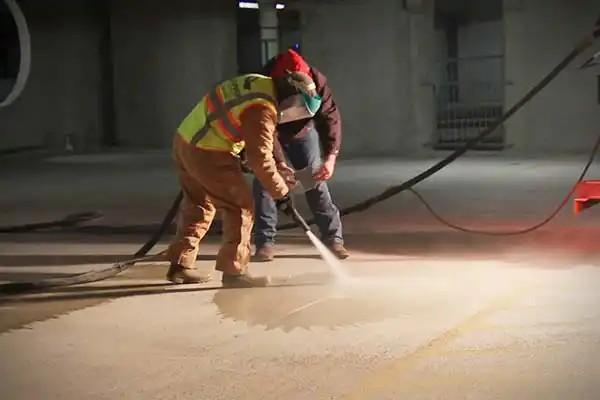
Advantages
1. Efficient surface cleaning:
Concrete sandblasting effectively removes surface dirt, paint, old coatings and other contaminants. High-pressure sandblasting materials can quickly remove unwanted coatings, preparing for new coatings or subsequent treatments.
2. Economical and efficient:
Compared to other surface preparation methods, sandblasting is relatively inexpensive. The materials used (such as sand or other abrasives) are generally inexpensive, and the process can be completed quickly, which reduces labor costs.
3. Minimal damage to the substrate:
When performed correctly, sandblasting causes minimal damage to the underlying concrete surface, making it ideal for detailed work where the integrity of the substrate needs to be maintained.
4. Versatility:
Sandblasting is suitable for a variety of surfaces and materials, making it an ideal choice for different projects. It effectively cleans surfaces and prepares them for painting, sealing or other treatments.
5. Easy to use:
Abrasive blasting is a relatively simple process that requires only minimal operator training. This ease of use can result in quick project turnaround time.
Disadvantages
1. Noise and dust generation:
One of the biggest disadvantages of sandblasting is the noise and dust it produces. The process is noisy and requires operators to wear hearing protection; in addition, the dust produced can be a health hazard if inhaled.
2. Environmental issues:
The large amount of sand and dust generated by sandblasting operations can cause environmental pollution. Without proper dust control measures, the surrounding area may be polluted, affecting air quality and the local ecosystem.
3. Health risks:
Prolonged exposure to dust and abrasive materials poses risks to workers’ health. Respiratory problems and skin irritation are common issues, so personal protective equipment is needed to reduce these risks.
4. Limited precision:
While sandblasting is effective for general cleaning, it may not provide the precision required for fine cleaning. For intricate designs or delicate surfaces, other methods may be more appropriate.
Advantages and Disadvantages of Concrete Grinding
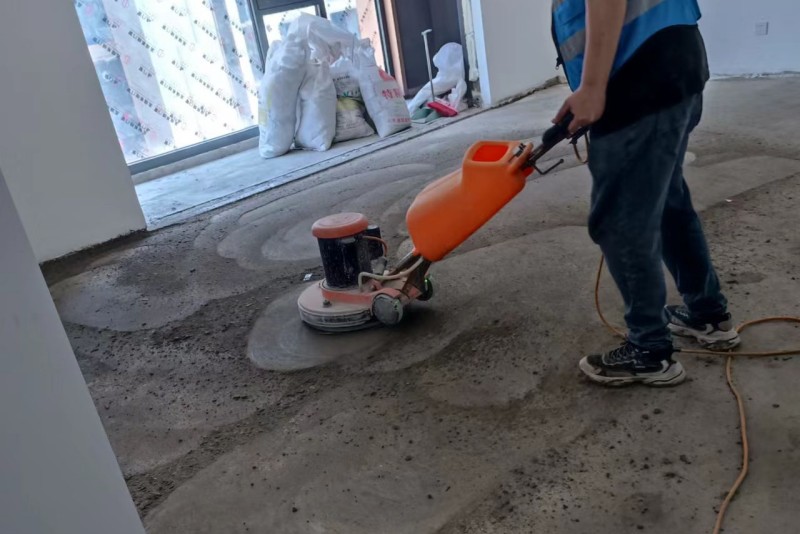
Advantages
1. Enhance surface quality:
One of the main benefits of concrete grinding is the ability to create a smoother, flatter surface. This not only improves the visual appeal of the floor, but also enhances its functionality. A well-ground surface reduces tripping hazards and provides a more comfortable walking experience.
2. Improve aesthetics:
The sanding process can significantly enhance the feel and appearance of a concrete surface. After sanding, the floor typically takes on a shiny appearance, making the space more attractive and professional. This is especially beneficial in commercial environments where first impressions are important.
3. Remove blemishes:
Concrete grinding effectively removes potholes, cracks, and other surface imperfections. Not only does this process improve the overall appearance, it also addresses problems before they become serious, preventing further damage. A smoother surface is less likely to accumulate dirt and debris, making maintenance easier and more convenient.
4. Increase durability:
Grinding helps to densify the concrete surface, making it more resistant to wear and tear. A dense surface is less likely to chip, thus extending the life of the floor and reducing the need for frequent repairs or replacements.
5. Widely used:
Concrete grinding has a wide variety of uses, including preparing surfaces for new coatings, leveling uneven floors, and polishing concrete to a high gloss finish. This versatility makes it a valuable tool for both residential and commercial projects.
Disadvantages
1. Higher costs:
Compared to other surface preparation methods such as sandblasting, concrete grinding can be more expensive. The initial investment in specialized grinding equipment, combined with the cost of skilled labor, can add up quickly. For projects with limited budgets, this higher cost can be a significant consideration.
2. Time-consuming process:
Concrete grinding can be a time-consuming process, especially for larger areas or heavily damaged surfaces. Requiring multiple grinding passes to achieve the desired result can extend the project timeline and may not be ideal for clients looking for a quick solution.
3. Required professional equipment and skills:
Effective concrete grinding requires specialized tools and equipment, such as a diamond grinder. In addition, the operator must have the necessary skills and experience to ensure high-quality results. Improper use of equipment can result in a poor finish or even damage to the concrete surface.
4. Dust generation:
As with many construction processes, concrete grinding generates dust that can pose a health risk when inhaled. While modern grinders are often equipped with dust extraction systems, some dust is still generated. Proper safety measures, including the use of personal protective equipment, are essential to reduce these risks.
5. Possibility of surface damage:
If not done correctly, concrete grinding can result in surface damage, such as gouges or unevenness. This risk highlights the importance of hiring a skilled professional who understands the nuances of the grinding process and can achieve the desired results without compromising the integrity of the concrete.
Choosing the Right Method: Concrete Sandblasting vs. Grinding
Make the right choice
When deciding whether to sandblast or grind concrete, consider the following factors:
Purpose of coating preparation: If your goal is just to clean the surface and repair defects without applying a new coating, then sandblasting may be a better choice. However, if you need a smooth surface for painting or other finishing, grinding is the best choice.
Conditions of use: Consider the environment in which the concrete will be used. For high-traffic areas or spaces where aesthetics are important, grinding can provide the necessary surface finish.
Expected results: Be clear about the effect you want to achieve. If a rough texture is acceptable, sandblasting will be a good choice. If you want a polished effect, sanding is essential.
Budget: Assess your budget constraints. For simple cleaning tasks, sandblasting may be more cost-effective, while grinding may require a larger investment but provide better long-term results.
People skills: Assess the skill level of your team. Both approaches require well-trained people, but the specific skills required may differ. Make sure your team can handle the chosen approach effectively.
In Conclusion
Concrete sandblasting and concrete grinding each have their own advantages and disadvantages and are suitable for different applications. Sandblasting is efficient and cost-effective for cleaning surfaces, but there are concerns about noise, dust, and environmental impact. On the other hand, concrete grinding produces a smooth surface and is versatile, but it is more expensive and requires more skills. Ultimately, which method you choose depends on the specific needs of your project, budget constraints, and desired results.
-
Online service
-
Official wechat account

-
QQ:844389055
-
E-mail:VIP@zliontools.com
Online Message
Please feel free to give your inquiry in the form below. We will reply you in 24 hours.