Is Diamond Sandpaper Durable? Things to Know Before Use
Durability is a key factor in choosing the right abrasive when sanding and finishing surfaces. Diamond sandpaper is popular across a wide range of industries due to its superior hardness and durability. This article will explore the durability of diamond sandpaper, its benefits, and basic tips for effective use.
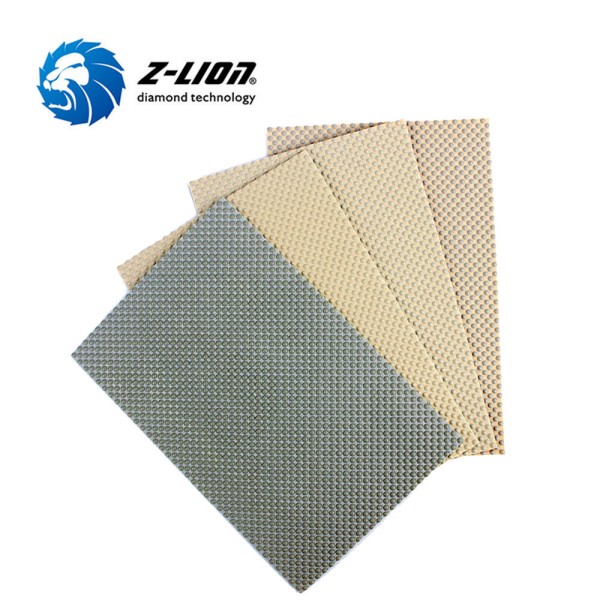
Durability of Diamond Sandpaper
Diamond sandpaper is known for its durability, mainly due to the following features:
High hardness: Diamond is the hardest substance known, which means that diamond sandpaper can withstand severe wear. This hardness enables it to maintain good grinding performance for a long time, suitable for heavy and delicate finishing tasks.
Uniform abrasive: Diamond particles are evenly distributed on the sandpaper, ensuring consistent performance. The abrasive quality of traditional sandpaper may degrade unevenly, while diamond sandpaper can provide a reliable sanding experience throughout its service life.
Wear resistant: Diamond sandpaper can effectively resist wear even under severe use. This wear resistance means longer service life, allowing users to complete multiple projects without frequent replacement.
Long life of sandpaper: Diamond sandpaper is durable and can be reused many times. This not only saves costs in the long run, but also reduces waste, making it an environmentally friendly choice.
How to Use Diamond Sandpaper Effectively?
To maximize the effectiveness of diamond sandpaper, it is important to follow the correct usage guidelines. Here are some key steps to ensure effective sanding:
Check before use: Before starting work, always check the surface of the diamond sandpaper for any signs of damage or peeling. If you find any problems, replace it with a new one to ensure optimal performance.
Wet the sandpaper and the surface: To prevent overheating and excessive dust, spray water on the sandpaper and grinding surface. This will not only help keep the sandpaper cool, but it will also minimize dust accumulation, creating a cleaner working environment.
Keep the surface flat: When using diamond sandpaper, be sure to lay it flat against the surface to be treated. Avoid excessive pressure, which can damage the sandpaper and the surface. Gentle, even pressure is best.
Gradually improve your perseverance level: When sanding, it is recommended to start with coarse sandpaper and then gradually move on to finer sandpaper. This gradual approach will help you achieve a smooth surface without causing damage. Use each grade of sandpaper until the desired smoothness is achieved before moving on to the next grade.
Important Notes When Using Diamond Sandpaper
1. Safety precautions
Always be careful when using diamond sandpaper. The sanding process produces fine abrasive particles that may cause harm if inhaled or come into contact with the eyes. Here are some self-protection measures:
Wear a respirator: Fine dust particles can irritate the respiratory system. A respirator helps filter harmful particles, ensuring you are breathing clean air while you work.
Wear goggles: Wear safety goggles to protect your eyes from dust and debris. This prevents flying particles from irritating your eyes and prevents potential injury.
2. Choose the right grit grade
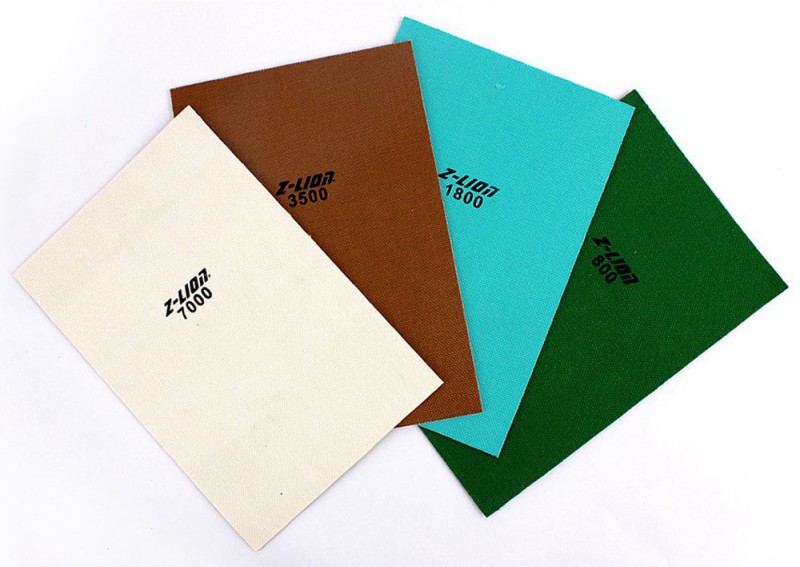
Choosing the right grit sandpaper is essential to achieve the desired polishing effect on different materials. The grit sandpaper determines the coarseness of the sandpaper and affects the polishing process:
Coarse grit (e.g. 60-120): Great for removing heavy material and shaping surfaces.
Medium grit (e.g. 150-220): Suitable for smoothing surfaces and preparing for finishing.
Fine grit (e.g. 240 and above): Best for final finishing and achieving a smooth, polished surface.
Always match the grit grade to the material you are using to ensure the best results and avoid damage.
3. Clean the sandpaper surface
Keeping the surface of the diamond paper clean during the grinding process is very important to maintain its effectiveness:
Frequent cleaning: Check the sandpaper regularly for dust and debris buildup. Use a soft brush or cloth to remove particles that may clog the sandpaper surface.
Avoid overheating: Cleaning your sandpaper not only helps maintain its performance, but it also prevents overheating, which can damage both the sandpaper and the material being worked on.
4. Inspection after grinding
After completing the grinding process, the surface must be carefully inspected to ensure the desired effect has been achieved:
Check for consistency: Check that the surface finish is even. Any uneven areas may require additional sanding or repair using a different grade of sandpaper.
Avoid over-sanding: Be careful not to over-sand as this may cause unnecessary damage or thin the surface. If the finish is not as you would like, consider adjusting your sanding technique or grit selection for future use.
In Conclusion
Diamond sandpaper is ideal for sanding and finishing due to its high hardness, uniform abrasiveness and wear resistance. Following the recommended usage guidelines, users can maximize the life and effectiveness of diamond sandpaper, making it a powerful tool in any workshop. Whether you are a professional craftsman or a DIY enthusiast, investing in diamond sandpaper can bring excellent results and a more efficient workflow.
-
Online service
-
Official wechat account

-
QQ:844389055
-
E-mail:VIP@zliontools.com
Online Message
Please feel free to give your inquiry in the form below. We will reply you in 24 hours.