Polishing Techniques for Tarnished Stone
Stone is a popular building material, appreciated for its durability, resistance to wear, and beauty. However, over time and with frequent use, stone surfaces can lose their luster, becoming dull and unattractive. Fortunately, professional polishing techniques can restore stone to its original beauty. This article explores the reasons why stone loses its luster and outlines effective polishing techniques to make it look like new again.
Research on the Causes of Stone Gloss Loss
Understanding the causes of tarnish is essential to effective restoration. The main causes include:
Wear: The surface of stone is often subjected to friction from foot traffic, furniture and vehicles. This constant wear and tear will gradually thin the surface layer, lose its luster, and make it appear dull.
Stain and dirt accumulation: Over time, various stains, including dust, oil, and food residue, accumulate on the surface of stone. If not cleaned regularly, these stains can penetrate into the stone, causing it to fade and lose its luster.
Chemical reaction: Certain chemicals, such as acidic or harsh cleaners, will react with the surface of the stone, causing discoloration or corrosion. This can seriously affect the gloss of the stone.
Improper maintenance: Regular maintenance, including cleaning and waxing, is essential to maintaining the appearance of the stone. Neglecting these maintenance will cause the stone surface to become damaged and gradually lose its luster.
Detailed Steps of Stone Polishing Process
Polishing is an effective way to restore the gloss of stone surfaces that have lost their luster due to wear, stains, chemical reactions or improper maintenance.
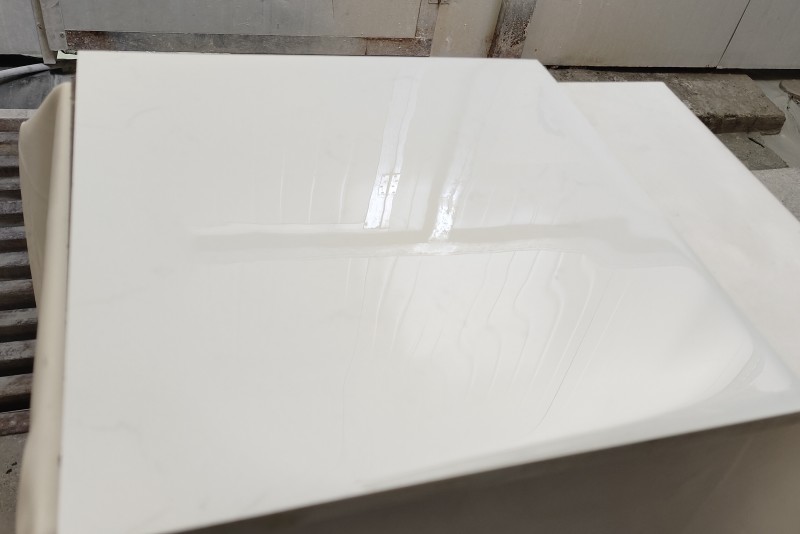
Step 1: Clean the stone surface thoroughly
Before you begin polishing, make sure the stone surface is thoroughly clean. This step is crucial to achieve the best polishing results. Here's how to do it:
Choose the right cleaner: Use a professional stone cleaner or a neutral cleaner that is safe for polished stone. Avoid using acidic or abrasive cleaners as they will further damage the stone.
Use cleaner: Dilute the cleaner according to the manufacturer's instructions and apply it to the stone surface.
Scrub the surface: Use a soft brush or floor brush to gently scrub the surface to remove dust, oil and other stains. Pay special attention to nooks and crannies where dirt tends to accumulate.
Rinse thoroughly: After scrubbing, rinse the stone surface thoroughly with clean water to remove any residue from the cleaner.
Dry the surface: Wipe the surface dry with an absorbent cloth, making sure the surface is completely clean and dust-free. This preparation is essential for the subsequent polishing steps.
Step 2: Comprehensive inspection of the stone
After the stone surface is cleaned, it needs to be thoroughly inspected to assess its condition. This step helps determine the appropriate polishing techniques and materials. The inspection method is as follows:
Inspect for wear: Look for signs of wear such as scratches, dark spots, or surface unevenness. Pay attention to the areas that need the most attention.
Identify stains: Inspect the surface for stains and note their type (e.g., oil, water, or chemical) and distribution. This information will help you choose cleaning and polishing products.
Evaluate surface texture: Evaluate the overall texture of the stone. Determine if it is smooth, rough, or if there are any irregularities that need to be addressed during the polishing process.
Record findings: Record your observations as this will help in planning the polishing process and selecting the correct tools and materials.
Step 3: Choose the right polishing material and tools
The first step in the polishing process is to choose the right materials and tools. This is crucial to achieve the desired results. The specific steps are as follows:
1. Assess the type and condition of the stone: Determine the type of stone and its current condition, including any imperfections such as scratches, chips, or dullness.
2. Select polishing material:
Diamond grinding wheel: Ideal for coarse grinding and removing significant surface defects.
Resin grinding wheel: Suitable for medium grinding to obtain a smoother surface.
Polishing powder: Used in the final polishing stage to enhance the shine.
3. Prepare auxiliary tools: Prepare necessary tools such as polishing machine, polishing pad and absorbent cloth. Make sure the polishing machine is in good working condition and suitable for the type of stone being polished.
Step 4: Coarse grinding
Rough grinding is the first step in the polishing process and is designed to remove major surface defects. Please follow these steps:
1. Install the equipment: Install the diamond grinding disc or resin grinding disc on the polishing machine. Adjust the speed and pressure according to the stone type.
2. Perform rough grinding:
Start sanding the surface of the stone, applying even pressure. Move the machine in a circular motion or back and forth to cover the entire area.
Monitor the pressure carefully; excessive pressure may damage the gemstone.
3. Rinse and dry: Once rough grinding is complete, rinse the stone thoroughly with clean water to remove dust and debris. Wipe the surface dry with an absorbent cloth to prepare for the next step.
Step 3: Medium grind
After the rough sanding, you will need to proceed to the medium sanding to further refine the surface. This step will help to remove any remaining imperfections.
1. Select the medium grinding material: Choose the appropriate medium grinding disc according to the type of stone and the rough grinding effect.
2. Adjust equipment settings: Set the polisher to medium speed and pressure for a medium grind.
3. Perform medium grinding:
Sand the stone surface evenly, ensuring consistent pressure across the entire area.
This step should further reduce any visible scratches and prepare the surface for fine grinding.
4. Rinse and dry again: After medium grinding, rinse the stone thoroughly with clean water and wipe dry with an absorbent cloth.
Step 5: Fine Grinding
Fine grinding is a key step that directly affects the glossiness of the stone surface. It can enhance the smoothness of the stone and prepare it for polishing.
1. Choose grinding material: Choose a grinding disc suitable for the stone type and desired effect.
2. Control speed and pressure: Set the polisher to a lower speed and apply slight pressure to avoid damaging the stone.
3. Perform fine grinding:
Carefully sand the surface of the stone to ensure even coverage and consistent pressure.
This step should significantly improve the surface texture and prepare it for final polishing.
4. Final rinse and dry: After fine grinding, rinse the stone thoroughly with clean water and dry it completely with an absorbent cloth.
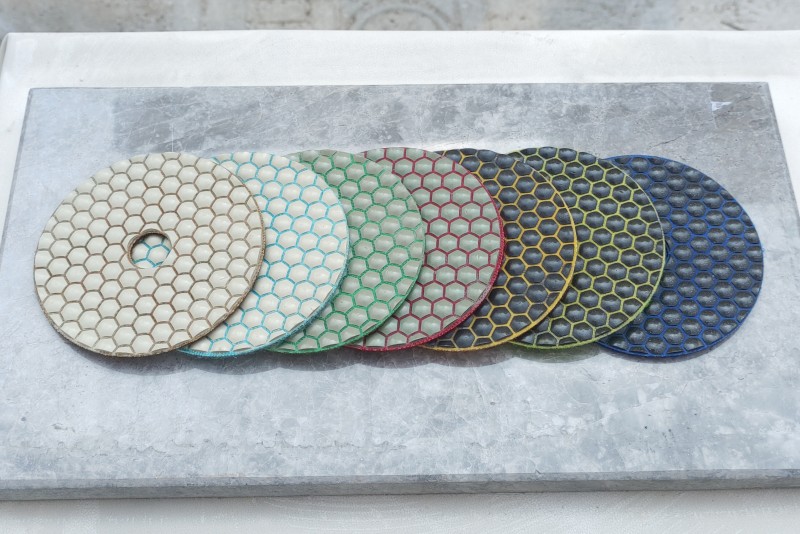
Step 6: Polishing
Polishing is the next step after fine grinding. This step is crucial to achieving the desired shine.
1. Apply polishing powder or polishing liquid: Apply polishing powder or polishing liquid evenly on the surface of the stone.
2. Polished surface:
Use a polishing machine with a soft pad to apply the polishing paste to the stone surface. Maintain a constant speed and moderate pressure to ensure an even polish.
Work in small sections to ensure full coverage and best results.
3. Final cleaning: After polishing, rinse the stone thoroughly with clean water to remove any polish residue. Wipe the surface dry with an absorbent cloth.
Step 7: Maintenance
After the polishing process is successfully completed, it is necessary to pay attention to the maintenance of the stone. This step is to enhance the wear resistance and stain resistance of the stone to extend its service life.
Select a maintenance method: Various maintenance methods can be used, including:
Waxing: Applying a high-quality wax can provide a protective layer and enhance shine.
Apply protectant: Use a sealer or protective coating appropriate to the stone type to prevent stains and damage.
Establish a regular maintenance routine: Regular cleaning and maintenance will help preserve the appearance of your stone and extend its life. This includes using pH-neutral cleaners and avoiding harsh chemicals.
Step 7: Maintenance
After the polishing process is successfully completed, it is necessary to pay attention to the maintenance of the stone. This step is to enhance the wear resistance and stain resistance of the stone to extend its service life.
1. Select a maintenance method: Various maintenance methods can be used, including:
Waxing: Applying a high-quality wax can provide a protective layer and enhance shine.
Apply protectant: Use a sealer or protective coating appropriate to the stone type to prevent stains and damage.
2. Establish a regular maintenance routine: Regular cleaning and maintenance will help preserve the appearance of your stone and extend its life. This includes using pH-neutral cleaners and avoiding harsh chemicals.
In Conclusion
Restoring the shine of stone surfaces is easy with the right techniques and tools. By understanding the causes of shine loss and using effective polishing methods, homeowners and professionals can restore the look of stone surfaces to new, enhancing their beauty and longevity. Regular maintenance is key to maintaining the appearance of stone, ensuring it looks stunning in any space for years to come.
-
Online service
-
Official wechat account

-
QQ:844389055
-
E-mail:VIP@zliontools.com
Online Message
Please feel free to give your inquiry in the form below. We will reply you in 24 hours.