Diamond Sanding Belts: The Ultimate Guide
Diamond Sanding Belts: The Ultimate Guide
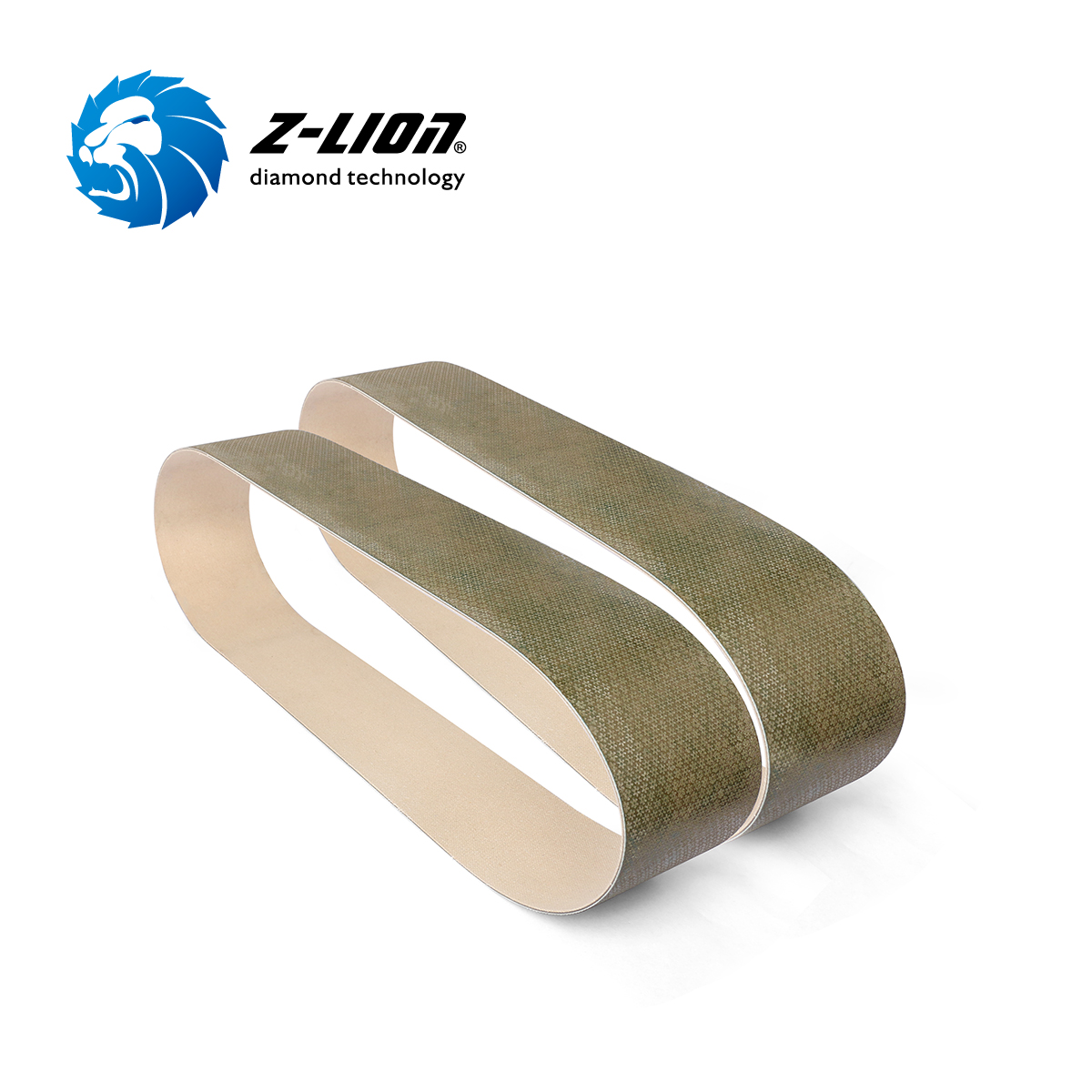
Introduction
Welcome to the ultimate guide on diamond sanding belts! If you're in search of a high-performance tool for grinding, polishing, and shaping hard materials, then diamond sanding belts are the answer. These belts are a game-changer in various industries, including aerospace, ceramics, glass, paper, and stone.
Diamond sanding belts offer a terrific alternative to conventional sandpaper belts. They are known for their exceptional efficiency, high-quality processing surface, and adaptability. With diamond particles securely bonded to a flexible base, these belts provide a consistent and reliable abrasive surface.
In this comprehensive guide, we will explore the various aspects of diamond sanding belts. We'll delve into their applications, types, characteristics, and performance analysis. Additionally, we'll provide insights into related products that complement the use of diamond sanding belts.
To ensure you have a well-rounded understanding, we'll also include customer reviews and testimonials. These firsthand experiences will give you valuable insights into the effectiveness and benefits of diamond sanding belts.
Whether you're a professional in the lapidary industry or a DIY enthusiast, this guide will equip you with the knowledge you need to make informed decisions and achieve outstanding results. So, let's dive into the world of diamond sanding belts and discover how they can revolutionize your grinding and polishing applications.
What are Diamond Sanding Belts?
Diamond sanding belts are a type of coated abrasive tool that is used for grinding, sanding, and polishing a variety of hard and brittle materials such as steel, stone, glass, ceramics, and more. These belts are made by bonding synthetic diamond abrasive particles to a flexible base using a special bond.
Diamond sanding belts offer several advantages over traditional sandpaper belts. They are known for their high efficiency and ability to provide a high-quality processing surface. These belts are adaptable and can be used for both dry and wet grinding applications. They are also simple to operate and offer a safe and reliable solution for abrasive grinding tasks.
There are two main types of diamond sanding belts: electroplated and resin bond. Electroplated diamond belts are created by bonding diamond particles to a coated pattern using nickel plating. This results in a sharp abrasive layer with strong grinding force. On the other hand, resin bond diamond belts are available in flexible and hard types. The flexible resin bond is suitable for wet grinding, while the hard resin bond is better for dry grinding.
Diamond sanding belts are widely used in various industries such as aerospace, ceramics, glass, paper, and stone. They are favored by professionals and beginners alike due to their ability to cut faster and last longer than other abrasive materials. These belts provide consistent finishes, increase productivity, and reduce downtime, making them a cost-effective choice for abrasive grinding and polishing tasks.
In conclusion, diamond sanding belts are a valuable tool for achieving precise and efficient grinding, sanding, and polishing results on hard and brittle materials. Their versatility, durability, and performance make them a popular choice among professionals in various industries.
Applications of Diamond Sanding Belts
Diamond sanding belts are versatile tools that find applications in various industries. Their high efficiency and quality processing surface make them ideal for a wide range of grinding and polishing tasks. Here are some of the key applications where diamond sanding belts excel:
Aerospace Industry: Diamond sanding belts are extensively used in the aerospace industry for grinding and polishing metals, such as steel and titanium alloys. They provide precise and consistent finishes, ensuring the highest quality standards for aerospace components.
Ceramics Industry: In the ceramics industry, diamond sanding belts are used for shaping and polishing ceramic materials. They are particularly effective in grinding hard and brittle materials like monocrystalline silicon and zirconia.
Glass Industry: Diamond sanding belts are essential in the glass industry for shaping and finishing glass products. They can effectively remove sharp edges and provide a smooth and polished surface.
Paper Industry: Diamond sanding belts are used in the paper industry for grinding and polishing paper rolls. They help improve the surface quality of the rolls, leading to better printing results and reduced downtime.
Stone Industry: Diamond sanding belts are widely used in the stone industry for shaping and polishing natural and engineered stone surfaces. They can remove imperfections and create a smooth and glossy finish.
Other Industries: Diamond sanding belts also find applications in industries such as electronics, automotive, and jewelry. They are used for grinding and polishing various materials, including ceramics, metals, and synthetic materials.
With their adaptability, simple operation, and reliable performance, diamond sanding belts offer a cost-effective solution for achieving consistent finishes and reducing downtime. Whether it's in the aerospace, ceramics, glass, paper, or stone industry, these belts are a valuable tool for increasing productivity and maintaining high-quality standards.
Types of Diamond Sanding Belts
When it comes to diamond sanding belts, there are various types available to suit different needs and applications. Understanding the different types can help you choose the right belt for your specific requirements. Here are some common types of diamond sanding belts:
Metal Nickel Plating Electroplated Bond: These diamond sanding belts have diamond particles bonded to the coated pattern through nickel plating. They offer a sharp abrasive layer with strong grinding force. They can be used for both dry and wet grinding, making them versatile for various applications.
Resin Bond: Resin bond diamond sanding belts are available in flexible and hard types. The flexible resin bond is ideal for wet grinding, as it can better fit the surface of the workpiece and provide better polishing performance. On the other hand, the hard resin bond offers improved wear resistance and temperature resistance, making it suitable for dry grinding. It is commonly used for water-proof and oil-proof products.
Backing Base: The backing base of diamond sanding belts plays a crucial role in their performance. The thickness, softness, temperature resistance, and ease of removal are important characteristics to consider when selecting the backing base. The choice of backing base depends on the material being ground.
By understanding the different types of diamond sanding belts available, you can make an informed decision based on your specific grinding needs. Whether you require sharpness, durability, flexibility, or a specific grinding force, there is a diamond sanding belt suitable for your application. Remember to choose the right bond, pattern, and backing base to achieve the desired results.
Characteristics and Performance Analysis
When it comes to diamond sanding belts, their characteristics and performance play a crucial role in determining their effectiveness and suitability for various applications. Let's delve into the key factors that make these belts stand out.
Bonded Type and Characteristics Analysis
Diamond sanding belts are available in two main types of bonds: electroplated and resin. Electroplated diamond belts are created by bonding diamond particles to a coated pattern through nickel plating. These belts offer superior grinding force and can be used for both dry and wet grinding, making them highly versatile.
On the other hand, resin bond diamond belts come in flexible and hard variations. The flexible resin bond is ideal for wet grinding, as it provides better polishing performance and can fit the surface of the workpiece more effectively. However, it wears faster and has lower temperature resistance, limiting its application in certain conditions. The hard resin bond, on the other hand, offers improved wear resistance and temperature resistance, making it suitable for dry grinding and the processing of water-proof and oil-proof products.
Performance of Electroplated and Resin Diamond Sanding Abrasive Belt
In terms of performance, electroplated diamond belts have superior grinding force compared to resin bonds. They can be used for rough to finish polishing and are suitable for both dry and wet grinding. Resin bond belts, on the other hand, offer a relatively slower and stable grinding speed, resulting in better polishing effects. Flexible resin bonds outperform hard resin bonds in terms of grinding force, while hard resin bonds excel in wear resistance and temperature resistance.
Understanding the characteristics and performance of diamond sanding belts is essential for selecting the right belt for specific applications. Whether you need to grind steel, stone, glass, ceramics, or other hard brittle materials, choosing the appropriate bond and understanding its performance will ensure efficient and high-quality processing.
Remember, the choice of backing base and pattern design also plays a crucial role in achieving the desired results. So, consider the material being ground and select the appropriate backing base and pattern accordingly.
By harnessing the power of diamond sanding belts with the right characteristics, you can enhance productivity, reduce downtime, and achieve consistent finishes while lowering overall abrasive costs.
Related Products
When it comes to diamond sanding belts, there are a variety of related products that can enhance your sanding and polishing experience. Whether you are a professional lapidary or a DIY enthusiast, these products can help you achieve the best results possible.
Diamond Flap Wheel: This versatile tool is perfect for shaping and smoothing surfaces. With its abrasive diamond coating, it provides excellent cutting and polishing performance. The flap design allows for easy contouring and reaching tight spaces, making it ideal for intricate projects.
Diamond Sanding Paper: If you prefer a more manual approach to sanding, diamond sanding paper is a great option. It offers high-quality processing surfaces and is adaptable to various materials. Whether you are working on glass, ceramics, or metal, diamond sanding paper provides efficient and precise sanding results.
Diamond Hand Polishing Pad: For those finishing touches and delicate polishing, a diamond hand polishing pad is a must-have. With its flexible and durable design, it allows for easy control and precision. Perfect for achieving a smooth and glossy surface on gemstones, glass, and ceramics.
These related products complement diamond sanding belts and provide additional options for different sanding and polishing needs. Whether you need to shape, smooth, or polish, these tools will help you achieve professional results. Remember to choose the right product based on your specific requirements and the material you are working with.
Don't just take our word for it, here are some customer reviews:
"I recently purchased diamond belts for my lapidary machine, and I am amazed at their quality and performance. They outperform any other belts I have used, and the customer service from Covington Engineering is exceptional." - Satisfied Customer
"The diamond belts cut faster and last longer than silica carbide. They have significantly increased my productivity as a professional. Highly recommended!" - Experienced User
"Using the diamond sanding belt on my sander has been a game-changer for my stained glass work. It has allowed me to fine-tune the dimensions of my projects with precision. I haven't used my grinder since I got the diamond belt!" - Happy Customer
Invest in these related products and take your sanding and polishing projects to the next level. With their superior performance and durability, you can achieve professional results with ease.
Customer Reviews and Testimonials
Hearing from satisfied customers is always a great way to gauge the effectiveness and quality of a product. Here are some reviews and testimonials from customers who have used diamond sanding belts:
"I recently purchased 4 3" by 8" diamond belts for my lapidary machine, and I couldn't be happier with my purchase. These belts are far more substantial than any of the 'cheap' belts I've used before. While I haven't had the chance to test them in my shop due to the winter weather, I can already tell by their appearance that they will outperform any other belts I've used. The team at Covington Engineering has also been incredibly helpful with their advice. I think I've found my go-to source for diamond belts." - Anonymous
"The diamond belts I purchased have been a game-changer for my work. They cut faster and last longer than silica carbide belts, making me much more productive as a professional. However, I would advise beginners to use caution as these belts remove material at a faster rate. Overall, I highly recommend diamond belts for anyone looking to enhance their productivity and achieve consistent, high-quality finishes." - John D.
"As a stained glass artist, I rely heavily on my sander for precision work. The diamond belts have been a big time-saver for me. I'm currently working on numerous prairie-style lamp shades and lanterns, which require lots of small, slender strips. The sander has allowed me to fine-tune the dimensions and achieve the results I want. Since receiving the sander, I haven't even needed to use my grinder. I'm especially excited to try out my new 100-grit diamond belt. It's a great addition to my toolkit." - Sarah M.
These reviews highlight the superior performance and durability of diamond sanding belts. Whether you're a professional lapidary worker or a stained glass artist, these belts offer the efficiency and quality needed to achieve outstanding results.

Contact us, you will get more than what you see.
-All diamond tools can be ordered and fabricated!
-Henry Wang | Quote Manager
-WhatsApp:+86-18030177538
-Email: VIP@zliontools.com
-Web www.zliontools.com

Hot Tags: Diamond Sanding Belts,diamond grinding belts,diamond abrasive belts,diamond polishing belts,diamond sanding belt,sanding belts for stone
-
Online service
-
Official wechat account

-
QQ:844389055
-
E-mail:VIP@zliontools.com
Online Message
Please feel free to give your inquiry in the form below. We will reply you in 24 hours.