How to Extend the Life of Diamond Saw Blades?
Reasons Why Diamond Saw Blades Are Expensive
Diamond saw blades are essential tools for a wide range of industries, especially in the fields of construction, stone processing, and metal processing. Known for their superior hardness and strength, these saw blades are capable of cutting through some of the hardest materials, including concrete, granite, and ceramics. However, the high price of diamond saw blades often causes concern among users. Understanding the reasons behind their pricing can help clarify the value of these tools.
1. The scarcity and value of diamonds
The main reason for the high cost of diamond saw blades is the use of diamonds themselves. Diamonds are the hardest known natural material and are well suited for cutting applications. However, mining and processing diamonds is labor-intensive and expensive.
Natural scarcity: Natural diamonds are relatively scarce, and mining them incurs huge environmental and economic costs. The limited supply of high-quality diamonds directly affects the price of diamond saw blades.
Synthetic diamonds: While synthetic diamonds are becoming more common and cheaper to produce, high-quality synthetic diamonds that meet the stringent standards required for industrial applications still require significant investment.
2. The blade structure is made of high-quality materials
In addition to the diamond, the material the saw blade base is made of will also affect the overall cost. High-quality materials are essential to ensure the durability and performance of the saw blade.
Metal matrix: The metal matrix that holds the diamond tip must be strong and resilient. Commonly used materials include high-grade steels and special alloys that can withstand the stress of cutting while providing a strong bond for the diamond.
Manufacturing process: The production of diamond saw blades involves advanced manufacturing techniques such as sintering and laser welding. These processes require precision and expertise, further increasing the cost of the final product.
3. Performance and lifespan
Diamond saw blades are designed with a focus on high performance and long life, which justifies their higher price.
Cutting efficiency: Diamond's unique properties enable it to cut faster and cleaner than traditional blades. This efficiency reduces labor costs and increases productivity, making the initial investment worthwhile.
Durability: Diamond saw blades generally last longer than traditional saw blades, which means they need to be replaced less frequently. While the upfront cost is higher, the long-term savings on replacement costs can offset the initial investment.
4. Specialized applications
Many diamond saw blades are designed for specific applications, which also affects their cost.
Custom design: Blades designed for special tasks, such as cutting reinforced concrete or a specific type of stone, often require unique configurations and diamond positions. This customization may increase production costs.
R&D: Manufacturers invest in R&D to create blades that meet the changing needs of a variety of industries. This investment in innovation increases the overall cost of the blade.
5. Market demand and competition
The demand for diamond saw blades in various industries will also affect pricing.
High demand: As the construction and manufacturing industries grow, so does the need for high-quality cutting tools. This demand drives up prices, especially for those blades that are in high demand.
Competition: While competition between manufacturers can sometimes lead to lower prices, the specialised nature of diamond saw blades means that many companies focus on quality and performance rather than competing solely on price.
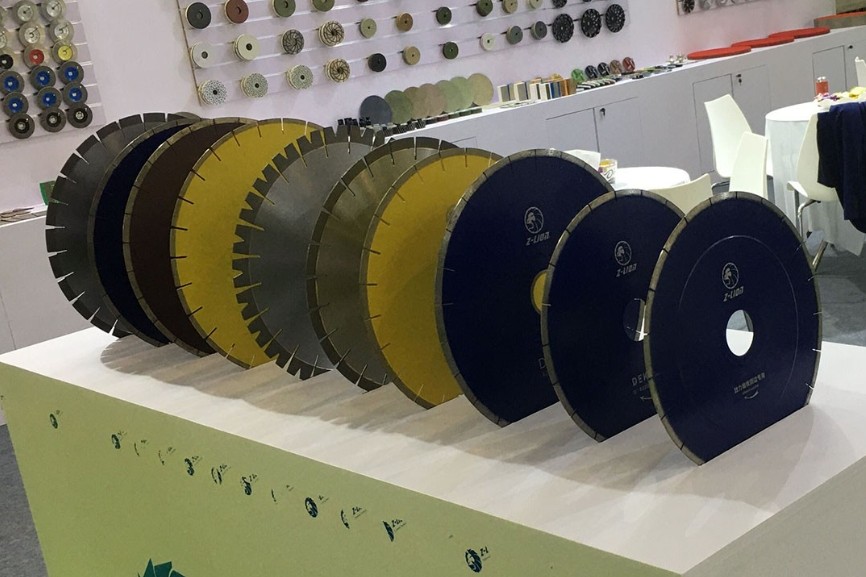
Care and Maintenance of Diamond Saw Blades
1. Regular inspection
Regular inspection of diamond saw blades is essential to detect potential problems before they become serious. Although these saw blades are designed with durability in mind, they can still become damaged due to wear and tear.
Check for damage: Regularly inspect the blades for cracks, breaks or excessive wear. Watch for any signs of chipping or missing pieces as these can seriously affect cutting performance and safety.
Monitor performance: Keep an eye on the performance of your blade during use. If you notice a decrease in cutting efficiency or increased vibration, this may indicate that the blade needs to be inspected more closely.
By checking regularly, you can extend the life of your diamond saw blade and ensure it is running at peak performance.
2. Correct Usage
Proper use of diamond saw blades is essential to prevent damage and maximize their life. Following the manufacturer's instructions is essential to achieve the best results.
Avoid excessive force: Exerting excessive force while cutting can cause the blade to overheat and wear prematurely. Allow the blade to fully function and maintain a steady, controlled cutting speed.
Select the right saw blade for your material: Make sure you use a diamond saw blade that is appropriate for the material you are cutting. Different materials require different saw blade designs and specifications to achieve the best results.
Follow operating instructions: Always follow the operating instructions provided by the manufacturer. This includes recommendations on cutting speeds, feed rates, and the type of equipment used.
3. Clean in time
Keeping your diamond saw blade clean is essential to maintaining its cutting performance. Residue buildup can affect the efficiency of the saw blade and cause overheating.
Clean residue after use: After each use, clean the blade immediately to remove any dust, debris or material residue. You can use a soft brush or soft cloth to clean the blade, and sometimes you may need to use a mild detergent.
Avoid harsh chemicals: When cleaning, avoid using harsh chemicals that may damage the blade or the matrix it is bonded to. Use a mild detergent that is safe for use on metal surfaces.
Regular cleaning not only helps maintain cutting performance, but it also prevents corrosion and extends the life of the blade.
4. Proper lubrication
Proper lubrication is essential to reduce friction and wear on diamond saw blades, especially during extended use.
Use the right lubricant: Depending on the type of cutting operation, use the recommended lubricant to keep the blade running smoothly. This is especially important for wet cutting applications, as water or specialized cutting fluids can help cool the blade and reduce friction.
Monitor lubrication levels: Ensure the lubrication system is functioning properly and providing adequate lubricant during operation. Insufficient lubrication can cause overheating and damage the blade.
By providing proper lubrication, you can significantly reduce wear on the blades, improving their performance and life.
5. Storage and rust prevention measures
When not in use, proper storage and rust prevention measures are essential to protect diamond saw blades from damage.
Apply anti-rust oil: Before storing the blade, apply a thin layer of anti-rust oil to prevent corrosion. This is especially important in humid environments.
Proper storage: Avoid stacking or stepping on saw blades. If the diamond saw blade is not in use temporarily, it should be removed from the saw table and stored flat, or hung using the inner hole to ensure that the saw blade is not squeezed and keeps clean.
Moisture-proof measures: Take moisture-proof and rust-proof measures to protect the blade from environmental factors that may cause corrosion.
6. Necessity of regrinding
When the saw blade becomes dull, it should be sharpened by a professional to restore its performance.
Professional Sharpening: When a diamond saw blade is no longer sharp and the cutting surface is rough, it should be removed from the saw table immediately and sent to a professional manufacturer for regrinding.
Maintain original angle: It is critical to ensure that the original angle of the blade does not change during the sharpening process as this will affect performance and safety.
7. Notes on professional processing
Certain technical operations such as inner diameter correction must be performed by professional manufacturers to avoid affecting the life and safety of the blade.
Qualified manufacturer: For professional technical operations, such as inner diameter correction and locating hole processing, please ensure that these tasks are completed by a professionally qualified manufacturer. Poor processing will result in reduced blade life and performance, and may even pose a safety hazard.
Follow the principle: When expanding the hole, the new hole diameter should not exceed the original hole diameter by 20mm to maintain stress balance.
In Conclusion
Care and maintenance of diamond saw blades are essential to ensure their efficient use and extended service life. Regular inspection, proper use, timely cleaning, correct lubrication, proper storage, and professional handling are key measures to help users get the most out of their investment. By following these guidelines, you can maximize the performance of your diamond saw blades, reduce the risk of damage, and ultimately save on replacement costs. Proper maintenance not only improves cutting efficiency but also ensures safe operation, so it is essential to use diamond saw blades in any industrial environment.
-
Online service
-
Official wechat account

-
QQ:844389055
-
E-mail:VIP@zliontools.com
Online Message
Please feel free to give your inquiry in the form below. We will reply you in 24 hours.