How to Repair Cracks in Kitchen Countertops?
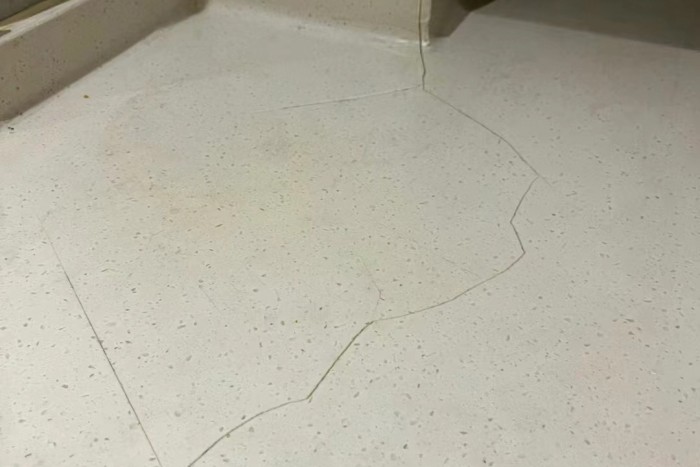
Cracks in kitchen countertops are more than just an aesthetic problem; if not treated promptly, they can lead to structural damage and sanitation issues. Repairing these cracks is essential to maintaining the functionality and appearance of your kitchen. This article will explore the various methods for repairing cracks in kitchen countertops with different materials, as well as the necessary tools, step-by-step instructions, and preventive measures.
Types and Causes of Cracks
Before we delve into repair methods, it’s important to understand the types of cracks and their causes:
Natural cracks: These cracks are usually caused by the inherent properties of the material or stress during the installation process. For example, natural stones such as granite may develop cracks due to their formation process.
Heat cracks: Heat cracks occur when a countertop is exposed to high temperatures, such as placing a hot pot or pan directly on the countertop. Over time, this can weaken the material and cause cracking.
Impact cracks: Heavy objects dropped on the countertop or prolonged use can cause impact cracks. These cracks are usually more serious and may require more extensive repairs.
Prepare
Before you begin the repair process, prepare the necessary tools and materials:
Cleaner and rag: Clean the area around the crack.
Fine sandpaper: Use 200 or 400 grit sandpaper to sand the surface.
Epoxy resin or special repair compound: used to fill cracks.
Color powder: Used to match the repair compound to the countertop color.
Disposable gloves: Protect your hands during repairs.
Scraper or small spatula: Used to apply the repair compound.
Protective tape: Mask the area around the crack to prevent excess compound from spreading.
Polishing tool: For finishing touches after restoration.
How to Repair Cracks in Kitchen Countertops of Different Materials?
1. Quartz and granite countertops
Repair method: Epoxy glue
Step:
Cleaning the cracks: Clean the crack area thoroughly with a cleaner and rag to remove dust, oil and debris.
Sand the surface: Use fine sandpaper (200 or 400 grit) to lightly sand the area around the crack. This will help the epoxy adhere better.
Prepare the epoxy: Mix the epoxy according to the manufacturer's instructions. Add appropriate amount of color powder to match the countertop color.
Fill the cracks: Use a small spatula to fill the cracks with the prepared epoxy, making sure it is filled and slightly above the surface.
Wait to cure: Allow the epoxy to cure completely according to the instructions provided with the resin.
Sanding and polishing: Once cured, use fine sandpaper to sand away any excess epoxy. Polish the area so the repair is flush with the surrounding countertop.
2. Marble countertops
Repair method: Epoxy
Step:
Cleaning and polishing: Clean the crack area thoroughly and lightly polish in preparation for repair.
Color matching and filling: Color matching is critical for marble. Choose a colored powder that closely resembles the natural veining of marble. Fill in cracks, making sure the epoxy is slightly above the surface.
Polishing: After the epoxy has cured, carefully polish the area so it blends in with the surrounding marble.
3. Artificial stone countertops
Repair method: Artificial stone repair agent
Step:
Cleaning: Wipe the cracks with detergent and a rag to ensure the surface is clean.
Filling: Fill the crack directly with engineered stone patching compound, which is usually pre-colored to match the countertop.
Curing and polishing: Allow the repairer to cure as directed. Once cured, use sandpaper to smooth the area.
4. Stainless steel countertops
Repair method: Metal repair paste
Step:
Clean surface: Make sure the surface is free of oil, dust and debris.
Filling: Use metal repair paste to fill in any dents or cracks. Apply it smoothly to ensure an even surface.
Polishing: After the paste has cured, buff the area with a metal polish to restore the smooth surface of the stainless steel.
How to Prevent Kitchen Countertops from Cracking?
Preventing cracks is just as important as repairing them. Here are some effective strategies to help maintain the integrity of your countertops:
Avoid high temperature contact: Always use a potholder or trivet when placing hot pots and pans on the countertop. This will prevent heat cracks caused by sudden changes in temperature.
Prevent heavy objects from hitting: Handle heavy objects with care to avoid dropping or hitting the countertop. Use cutting boards and mats to protect surfaces from impact.
Regular maintenance: Clean and polish your countertop regularly to keep it in good condition. Use suitable cleaning agents and avoid abrasive materials that can scratch the surface. Regular maintenance can extend the life of your countertop and help detect potential problems before they become serious issues.
In Conclusion
Repairing cracks in kitchen countertops is a simple process that can significantly improve the appearance and life of your countertop. By following a method appropriate for each material (whether it's repairing quartz and granite with epoxy, repairing engineered stone with a special repair agent, or repairing stainless steel with a metal paste), you can effectively restore your countertop to its original condition. Timely repairs not only improve the aesthetics, but also help maintain the structural integrity and hygiene of your kitchen.
-
Online service
-
Official wechat account

-
QQ:844389055
-
E-mail:VIP@zliontools.com
Online Message
Please feel free to give your inquiry in the form below. We will reply you in 24 hours.