Marble Countertop Cutting Tips: A Comprehensive Guide
Cutting marble countertops requires precision, the right tools, and safety precautions to achieve clean, professional results. Whether you're a DIY enthusiast or a professional, knowing the necessary tools and techniques is critical to successfully completing your project. Here are some essential tips for effectively cutting marble countertops.
1. Prepare Your Tools
Before you start cutting, make sure you have all the necessary tools on hand. Here is a list of the basic equipment you'll need:
Electric Stone Cutter: This is the main tool for cutting marble countertops. It is very versatile and can be used for both horizontal and diagonal cuts. Make sure the cutter is in good working order and that you are familiar with its operation.
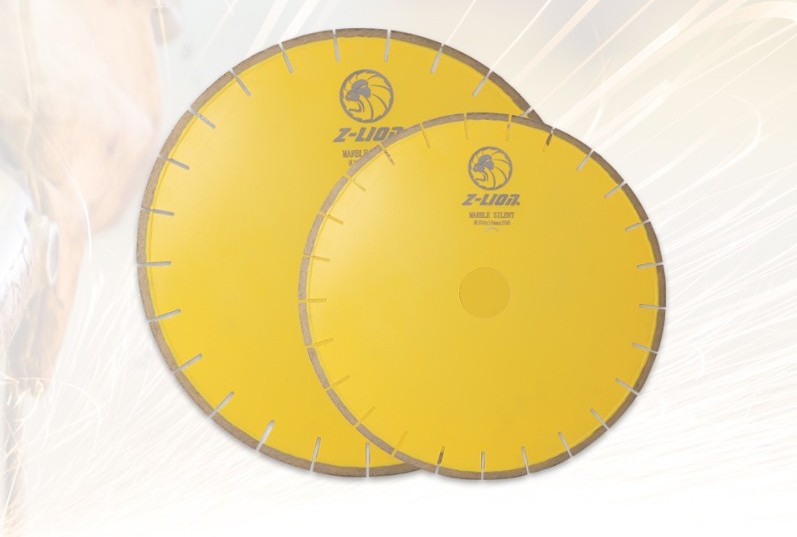
Diamond Saw Blade: A diamond saw blade is an essential tool for cutting marble, as it is specially designed to handle the hardness of the stone. Choose a saw blade that is appropriate for the thickness of the marble you are working on.
Grinding Wheels: Different types of stone are suitable for different grinding wheels. For marble, choose a grinding wheel designed for this material to ensure a smooth surface and minimize chipping.
Protective Equipment: Cutting marble creates a lot of dust and noise, so protective gear is essential. Always wear safety glasses to protect your eyes from dust and debris, a mask to prevent inhalation of fine particles, and earplugs to protect your hearing from the noise of the cutting tools.
2. Marble Countertop Cutting Steps
Measure and Mark: Before you begin cutting, accurate measurements are essential. Use a tape measure to determine the dimensions of the area you want to cut. Once you have measured, clearly mark the cut line on the marble surface with a pen or crayon. This visual guide will help ensure your cut is precise and in accordance with the intended design.
Adjust the Cutter: Once you have marked your cut lines, you are ready to prepare your electric stone cutter. Adjust the position of the cutting blade according to your measurements. Make sure the cutting depth is appropriate for the thickness of your marble. Also, confirm that the orientation of the blade is consistent with the direction you want to cut. Proper alignment is essential to achieve a clean and accurate cut.
Start Cutting: After putting on protective gear (such as goggles, a mask, and earplugs), begin cutting. Insert the cutter into the marble at the marked line and push forward gently. It is important to maintain a consistent cutting speed and force throughout the process. Avoid applying too much pressure, as this can cause knife marks or pits on the surface. Instead, let the cutter do the work, guiding it to move smoothly along the marked line.
Clean the Cutting Line: Once you've completed your cut, it's critical to clean your cut line. Remove any residue, dust, or debris that may have accumulated during the cutting process. This step will not only help you assess the quality of your cut, but also prepare for any necessary trimming or finishing. A clean cut line will provide better visibility and ensure that any adjustments can be made accurately.
3. Tips Sharing
Use templates to assist cropping
One of the most effective ways to achieve precise cuts is to use a template. A homemade template can be made from cardboard or plywood, outlining the desired cut lines. By placing the template on the marble, you can easily trace the cut lines, ensuring that the cuts are straight and precise. Not only does this method help achieve accuracy, but it also reduces overall cutting time because you don't have to make adjustments on the fly.
Using foam pads and vacuum assist
When cutting marble, stability is critical, as any movement can result in an uneven cut or chipping. To increase stability during cutting, consider using foam pads or a vacuum assist. Foam pads can be placed under the marble slab to cushion and reduce vibration, while a vacuum assist can hold the marble firmly in place. This added stability can minimize shaking and help maintain a consistent cut line for a cleaner cut.
Choose high-quality cutting tools, blades and lubricants
The quality of your cutting tools can significantly affect the outcome of your project. Invest in high-quality cutting tools and diamond blades designed specifically for marble. These tools are engineered to handle the hardness of the stone and provide a smoother cut. Additionally, using a lubricant during the cutting process can help reduce friction and heat buildup, which can prevent the marble surface from melting or cracking. Water is often used as a coolant, but there are also specialized cutting lubricants that can improve performance.
Maintain a stable cutting speed
When cutting marble, it is crucial to maintain a steady and consistent cutting speed. Rushing the cutting process can lead to errors such as uneven cuts or damage to the stone. Take your time and let the cutter do the work. A steady speed will help ensure that the blade remains cool and reduce the risk of chipping or cracking.
Check the cutting line regularly
As you cut, stop and check your cut line periodically. This ensures you stay on track and can make necessary adjustments if necessary. If you notice any deviations from your marked line, you can correct them before continuing, which will save you time and energy in the long run.
Clean up your workspace
After cutting, it is important to clean your work area thoroughly. Remove any dust, debris, or residue from the cutting process. A clean work area not only helps you assess the quality of your cut, but also prepares it for subsequent work, such as polishing or trimming the edge.
4.In Conclusion
Cutting marble countertops requires careful planning, the right tools, and effective techniques to achieve professional results.
-
Online service
-
Official wechat account

-
QQ:844389055
-
E-mail:VIP@zliontools.com
Online Message
Please feel free to give your inquiry in the form below. We will reply you in 24 hours.