Marble Polishing Methods and Precautions
Dry Grinding in Marble Polishing
Dry grinding is a fundamental step in the marble polishing process and is the initial stage in preparation for subsequent treatments. While the overall process of marble polishing can be complex and time-consuming, dry grinding plays a vital role in ensuring that the surface is clean and ready for further finishing.
Purpose of dry grinding
The main purpose of dry grinding is to remove impurities from the marble surface, including removing stains, dust, and any other contaminants that may have accumulated over time. By addressing these surface issues, dry grinding lays a solid foundation for the subsequent polishing process.
Stain removal: One of the main benefits of dry sanding is its ability to effectively remove stains from marble surfaces. Whether caused by spills, foot traffic, or environmental factors, stains can detract from the beauty of the stone. Dry sanding uses specialized equipment to polish the surface to remove these stains and restore the marble's natural shine.
Refines pores: Marble is a porous material, and dust and dirt can become trapped in these pores over time. Dry sanding not only cleans the surface, but also refines the pores of the stone. This process helps minimize the absorption of future stains, making the marble easier to maintain.
Polishing preparation: Dry grinding lays the foundation for the polishing process by removing impurities and refining the surface. A clean and well-prepared surface is essential to achieving a high-quality polishing result, as any remaining contaminants will affect the effectiveness of the polishing compound.
Dry grinding process
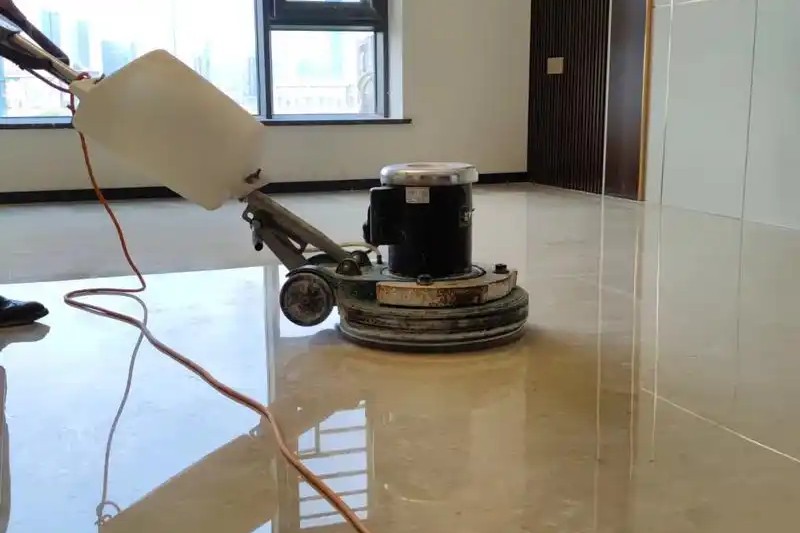
During the dry grinding process, a specialized stone resurfacing machine is typically used. This specialized equipment is designed to handle the unique challenges of marble surfaces. The machine uses dry marble polishing pads to effectively grind the stone without causing damage.
Initial sanding: The first dry sanding is mainly to remove the most obvious impurities on the marble surface. This step is essential to remove visible stains and prepare the marble for further sanding.
Subsequent processes: Depending on the condition of the marble, additional processes may be necessary. Each process helps to further refine the surface, ensuring that all impurities are removed and fully prepared for polishing.
Remove Stains from Stone Surfaces
Marble surfaces are susceptible to a variety of stains that can detract from their natural beauty. Treating these stains correctly is essential to achieving the best polish possible. Here are some effective stain removal methods:
Identify stains: Different types of stains require different treatments. Common stains include oil, wine, coffee, and rust. Identifying the type of stain is the first step in determining the appropriate removal method.
Using chemicals: Chemicals can be very effective for stubborn stains that are difficult to remove with standard cleaning methods. Products designed specifically for marble can break down stubborn stains without damaging the stone. Always follow the manufacturer's instructions and perform a patch test in an inconspicuous area to ensure compatibility with the marble.
Gentle wipe: In some cases, it may be possible to use a soft abrasive pad to remove surface stains. However, be careful not to scratch the marble. It is recommended to use an abrasive pad designed for marble surfaces.
Waterproof Measures
Before you begin the polishing process, be sure to take steps to waterproof your marble. These precautions will help prevent moisture and dirty water from penetrating the marble during the wet sanding process, which can degrade the quality of the polish. Here are some key waterproofing steps:
Seal the surface: Apply a good quality marble sealer before polishing to create a protective barrier against moisture. This step is especially important for porous marble that is susceptible to staining.
Use plastic sheeting: In areas where water may collect, consider covering the marble with plastic sheeting. This will help prevent water from seeping into the stone during polishing.
Monitor water usage: During wet sanding, it is critical to control water usage. Excessive water can lead to ponding and increase the risk of water penetration. Use only the right amount of water to keep the surface moist and avoid ponding.
Cutting and Caulking
To ensure the overall beauty and integrity of your marble surface, proper cutting and caulking is essential. This process not only enhances the appearance, but also helps maintain the structural integrity of the marble. Here are some important considerations:
Precision cutting: When cutting marble, precision is essential. Use a high-quality diamond saw blade for a clean cut. This minimizes chipping and ensures a smooth, even edge.
Caulking: After cutting, any gaps or joints should be filled with a suitable caulk. This not only improves the aesthetics, but also prevents dirt and moisture from accumulating in the joints. Choose a caulk that matches the color of the marble to create a seamless effect.
Finishing work: Once caulking is complete, a final inspection should be performed to ensure that all areas have been filled and the surface is smooth. Excess caulking should be carefully removed to maintain a clean surface.
Polishing
Polishing is the cornerstone of improving the gloss of marble surfaces. The process usually consists of three main steps: waxing, cleaning, and fine grinding with a polishing pad.
Fine grinding: The first step in polishing is to smooth the marble surface using a fine grinding pad. This step removes any remaining imperfections and prepares it for the subsequent polishing process.
Cleaning: After grinding, it is vital to thoroughly clean the marble surface to remove any dust or debris. This ensures the polish works effectively and is not hindered by contaminants.
Pad polishing: Finally, polish with marble polishing pads to restore its natural shine. This step is essential to create a mirror-like finish that enhances the overall appearance of the stone.
Surface Crystallization Treatment
Surface crystallization is another important method of marble polishing. This process requires the use of a crystallization machine equipped with a scouring pad and washing powder to form a protective layer on the marble.
Building a protective layer: The crystallization treatment effectively seals the surface of the marble, preventing stains from penetrating the stone. This protective layer not only enhances the gloss of the marble, but also effectively prevents scratches and other forms of damage.
Permanence of protection: According to data, the protection achieved by crystallization lasts for about one year, making it a valuable addition to regular marble maintenance.
Waxing Care
Waxing is a widely used method to enhance the brightness of marble and provide additional protection to its surface.
Improved brilliance: The main purpose of waxing is to improve the gloss of marble. A good quality wax can significantly improve the gloss and make the surface more visually appealing.
Protection: In addition to enhancing the brightness of the marble, waxing can also prevent minor scratches and stains to a certain extent. However, it should be noted that the waxing effect usually lasts for about three months, so regular waxing is required to maintain the ideal gloss and protection effect.
Key Considerations for Marble Polishing
1. Humidity management
One of the critical steps after completing the marble polishing process is to effectively manage the residual moisture.
Immediately absorb water: After polishing, always use a water absorber to immediately absorb any remaining water from the floor. This step prevents water from penetrating the stone and causing staining or damage over time.
Dry surface: After removing the moisture, the stone surface should be thoroughly dried using a hair dryer. Ensuring that the marble is completely dry is essential to maintaining its integrity and preparing it for subsequent treatments such as sealing or waxing.
2. Device settings and control
When using a large diameter grinder for stone polishing, careful attention must be paid to equipment settings to achieve optimal results.
Control polishing depth: The polishing depth should be strictly controlled within the range of 1mm to 2mm. This precision is essential to avoid over-polishing, which will damage the marble surface and shorten its service life.
Adjust feed speed: During polishing, the feed speed of the polishing machine should be appropriately reduced. A lower feed speed can improve the polishing effect and help to obtain a smoother surface.
Line speed considerations: When the stone polisher is running at a higher line speed, it is recommended to select a larger cutting depth. This adjustment helps balance the increased speed and ensure a good polishing effect without affecting the quality of the finished product.
3. Dealing with stones with large gaps
Marble surfaces with large crevices present special challenges during polishing. To effectively address these issues, follow these tips:
Apply a protective agent: Before re-polishing a stone with large gaps, it is recommended to apply a protective agent evenly on the surface of the stone. This treatment method will help fill the gaps and form a barrier against moisture and stains.
Re-polish to increase hardness: After applying the protectant, re-polishing the surface can significantly increase the hardness of the entire floor crystal surface. This step not only enhances the durability of the marble, but also improves its overall appearance.
-
Online service
-
Official wechat account

-
QQ:844389055
-
E-mail:VIP@zliontools.com
Online Message
Please feel free to give your inquiry in the form below. We will reply you in 24 hours.