Should I Use Dry Sanding or Wet Sanding for Floor Polishing? Comprehensive Analysis of Polishing Methods
Floor polishing is a critical process for improving the appearance and durability of floors in residential and commercial environments. When choosing a polishing method, dry and wet sanding are two common options. Each method has its own advantages and disadvantages, so it is important to understand their characteristics and applicable scenarios. This article will provide a comprehensive analysis of dry and wet sanding for floor polishing.
Characteristics and Applicable Scenarios of Dry Grinding
Dry sanding is when a machine equipped with a diamond grinding disc is used to polish the floor by rotating it at high speed without the use of water. This approach has several advantages:
High efficiency: Dry grinding can cover large areas in a relatively short period of time, significantly improving work efficiency. This makes it ideal for projects requiring quick turnaround times.
Strong applicability: This method works on all types of flooring materials, including marble, granite and ceramic tile. Its versatility allows it to be used in different environments from residential to industrial facilities.
But dry grinding also has its disadvantages:
Generate a lot of dust: One of the most significant disadvantages of dry grinding is the large amount of dust produced during the process. If not handled properly, this dust can pose health risks to operators and cause environmental pollution.
Rough surface treatment: The resulting surface after dry sanding may be rough and require additional processing to achieve a smooth polish. This adds to the polishing process, which may increase labor costs and time.
In view of these characteristics, dry grinding is more suitable for large-area, high-hardness floor treatment, such as industrial plants, warehouses and other efficiency-focused commercial spaces.
Characteristics and Applicable Scenarios of Wet Polishing
Wet polishing requires the use of a polishing machine equipped with a water cooling system. Adding water to the polishing process enhances the interaction between the grinding head and the floor, resulting in a more refined surface. The following are the main features of wet polishing:
Smooth surface: One of the main benefits of wet polishing is that it produces a smooth, fine surface. Water acts as a lubricant, reducing friction and preventing overheating, which helps to achieve a high-quality finish without the need for additional treatment. This makes wet polishing ideal for surfaces that require a flawless appearance.
Easy to operate: Wet polishing simplifies the process. The presence of water helps cool the grinding head, reducing the risk of damage to the tool and floor. In addition, water minimizes dust generation, creates a cleaner working environment, and improves operator visibility.
However, wet polishing also has its limitations:
Low efficiency: A significant disadvantage of wet polishing is that it is less efficient than dry polishing. The process may take longer because the operator must wait for the water to evaporate before moving on to the next step. This can be a disadvantage for large projects where time is of the essence.
Limited scope of application: Wet polishing is best for fine, smooth flooring materials, such as high-end stone (like marble and granite) and certain types of tile. It may not be suitable for rough or porous surfaces, where dry polishing may be more effective.
Applicable scenarios for wet polishing
Due to its properties, wet polishing is particularly suitable for:
Residential spaces: Residential spaces often require a high-quality floor finish, especially in areas such as living rooms, kitchens, and bathrooms. Wet polishing can provide the smooth, elegant look that homeowners want.
Commercial spaces: In retail environments or showrooms where aesthetics are critical, wet polishing can enhance the appearance of floors, making them more attractive to customers.
High-end stone installation: For projects involving luxurious materials such as polished marble or granite, wet polishing ensures that the natural beauty of the stone is highlighted without compromising its integrity.
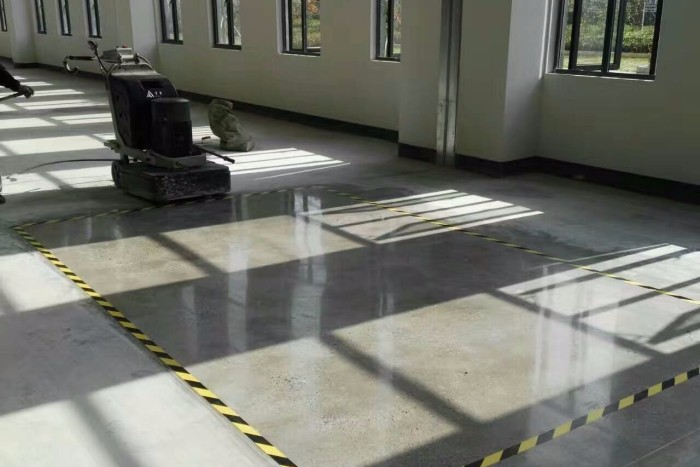
How to Choose the Right Floor Polishing Method?
1. Evaluate target area and materials
The first step in choosing a polishing method is to assess the characteristics of the floor you are treating:
Large areas, hard floors: For large spaces with hard surfaces, such as industrial plants, warehouses or commercial buildings, dry sanding is often the first choice. This method is efficient and allows you to cover large areas quickly. Dry sanding is suitable for a variety of hard materials, including marble, granite and ceramic tile.
Refined and smooth surface: If you are working with high-end stone or tile that requires a refined finish, wet sanding is more appropriate. Wet polishing produces a smoother surface, perfect for residential spaces or areas where aesthetics are critical, such as showrooms or luxury homes.
2. Consider the desired effect
The effect you want to achieve plays an important role in determining your polishing method:
Smooth polishing: If your goal is to achieve a finely polished surface without additional processing, wet polishing is the best option. The water used in this method helps cool the grinding head and reduces friction, resulting in a finer surface.
Rough surfaces requiring additional treatment: If you don't mind a rough surface that requires further treatment, dry sanding may be effective. However, be prepared that additional steps may be required to achieve the desired smoothness.
3. Evaluate efficiency and time constraints
Efficiency is a key factor, especially in a business environment where time is money:
High efficiency: Dry sanding is generally faster and is suitable for larger projects with tight deadlines. If you need to complete a job quickly, this method can significantly increase your productivity.
Longer processing time: Wet sanding may take longer because the water needs to evaporate and there are extra steps to manage the slurry created during the process. If time is not a pressing issue, wet polishing can still provide excellent results.
4. Health and environmental considerations
Operator health and environmental impacts should also be considered:
Dust generation: Dry grinding generates a lot of dust, which poses a threat to the health of operators and causes environmental pollution. If dust control is a priority, wet polishing is a better choice because it minimizes airborne particles and creates a cleaner working environment.
Water consumption: Wet polishing, while it reduces dust, requires water, which may not be appropriate in all environments. Consider water availability and the potential for making the work area slippery.
In Conclusion
Choosing the right floor polishing method (dry or wet) depends on a variety of factors, including floor type, desired finish, efficiency requirements, and health and environmental considerations.
By carefully evaluating your specific situation and needs, you can select the most appropriate polishing method to achieve the desired results and enhance the beauty and durability of your floor. Making an informed decision will ensure that your polishing process is effective, safe, and environmentally friendly.
-
Online service
-
Official wechat account

-
QQ:844389055
-
E-mail:VIP@zliontools.com
Online Message
Please feel free to give your inquiry in the form below. We will reply you in 24 hours.