The Difference Between Sanding Belts and Grinding Wheels
Sanding belts and grinding wheels are two common tools used in surface preparation and finishing across a variety of industries. While both are used to smooth and shape materials, they have different properties, applications, and methods of operation.
Definition and Characteristics of Sanding Belts and Grinding Wheels
1. Sanding belt
A sanding belt is a flexible abrasive belt that is looped over two or more pulleys. It is usually made of a backing material (such as cloth or paper) coated with abrasive particles. Sanding belts are designed for use with belt sanders and are particularly useful for grinding and polishing larger flat or curved surfaces.
Application: Abrasive belts are ideal for tasks that require removing surface burrs, smoothing surfaces, and changing surface topography. They are commonly used in the woodworking, metalworking, and automotive industries for tasks such as shaping wood, smoothing metal surfaces, and finishing automotive parts.
Features:
Flexibility: The flexibility of the abrasive belt enables it to adapt to the shape of the workpiece, making it suitable for both flat and contoured surfaces.
Continuous grinding: The sanding belt provides a continuous grinding action, helping to achieve an even finish over larger areas.
Speed and pressure: The effectiveness of the abrasive belt depends on the speed and pressure applied during operation. Proper adjustment is essential to achieve the best results.
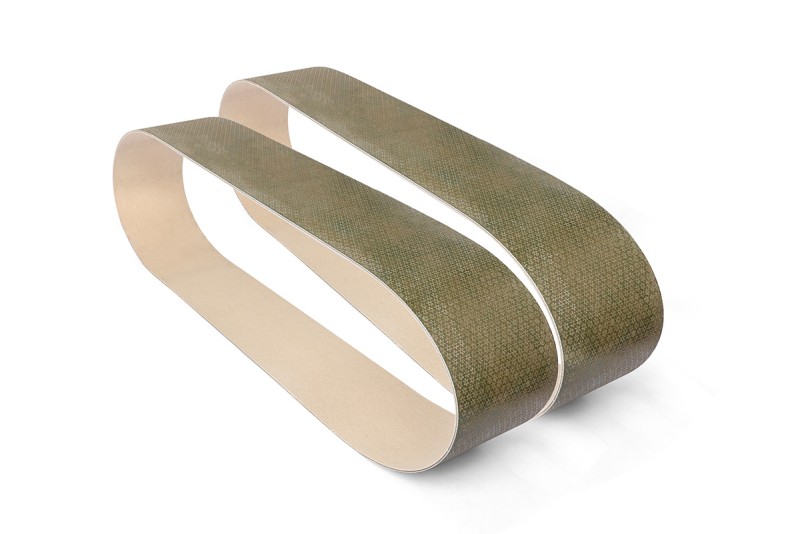
2. Grinding wheel
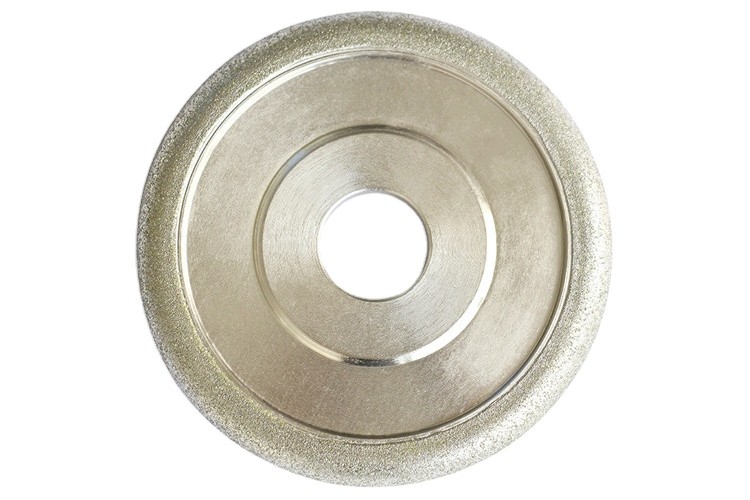
A grinding wheel is a circular disc made of abrasive grains held together by a binder. Grinding wheels are used in a variety of grinding machines to grind, cut and shape materials at high speeds.
Application: Grinding wheels are typically used for precision grinding tasks such as grinding tools, shaping metal parts and achieving a specific surface finish. They are widely used in the manufacturing, metalworking and toolmaking industries.
Features:
High-speed operation: The grinding wheel runs at high speeds, which can effectively remove material and accurately shape the workpiece.
Various grits: Grinding wheels are available in a variety of types, sizes and abrasives to achieve varying degrees of aggressiveness and finish. This versatility makes them suitable for a wide range of applications.
Fixed shape: Unlike abrasive belts, grinding wheels maintain a fixed shape, which facilitates achieving specific geometries and tolerances.
Main differences
1. Shape and structure:
Sanding belt: A flexible, thin belt wrapped around a pulley.
Grinding wheel: Rigid disc.
2. Application:
Sanding belts: Best for larger flat or curved surfaces, providing a smooth finish over a wide area.
Grinding wheels: Suitable for precision grinding and profiling, especially on hard materials.
3. Operation:
Sanding belts: operate at lower speeds and perform a continuous abrasive action, allowing flexibility in surface contact.
Grinding wheels: operate at high speeds and use fixed shapes to achieve specific surface finishes and geometries.
4. Material removal:
Sanding belt: Effectively remove surface burrs and smooth surfaces.
Grinding wheels: Suitable for cutting, shaping and high-precision material removal.
How to Use and Apply Sanding Belts and Wheels?
1. How to use the sanding belt?
Sanding belts are flexible strips of abrasive material used in belt sanders and other specialized machines. Here's how to use them effectively:
Set up:
Belt sander: To use the belt sander you will need a belt sander or a similar machine designed for this purpose. Make sure the machine is properly set up and secured.
Replacing the sanding belt: You will need to manually disassemble the machine to replace the sanding belt before each use. This process can be a bit cumbersome, so familiarity with the machine manual is essential for efficient replacement.
Operation:
Adjust speed and pressure: After installing the belt, adjust the speed and pressure settings based on the material being processed. Different materials may require different settings for best results.
Grinding technique: Place the workpiece on the moving abrasive belt, applying even pressure. Move the workpiece back and forth on the abrasive belt to achieve a smooth surface. Be aware of the heat generated during the process, as excessive heat can damage the workpiece and the abrasive belt.
2. How to use the grinding wheel?
Grinding wheels are discs made of abrasive material and are used in various grinding machines. Here's how to use them effectively:
Set up:
Grinder: Install the grinding wheel directly onto the grinder. Make sure it is securely fastened and all safety guards are in place.
Inspect for damage: Before use, inspect the grinding wheel for any signs of damage or wear. A damaged grinding wheel can cause unsafe operating conditions.
Operation:
Adjust speed: Set the machine to a speed appropriate for the type of grinding you are doing. Different materials and tasks may require different speeds.
Grinding technique: Place the workpiece on the rotating grinding wheel. Grind the surface using steady, controlled movements. Avoid applying excessive pressure as this can cause the grinding wheel and workpiece to overheat and become damaged.
3. Scope of application
Sanding belt:
Surface preparation: Sanding belts are ideal for treating large flat or curved surfaces. Abrasive belts are particularly effective for tasks that require smoothing, shaping or finishing large areas.
High duty: These belts can withstand long-term.
Grinding wheel:
Precision grinding: Grinding wheels are designed for precision grinding tasks and are suitable for grinding tools, shaping metal parts and achieving specific surface finishes.
Hard materials: They are often used to work with hard materials such as stone, ceramics, and glass. Their ability to cut and shape these materials makes them invaluable in manufacturing and construction.
Advantages and Disadvantages of Sanding Belts and Grinding Wheels
Advantages of sanding belts
Excellent processing effect: Sanding belts are known for their excellent machining results, especially for achieving smooth surfaces and high machining accuracy. They effectively remove surface defects and give the workpiece a polished appearance.
Reduce air pollution: Unlike grinding wheels, sanding belts do not create harmful dust or gaseous contamination from abrasive wheel particles. This makes them a more environmentally friendly choice because they do not require special treatment of the machining environment to manage air pollutants.
Versatility: Sanding belts can be used on a variety of materials, including stone, metal and plastic, for a variety of purposes. They are particularly effective for working with larger flat or curved surfaces.
Disadvantages of sanding belts
Higher operating costs: Requires a specialized belt sander and the need to frequently remove and replace the belt, which can result in higher operating costs. This can be an important consideration for businesses operating on a tight budget.
Easy to break: Sanding belts tend to break when machining harder or rougher workpieces. This can lead to increased downtime and additional replacement costs, especially in high-intensity applications.
Advantages of grinding wheels
Precision grinding: Grinding wheels are particularly suitable for precision grinding and cutting tasks. They can achieve specific shapes and surface effects and are ideal for applications requiring high precision.
Easy to use: Grinding wheels are simple to install and use, and are less expensive to replace on the production line than abrasive belts. This simplicity makes them easy to use for operators of all experience levels.
Master the technology: Grinding wheels are generally easy to master and users can quickly become proficient in their use. This can increase productivity and efficiency in the workplace.
Disadvantages of grinding wheels
Generate heat: Grinding wheels generate a lot of heat during operation, which can damage the workpiece surface if not managed properly. This can cause warping or other forms of damage, especially to sensitive materials.
Generates dust and noise: The direct contact between the grinding wheel and the workpiece will generate dust and noise, which poses a threat to the health of the operator. Safety protection measures such as dust extraction systems and hearing protection are needed to mitigate these hazards.
Long processing time: Grinding wheels typically take longer to process a workpiece than abrasive belts. This can lead to inefficiencies in production, especially in high-volume environments where speed is critical.
Conclusion
Although both sanding belts and grinding wheels are tools for grinding materials, they are quite different in usage, scope of application, processing effects, advantages and disadvantages, and application scenarios. When meeting different processing requirements, the most suitable grinding tool should be selected according to the specific workpiece material, shape, and process accuracy.
-
Online service
-
Official wechat account

-
QQ:844389055
-
E-mail:VIP@zliontools.com
Online Message
Please feel free to give your inquiry in the form below. We will reply you in 24 hours.