The Difference Between Marble Renovation and Polishing
Marble Renovation
Marble restoration is the comprehensive process of repairing and rejuvenating aged or damaged marble surfaces, especially floors. Its main purpose is to restore the marble to a condition similar to a newly laid surface. The process usually involves several key steps:
Polishing: This is the first and most critical step, using different grades of diamond grinding discs to remove deep scratches, stains and blemishes on the marble surface. It may take several polishings to achieve a smooth and flat effect.
Filling: After sanding, any remaining damage, such as chips or cracks, is treated with specialized fillers. These fillers are applied to the affected areas to create a seamless look, ensuring a uniform, consistent, and beautiful surface.
Polishing: After the surface is repaired, polishing is performed to enhance the marble's luster. This step not only enhances the marble's beauty, but also brings out its natural color and texture.
Sealing: The final step in the renovation process is to apply a sealant to the marble. This protective layer is crucial because it increases the marble's resistance to water, stains and wear, thus extending its life and keeping it beautiful for a long time.
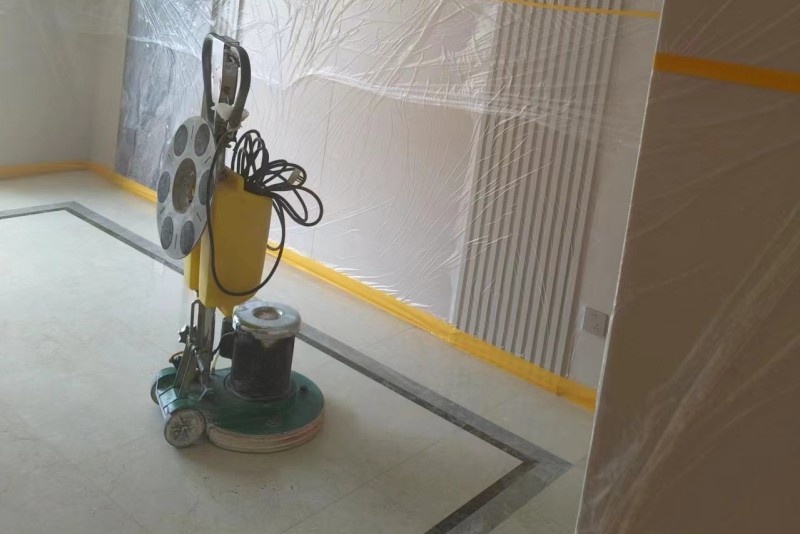
Marble Grinding and Polishing
1. Purpose
The main purpose of marble grinding and polishing is to remove flaws such as scratches, stains and blemishes on the surface of marble. This can significantly enhance the beauty of the marble, making it more beautiful and vibrant.
2. Grinding process
Machine cutting and sanding: The process begins with the use of a sanding machine equipped with a diamond pad or a grinding stone. These tools can effectively cut and sand the marble surface, eliminating deep scratches and uneven areas.
Gradually decreasing grit size: During the grinding process, the grain size of the grinding stone or pad is gradually reduced. Starting with coarser grit and gradually transitioning to finer grit, the grinding effect is intensified and the surface is gradually smoother.
3. Polishing process:
Achieve smoothness: After grinding to the desired smoothness, polish using a polishing machine and polishing powder. This step further refines the surface to a high gloss finish.
Final touches: The polishing process not only enhances the marble’s shine, but it also helps to bring out its natural colors and patterns, resulting in a more visually appealing surface.
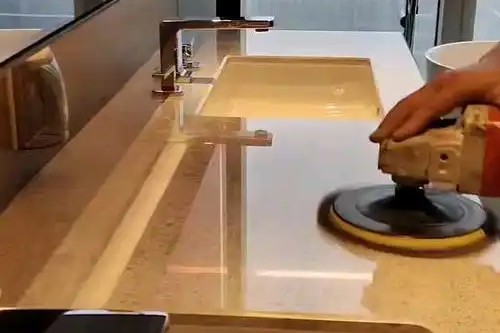
The Difference Between Marble Renovation and Polishing
1. Differences in grinding technology
Marble polishing and renovation both rely on grinding techniques, but the methods and equipment used are very different.
Polishing technology:
Equipment: Marble polishing usually requires the use of mechanical equipment such as polishing machines, wire brushes and polishing pads. These tools are designed to enhance the surface finish of marble by increasing its brightness and gloss.
Technology: The polishing process focuses on the top layer of the marble surface. The polishing process uses fine abrasives to gently polish the surface to a smooth and shiny finish. The goal is to create a mirror-like appearance that highlights the natural beauty of the marble.
Renovation skills:
Equipment required: In contrast, marble renovation requires more robust mechanical equipment, including grinders and floor grinders. These tools are designed to tackle deeper issues with marble surfaces.
Process: The refinishing process is more complex and involves multiple stages of sanding. Its purpose is to remove deep stains, scratches and imperfections from the marble surface. This process may require coarser abrasives to effectively repair severe damage, so it is a more thorough treatment than polishing.
2. Differences in surface treatment
The purpose of polishing and renovation also differs in surface treatment.
Polishing process:
Surface focus: The main purpose of polishing is to improve the surface finish of the marble. This requires sanding the surface layer to make it smooth and shiny. The polishing process is usually finished with the use of polishing compounds and metal polishing pads to further improve the gloss and overall appearance of the marble.
Result: The result of polishing is a visually appealing surface that reflects light beautifully, making the marble look new and vibrant.
Renovation process:
Deep treatment: Marble renovation is more than just a surface treatment, it addresses deeper issues within the marble, such as cracks, chips, and embedded dirt. This process requires the use of a grinder to remove not only surface imperfections, but also deep imperfections that may compromise the integrity of the marble.
Repair of damage: In addition to polishing, the renovation process often includes filling cracks and repairing minor scratches. This comprehensive approach ensures that the marble is restored to its original state, both in appearance and structural integrity.
3. Differences in applicable situations
Polishing:
Ideal situation: Polishing is best suited for marble floors that are less damaged and less worn. This process is particularly suitable for well-maintained surfaces that need to have their brightness and gloss enhanced.
Purpose: The main purpose of polishing is to smooth the surface and enhance the gloss. The polishing process is relatively simple and focuses on improving the appearance of the marble rather than solving deeper problems.
Renovation:
Ideal situation: Renovation is more suitable for marble floors that have significant damage or various stains. These include deep scratches, water spots, contamination, and general wear and tear that cannot be addressed by polishing alone.
Purpose: The renovation process is very comprehensive and is designed to restore the marble to its original condition. It involves multiple steps including sanding, filling cracks and sealing to address issues both on the surface and below ground.
Technology combination:
In some cases, refurbishment can be done after polishing to address major issues that cannot be solved by polishing alone. This combined approach ensures that the marble not only looks beautiful but also remains structurally sound.
4. Differences in maintenance methods
Maintenance of polished marble:
Daily maintenance: Daily maintenance of polished marble floors is relatively simple. Regular cleaning with a vacuum cleaner or dry mop to remove dust and debris is usually possible. This simple maintenance helps maintain the shine and appearance of the polished surface.
Regular care: A light polish may be necessary from time to time to maintain the shine and address any minor scratches that may develop over time.
2. Maintenance of refurbished marble:
Careful care: Renovated marble floors require more careful care to prevent damage or stains. After renovation, be sure to avoid using harsh cleaners that may damage the newly restored surface.
Regular cleaning: Regular cleaning should use a pH neutral detergent and a soft cloth or mop to avoid scratching the surface. In addition, it is recommended to use protective mats in high traffic areas to minimize wear and tear.
Sealing: Refinished marble surfaces are often sealed to enhance their water resistance and durability. Periodic resealing may be necessary to maintain the protective layer and ensure the longevity of the marble.
In Conclusion
For homeowners and professionals who wish to maintain the beauty and integrity of their marble surfaces, it is important to understand the difference between marble renovation and polishing. Polishing is applied to minor wear and tear, improving the shine and appearance of a well-maintained floor. In contrast, renovation is applied to address severe damage and restore the marble to its original condition.
By understanding the circumstances in which each technique is appropriate and implementing the correct maintenance methods, your marble surface can remain beautiful and durable for years to come. Whether you choose a simple polish or a full-blown renovation, both processes are essential to maintaining the elegance of your marble.
-
Online service
-
Official wechat account

-
QQ:844389055
-
E-mail:VIP@zliontools.com
Online Message
Please feel free to give your inquiry in the form below. We will reply you in 24 hours.