Uses and Classification of Sandpaper and Sanding Belts
Introduction to Sandpaper and Abrasive Belts
Sandpaper and sanding belts are essential tools in stoneworking, metalworking, and various finishing applications. These abrasive materials are designed to sand, shape, and finish surfaces, making them essential tools for professional craftsmen and DIY enthusiasts alike. This article will provide an overview of sandpaper and abrasive belts, their composition uses, and their benefits in various applications.
What is sandpaper?
1. Backing Material: The backing provides support and flexibility to the sandpaper. Common materials include:
Paper: Paper sandpaper is typically used for lighter sanding tasks and is available in a variety of weights, with heavier weights being more durable.
Cloth: Cloth-backed sandpaper is sturdier and is typically used for heavy-duty applications, such as sanding metal or rough surfaces.
2. Abrasive Grains: The abrasive coating is what gives sandpaper its abrasiveness. These grains can be made from a variety of materials, including:
Aluminum Oxide: A popular choice for general-purpose sanding, aluminum oxide is durable and effective on both wood and metal surfaces.
Silicon Carbide: Silicon Carbide is known for its sharpness, making it ideal for grinding harder materials such as glass, ceramics, and plastics.
Diamond: Diamond sandpaper is used for special purposes, especially sanding extremely hard materials such as ceramics and glass.
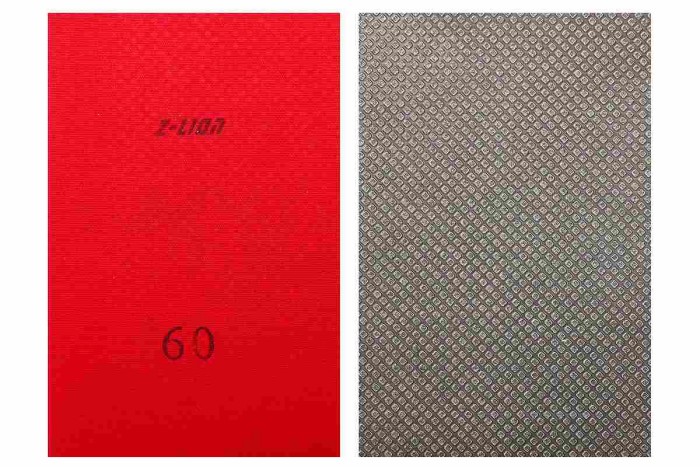
What is an sanding belt?
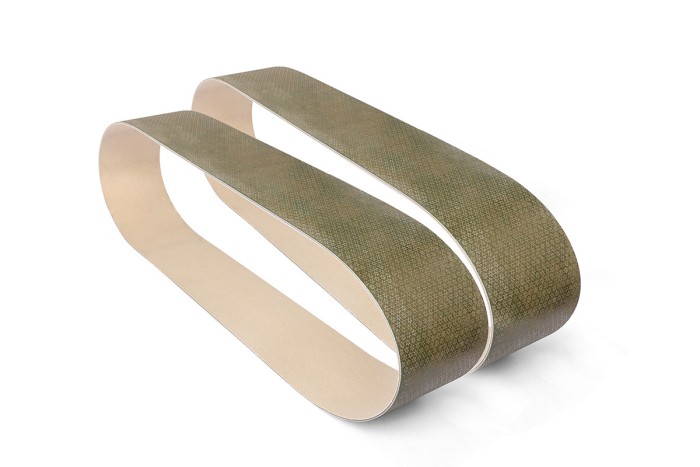
Abrasive belts are continuous loops of abrasive material used with belt sanders. Similar to sandpaper, sanding belts are coated with abrasive particles, but they are designed to be more durable and more efficient for larger surface areas. Abrasive belts are typically made of a flexible backing material, such as cloth or paper, which allows them to conform to the shape of the workpiece.
Uses of Sandpaper and Sanding Belts
1. Repair surface defects
One of the most common uses for sandpaper and sanding belts is to repair surface defects on a variety of materials. These defects include:
Uneven Surfaces: Sandpaper can smooth out rough or uneven surfaces, ensuring a smooth surface. This is especially important in woodworking, where a smooth surface is essential for both beauty and functionality.
Burrs: Burrs are sharp edges or protrusions that may occur during cutting or machining. Sanding belts can effectively remove these burrs, making the surface safer and more beautiful.
Scratches: Sandpaper can effectively remove scratches from a surface and restore it to its original appearance. This is especially useful in automotive applications where maintaining a flawless finish is critical.
2. Grinding and polishing
Sandpaper and abrasive belts are used for grinding and polishing a wide range of materials to achieve a variety of surface effects from rough to fine. Some specific applications include:
Sanding Stone Surfaces: Coarse sandpaper or sanding belts are ideal for sanding stone surfaces such as granite or marble. This process helps remove imperfections and prepares the surface for further sanding.
Polishing ceramic surface: Fine sandpaper is usually used to polish ceramic surfaces to make the surface smooth and shiny. This is especially important in the production of tiles and sanitary ware.
Finishing Glass Surface: Use fine sanding belts to finish the glass surface, ensuring clarity and smoothness. This is vital in the glass manufacturing industry where precision is key.
3. Cutting
In addition to grinding and polishing, sandpaper and abrasive belts can be used to cut a variety of materials. This application is particularly useful in situations where precision cutting is required. Some examples include:
Cutting Wood: Sandpaper can be used to make precise cuts in wood, especially when trimming or trimming edges. While it is not a primary cutting tool, it can be effective for fine adjustments.
Cutting Metal: Abrasive belts are often used in metalworking to cut metal sheets or parts. High-quality abrasive belts allow for efficient cutting while minimizing heat build-up and avoiding material damage.
Cutting Composite Materials: In industries that use composite materials, abrasive belts are used to effectively cut and shape these materials, ensuring clean edges with minimal wear.
Classification of Sandpaper and Sanding Belts
1. Resin sanding belt
Description: Resin sanding belts are made using a resin binder to bond the abrasive grains to a backing material. This binder provides excellent durability and heat resistance, making resin sanding belts suitable for heavy-duty applications.
Feature:
Durability: The resin binder provides a strong bond, allowing the belt to withstand rigorous use without losing its abrasive properties.
Heat Resistance: The resin can withstand higher temperatures, making these belts ideal for applications where heat is generated during the sanding or grinding process.
Versatile: Resin sanding belts can be used on a variety of materials including wood, metal, and composites.
2. Electroplated sanding belt
Description: Electroplated abrasive belts feature abrasive grains bonded to a backing material through an electroplating process. This method involves depositing a layer of metal on the backing to hold the abrasive grains in place.
Feature:
Precision: Electroplated belts provide uniform abrasive distribution, resulting in precise grinding and finishing.
Long Life: The electroplating process creates a strong bond that lasts longer than other types of abrasives.
Special Application: These belts are often used for specific applications such as grinding hard materials.
Application Scope of Sandpaper and Sanding Belt
Sandpaper and sanding belts are widely used in both domestic and industrial settings. Their versatility makes them suitable for a variety of applications, including:
Abrasive: Effectively removes surface material, whether wood, metal, or stone.
Polishing: Used to give a variety of materials a smooth, shiny surface, enhancing their appearance and durability.
Trimming: Great for shaping edges and corners, ensuring a precise fit in construction and manufacturing.
Common Material Processing
Sandpaper and sanding belts can be used on a variety of materials, including:
Marble and Granite: For surface treatment and polishing in the stone industry.
Glass: Used to give glass products a clear, smooth surface.
Ceramic: For refining the surfaces of tiles and pottery.
Concrete: For leveling and finishing of concrete surfaces in construction.
In Conclusion
Sandpaper and sanding belts are handy and useful tools that play a vital role when grinding, finishing, and polishing a wide range of materials.
-
Online service
-
Official wechat account

-
QQ:844389055
-
E-mail:VIP@zliontools.com
Online Message
Please feel free to give your inquiry in the form below. We will reply you in 24 hours.