Features of Diamond Saw Blades
What Is a Diamond Saw Blade?
A diamond saw blade is a cutting tool designed for high-performance applications, primarily in construction, masonry, and metalworking. Unlike traditional saw blades, which are usually made of steel or other metals, diamond saw blades use diamond particles as the primary abrasive. This unique composition provides a variety of benefits that make diamond saw blades an essential tool for cutting a variety of materials.
Composition and Structure of Diamond Saw Blades
Diamond saw blades consist of a core, usually made of high-strength steel, and segments or edges in which diamond particles are embedded. Diamond particles are bonded to the core using various methods, such as electroplating or brazing, which increases the blade's durability and cutting efficiency. The design of the saw blade can vary depending on its intended use, with different segment shapes and sizes tailored for specific cutting tasks.
Features of Diamond Saw Blades
1. High hardness
One of the most notable features of diamond saw blades is their exceptional hardness. In fact, these saw blades are 5 to 10 times harder than natural diamonds. This extraordinary hardness allows them to cut through extremely hard materials such as stone, concrete, and ceramics with ease. The ability to stay sharp for long periods of time makes diamond saw blades the first choice for professionals who need precise and durable cutting tools.
2. High intensity
In addition to hardness, diamond saw blades offer high strength and excellent impact resistance. This feature means that diamond saw blades are less likely to break or chip during use, even under harsh cutting conditions. The sturdy construction of these saw blades helps extend their service life, reducing the need for frequent replacements, and ultimately saving users time and money.
3. Wear resistance
Diamond saw blades are designed with high-density diamond particles, which play a vital role in their performance. As the saw blade cuts through material, the diamond particles wear away, exposing new sharp particles. This constant exposure of the new diamond edge ensures consistent cutting accuracy and quality throughout the blade's service life. The wear resistance of diamond saw blades not only improves their cutting performance but also minimizes the risk of overheating and blade degradation.
4. High-temperature resistance
Cutting materials at high speeds generates large amounts of heat, which can cause standard saw blades to deform and reduce cutting accuracy. However, due to the diamond's low thermal expansion coefficient, diamond saw blades can withstand high temperatures. This property means that the diamond saw blade retains its shape and cutting accuracy even when exposed to high temperatures, ensuring reliable performance in demanding applications.
5. Beautiful appearance
In addition to their functional advantages, diamond saw blades also have an aesthetic appearance. They are manufactured with high precision and have smooth cut surfaces that leave no burrs or lime residue. This not only enhances the aesthetics of the finished workpiece but also improves processing efficiency. Clean cuts reduce additional finishing work, making for a more streamlined workflow on a variety of projects.
What Materials Are Diamond Saw Blades Suitable For?
1. Stone
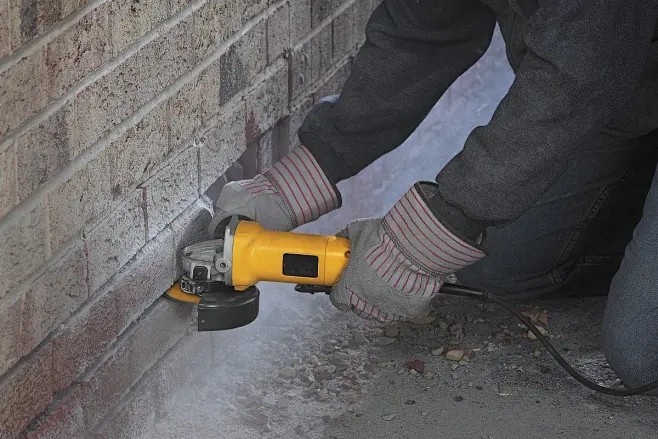
One of the main applications of diamond saw blades is the cutting and processing of stone. Whether it is granite, marble, or limestone, diamond saw blades provide clean, precise cuts. The hardness of diamond saw blades enables them to cut through these tough materials without chipping or cracking, making them ideal for stone fabricators and masons who require a high-quality finish.
2. Concrete
Concrete is another material that benefits greatly from the use of diamond saw blades. Designed to handle the density and toughness of concrete, these blades are ideal for cutting slabs, walls, and other structures. The high wear resistance of diamond saw blades ensures that they remain efficient even when dealing with reinforced concrete containing rebar.
3. Ceramics
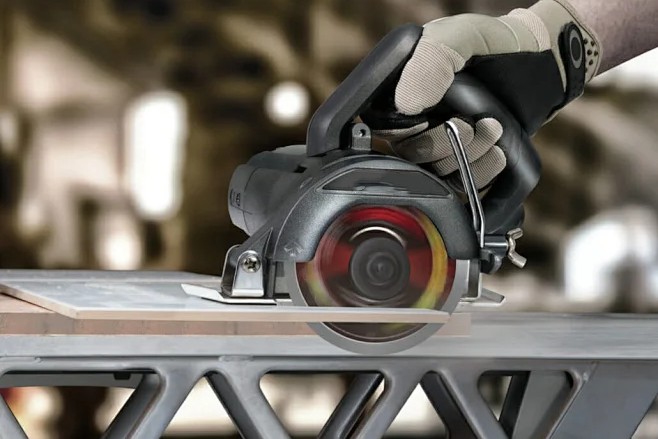
Ceramic materials are known for being brittle and hard, making them difficult to cut with standard saw blades. However, diamond saw blades are specifically designed to address this challenge. They can smoothly and precisely cut a variety of ceramic products, including tile, porcelain, and pottery. Being able to cut ceramic without causing chips or cracks is a significant advantage for tile installers and manufacturers.
4. Glass
Diamond blades are also suitable for cutting glass, a material that needs to be handled with care due to its brittleness. The precision and sharpness of diamond blades allow for clean cuts on glass sheets, mirrors, and other glass products. This capability is especially valuable in the glass manufacturing and installation industries, where beauty and precision are important.
5. Polymer materials
In addition to hard materials, diamond saw blades can effectively cut a variety of polymer materials, including plastics and composites. These materials usually require specialized cutting tools to avoid melting or deforming during the cutting process. Diamond saw blades have the necessary sharpness and heat resistance to achieve clean cuts without damaging the material.
6. Metal materials
Diamond saw blades are not limited to non-metallic materials, but can be used to cut a wide range of metallic materials. While they are particularly effective on softer metals, advances in blade technology have allowed diamond blades to be used on harder metals as well. This versatility makes them suitable for use in metal fabrication, the automotive, and aerospace industries.
Important Notes When Using Diamond Saw Blades
1. Choose the right diamond saw blade
It is critical to choose the right diamond saw blade for your specific needs. Different saw blades are designed for different applications, and using the wrong type of blade can result in poor performance, material damage, or even accidents. Here are some factors to consider when choosing a diamond saw blade:
Material type: Make sure the blade is appropriate for the material you are cutting, whether it is stone, concrete, ceramic, glass, or metal.
Blade diameter: The diameter of the blade should match the specification of the cutting tool and the thickness of the material being cut.
Cutter head designs: Different cutter head designs (e.g. turbine, segmented, continuous) are optimized for specific cutting tasks. Choose the design that matches your cutting requirements.
Bond type: The bond type affects the performance and life of the blade. Softer bonds are better for harder materials, while harder bonds are better for softer materials.
2. Prioritize safety
Safety is of the utmost importance when using diamond saw blades, as they are cutting tools that rotate at high speeds and can present significant risks if not handled correctly. Here are some safety precautions to follow:
Wear protective gear: Operators should always wear appropriate safety equipment including goggles, gloves, earmuffs, and dust masks to protect against flying debris and noise.
Follow safe operating procedures: Familiarize yourself with the manufacturer's instructions and follow safe operating procedures. This includes ensuring the work area is clear of obstructions and that the blade is properly installed and secured.
Use the right equipment: Make sure the saw or cutter is compatible with the diamond blade being used. Using the wrong equipment may result in accidents and equipment failure.
3. Conduct a trial cut
Before you begin a full-scale cutting operation, it is recommended to make a test cut. This step allows you to evaluate how well and how well the blade will cut a specific material. Here's how to make a test cut effectively:
Select a sample: Choose a piece of the same material you will be cutting for the trial.
Monitor performance: Observe the performance of the blade during a test cut. Check for signs of excessive vibration, overheating, or poor cut quality.
Adjust settings if necessary: Based on your test cuts, you may need to adjust the cutting speed, and feed rate, or even switch to a different blade if performance is unsatisfactory.
In Conclusion
Using diamond blades effectively requires careful consideration of several factors, including selecting the right blade, following safety procedures, and performing test cuts. By paying attention to these issues, users can improve cutting efficiency, ensure safety, and achieve high-quality results on their projects. Whether you are a professional contractor or a DIY enthusiast, understanding these key considerations will help you get the most out of your diamond blades.
-
Online service
-
Official wechat account

-
QQ:844389055
-
E-mail:VIP@zliontools.com
Online Message
Please feel free to give your inquiry in the form below. We will reply you in 24 hours.