Concrete Floor Grinding Discs: How to Choose and Use Them
Concrete floor grinding discs are an important tool for achieving smooth, polished surfaces on a variety of construction and renovation projects. Choosing the right type of abrasive disc and using it correctly can significantly impact the quality of your finished flooring. This article will explore the different types of concrete floor grinding discs, how to choose the right grinding discs for your needs, and best practices for using them effectively.
Types of Concrete Floor Grinding Discs
Concrete floor grinding discs are mainly divided into two types: metal bond grinding discs and resin bond grinding discs. Each type has a specific purpose and is suitable for different stages of the grinding and polishing process.
1. Metal bond grinding disc
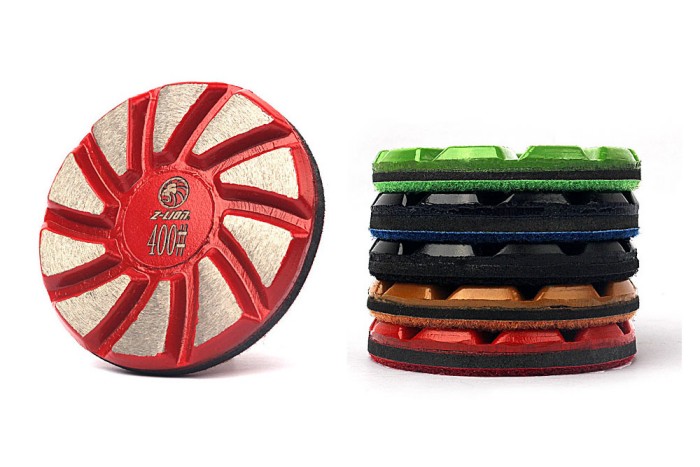
Purpose: Metal bonded grinding discs are designed for the initial grinding phase. They are ideal for removing dirt, imperfections, and coatings from the surface of concrete floors.
Material composition: These discs are made from diamond segments embedded in a metal matrix. The metal bond provides high wear resistance and durability, making it suitable for heavy-duty applications.
Advantage:
High durability: Metal bonding discs can withstand the rigors of grinding on hard concrete surfaces without visible wear.
Efficient material removal: They are ideal for powerful grinding and can quickly remove surface defects and coatings.
Longer lifespan: Due to their sturdy construction, metal bonded discs generally have a longer service life than resin bonded discs.
2. Resin bonded grinding disc
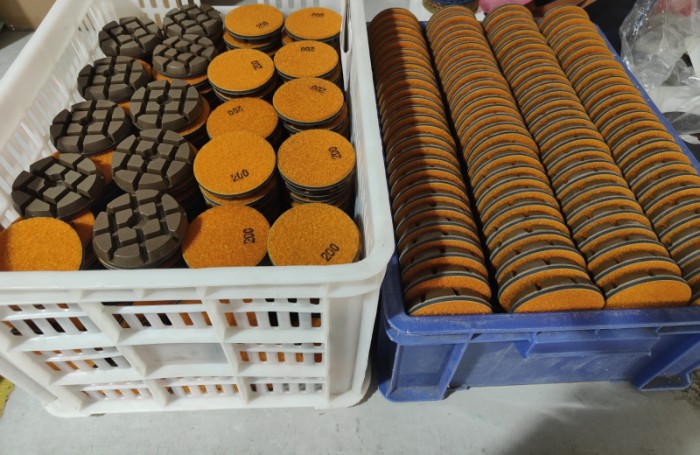
Use: Resin bonded grinding discs are mainly used in the polishing stage. They are designed to improve the surface and enhance its shine.
Material composition: These discs are composed of diamond particles embedded in a resin matrix. Resin bond allows for a smoother surface and is less aggressive than metal bond discs.
Advantage:
Smoother surface: Resin bonding discs are ideal for achieving a high gloss finish on concrete floors.
Less corrosive: They are less likely to cause chipping or damage to the surface, making them suitable for final polishing.
Versatility: Resin bonded discs can be used on a variety of surfaces including polished concrete, terrazzo and natural stone.
How to Choose Concrete Floor Grinding Discs?
1. Select according to the grinding process
The grinding process you are undertaking will significantly affect your choice of grinding disc. Different grinding stages require different types of grinding discs:
A. Coarse grinding disc
Purpose: The coarse grinding disc is designed for the initial grinding phase. They effectively remove surface imperfections, coatings, and rough spots from concrete floors.
Grit size: Typically, coarse grinding discs have a grit size range of 30 to 50. These discs are aggressive and remove material quickly, making them ideal for first passes.
B. Fine grinding disc
Purpose: After preliminary grinding, use a fine grinding disc for polishing to achieve a smooth surface. They help refine the surface and prepare it for final polishing.
Grit size: The grit size of fine grinding discs is usually 100 and above. These discs are less aggressive and designed to enhance the shine and smoothness of concrete surfaces.
By choosing the right abrasive disc for each stage of the process, you can increase your application efficiency and achieve a higher quality finish.
2. Select according to hardness
The hardness of the concrete floor is another key factor in choosing the right abrasive disc:
A. Hard concrete floor
Pad hardness: For harder concrete surfaces, you will need a disc with a harder binder. Harder discs are designed to withstand the wear and tear associated with grinding hard materials.
Benefits: Using hard bonded discs on hard concrete will ensure effective grinding without excessive wear on the discs, resulting in longer life and improved performance.
B. Soft concrete floor
Disc hardness: On the contrary, if you are working with softer concrete, a disc with a softer binder is more suitable. A softer disc will provide better diamond exposure and reduce the risk of excessive wear.
Benefits: Softer discs are less aggressive and help achieve a smoother finish without damaging the concrete surface.
Knowing the hardness of the concrete floor you are working with will help you choose the right grinding disc for the best results.
How to Use Concrete Floor Grinding Disc Correctly?
1. Operate according to the grinding process
Different types of grinding discs require specific operating techniques depending on the grinding process. Understanding these processes will help you achieve the best results.
A. Coarse grinding disc
Low-speed operation: When using the coarse grinding disc, it must be run at a lower speed. This provides better control and prevents the brake discs from overheating, which can lead to premature wear or damage. Coarse discs are designed to remove material with force, so maintaining a steady speed will help achieve an even surface.
B. Fine grinding disc
High-speed operation: In contrast, the fine grinding disc should run at a higher speed. This is necessary to achieve the desired smoothness and shine on the concrete surface. The increased speed allows the fine particles in the disc to effectively polish the surface, resulting in a high-gloss surface.
By adjusting the speed based on the type of grinding disc you are using, you can make your grinding process more efficient and get better results.
2. Pay attention to the service life of the grinding disc
Monitoring the life of your grinding disc is critical to maintaining optimal performance:
A. Regular inspection
Check for wear: Check the grinding disc regularly for signs of wear. Look for any visible damage, such as cracks or significant material loss. If the disc becomes worn, it will need to be replaced.
B. Replacement time
Effect on grinding results: Using grinding discs that have exceeded their service life will have a negative impact on the grinding results. Worn discs may not work efficiently, causing uneven surfaces and increased labor time. To ensure consistent results, replace discs as necessary based on their condition and the requirements of your project.
3. Pay attention to safety matters
Safety should always be your top priority when using concrete floor grinding discs. Here are some basic safety precautions to follow:
A. Personal protective equipment
Wear protective equipment: Always wear appropriate safety equipment including safety glasses, dust mask, and gloves. This gear will help protect you from flying debris, dust, and potential injury during the grinding process.
B. Work environment
Ensure proper ventilation: Make sure the work area is well-ventilated to minimize dust accumulation. If possible, use a dust collection system to capture dust and debris generated during the grinding process.
C. Device security
Check equipment before use: Before you begin, inspect the grinder and make sure it is in good working order. Check for loose or damaged parts that could create a safety hazard during operation.
In Conclusion
Proper selection and use of concrete floor grinding discs not only improves construction efficiency but also ensures a safer working environment. By keeping these guidelines in mind, you can tackle the task of sanding your concrete floors with confidence and get the finish you want.
-
Online service
-
Official wechat account

-
QQ:844389055
-
E-mail:VIP@zliontools.com
Online Message
Please feel free to give your inquiry in the form below. We will reply you in 24 hours.