What is the function of polishing pad?
Main Functions of Polishing Pads
1. Smooth surface
The primary function of a polishing pad is to smooth rough surfaces. Whether it's stone, tile, or concrete, polishing pads effectively remove blemishes, scratches, and burrs for a polished, refined look. This smoothing process is critical for applications where aesthetics and surface quality are critical, such as countertops, flooring, and decorative stonework.
2. Enhance surface gloss
In addition to smoothing the surface, polishing pads are designed to enhance the gloss and shine of the material. By using different finenesses of pads, users can achieve different levels of gloss. For example, a coarser pad is used for the initial grinding, while a finer pad is used for the final polishing stage, resulting in a visually appealing high-gloss surface.
3. Material versatility
Polishing pads are differentiated by color and hardness level, allowing them to be customized for specific materials. Different pads are designed for different surfaces, including:
Stone: Diamond polishing pads are commonly used on granite, marble, and other hard stones, providing effective grinding and polishing capabilities.
Tile: Special pads for ceramic and ceramic tiles help achieve a smooth surface without damaging the surface.
Concrete: Concrete polishing pads are designed to withstand the rigors of grinding and polishing concrete surfaces, making them ideal for floors and countertops.
4. Improve work efficiency
Using a polishing pad can significantly improve your work efficiency. The right pad can reduce the time and effort required to achieve the desired finish. By selecting the right polishing pad for a specific material and polishing stage, users can streamline the polishing process, completing projects faster and reducing labor costs.
5. Achieve exquisite finishes
Polishing pads can achieve the refined finishes often required in high-end applications. The ability to control the grind and polishing technique allows users to create intricate designs and textures on surfaces that enhance the overall aesthetic.
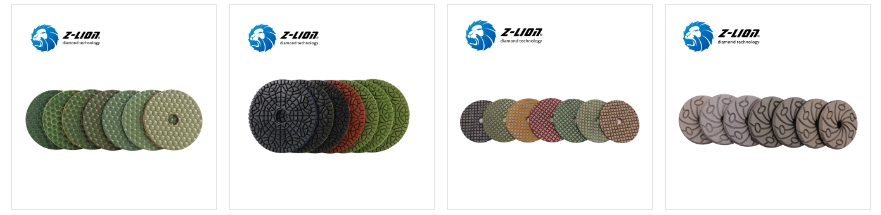
Features of Polishing Pads
1. Color coding
Polishing pads are often color-coded to indicate their grit size and intended use. For example, a darker pad may represent coarser grit, while a lighter pad may represent finer grit. This color differentiation helps users quickly identify the right polishing pad for their specific polishing needs.
2. Hardness level
Polishing pads vary in hardness to match the material being polished. Softer pads are suitable for delicate surfaces, while harder pads are designed for tougher materials. This versatility ensures users can achieve optimal results without damaging the workpiece.
How to Use Polishing Pads?
1. Choose the right polishing pad and abrasive
Choose the right pad: Polishing pads come in different colors and hardness levels, which indicate their roughness and intended use. For example, softer pads are suitable for delicate surfaces, while harder pads are designed for tougher materials.
Choose the right abrasive: Choose an abrasive that matches the color and hardness level of your polishing pad. The right combination will enhance the polishing effect and ensure effective material removal.
2. Install the polishing pad to the polishing machine
Correct installation
Remove existing attachments: If there are any existing attachments on the polisher, please remove them to ensure a clean installation.
Attaching the polishing pad: Attach the polishing pad to the polishing machine according to the manufacturer's instructions. Make sure it is securely fastened to prevent it from loosening during operation.
3. Add an appropriate amount of abrasive
Use abrasives
Even distribution: Spread the appropriate amount of abrasive evenly on the surface of the polishing pad. This ensures that the abrasive is evenly distributed for consistent polishing results.
Avoid overloading: Be careful not to overload the polishing pad with too much abrasive, as this can result in uneven polishing and possible damage to the surface being worked on.
4. Turn on the polishing machine for polishing
Start polishing process
Power on: Turn on the polisher and bring it up to the desired speed. Make sure you are in a safe position before starting.
Positioning pad: Place the polishing pad flat on the surface to be polished. Hold the machine firmly and keep the pad moving to avoid overheating any particular area.
Polishing technology
Consistent motion: Moves the polisher in a consistent motion across the surface. This helps ensure an even polish and prevent material damage.
Monitor progress: Check the surface regularly to evaluate polishing results. Continue polishing until the desired finish is achieved.
-
Online service
-
Official wechat account

-
QQ:844389055
-
E-mail:VIP@zliontools.com
Online Message
Please feel free to give your inquiry in the form below. We will reply you in 24 hours.