Why are diamonds used to make drill bits?
Why Is Diamond Used to Make Drill Tips?
Diamond drill bits are becoming increasingly popular in various industries due to their superior performance and durability. As one of the hardest materials known to man, diamond has unique advantages that make it ideal for making drill bits.
1. Extremely high hardness
a. Unparalleled durability
Diamond is known for its unparalleled hardness, which is several times harder than traditional materials such as steel. This extremely high hardness allows diamond drill bits to maintain their cutting edge even under the most demanding conditions. As a result, they can effectively drill through a variety of materials, including:
Concrete: Ideal for construction applications where strength and durability are critical.
Stone: Ideal for stone processing where precision and quality are crucial.
Metal: Effectively drills through hard metals, making it suitable for a variety of industrial applications.
b. Stability in harsh environments
The hardness of the diamond ensures that the drill bit remains stable and safe during operation even in harsh working environments. Users can rely on diamond drill bits to maintain consistent performance without the risk of damage or failure, which is critical to maintaining productivity and safety on the job site.
2. Long lifespan
a. Extended tool life
One of the most significant advantages of diamond drill bits is their long service life. Diamond drill bits last much longer than traditional steel drill bits. Extended service life means users can drill more holes before needing to replace tools, allowing:
Reduced replacement frequency: Fewer replacements mean less downtime and greater operational efficiency.
Cost savings: While the initial cost of diamond drill bits may be higher, their longevity means lower overall costs in the long run.
b. Stable performance
The durability of diamond drill bits ensures that they maintain cutting performance throughout their service life. This consistency is critical for applications that require precision, as it minimizes the risk of errors and ensures high-quality results.
3. Good cutting effect
a. Fast and efficient cutting
Diamond drill bits are designed to provide excellent cutting performance. Its sharp diamond particles enable fast and efficient drilling, allowing users to complete tasks faster than traditional drill bits. This efficiency is especially beneficial for high-volume applications where time is critical.
b. Smooth and accurate cutting
In addition to speed, diamond drill bits allow for smooth cuts, which improves the overall quality of the job. The precision provided by these drills ensures accurate drilling, which is critical for applications such as:
Lock installation: Make sure the lock hole is cut precisely for proper installation.
Electrical and plumbing: Accurate hole location is critical to functionality.
Application Fields of Diamond Drill Bits
1. Construction Industry
a. Concrete drilling
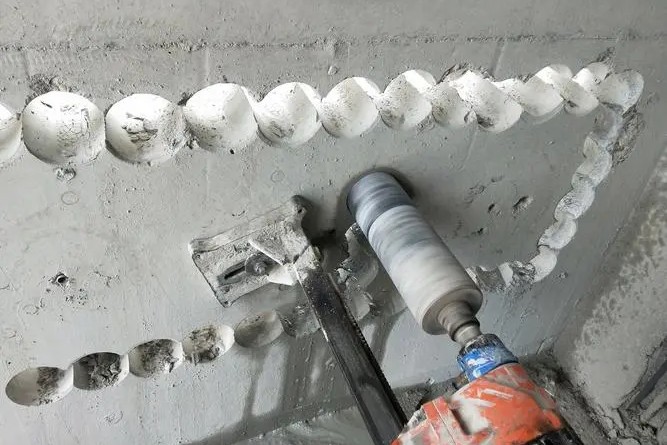
In the construction sector, diamond drill bits are essential for precise drilling of concrete walls and floors. Their applications include:
Create keyhole: Diamond drill bits are essential for installing locks and fixtures, ensuring accurate hole placement.
Embedded holes: Diamond drill bits are used in electrical and plumbing installations to seamlessly integrate utilities into concrete structures.
b. Core drilling
Diamond coring drill bits are designed for core drilling applications to extract cylindrical samples of concrete or masonry. This technology is critical for:
Testing and analysis: Analyze core samples for structural integrity and material composition.
Create openings: Core drilling is used to create openings for HVAC systems, pipes, and electrical conduits.
2. Stone processing industry
a. Cutting and shaping stone
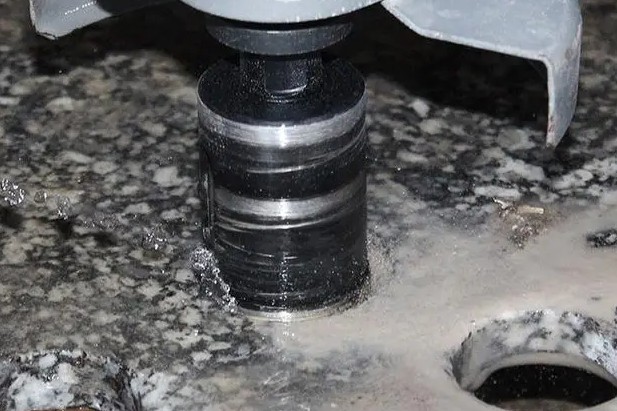
In the stone processing industry, diamond drill bits are widely used to cut and shape various types of stone, including granite, marble, and quartz. Their applications include:
Stone working: Diamond drill bits are essential for creating intricate designs and shapes on stone countertops, tiles, and monuments.
Polishing: After cutting, use a diamond drill bit to polish the stone surface to achieve high gloss and enhance beauty.
b. Repair and restoration
Diamond drill bits are also used for the repair and restoration of stone surfaces. They effectively remove imperfections such as scratches and stains, ensuring that stone products retain their quality and appearance over the long term.
3. Glass processing industry
a. Drilling holes in the glass
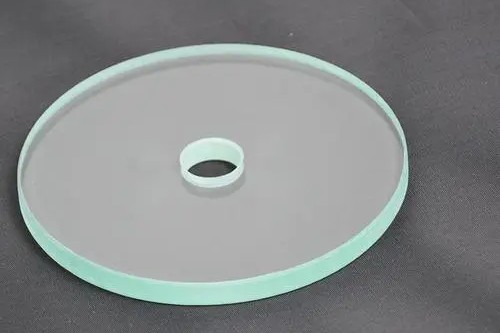
In the field of glass processing, diamond drill bits are essential for drilling precise holes in glass products. Their applications include:
Drilling holes for fixtures: Diamond drill bits are used to drill holes in glass fixtures to install hardware, such as shower doors and glass railings.
Art glasswork: Artists and craftsmen use diamond drill bits to create intricate designs and patterns on glass, allowing for creative expression.
b. Finishing edge
Diamond drill bits are also used to finish the edges of glass products, ensuring a smooth, polished surface for enhanced safety and aesthetics.
4. Ceramics and other hard materials
a. Ceramic drilling
Diamond drill bits are very effective for drilling holes in hard ceramics, which are commonly used for ceramic tiles, sanitary ware and decorative items. Their ability to cut through these materials without chipping or cracking is critical to maintaining product integrity.
b. Building materials
In addition to concrete and stone, diamond drill bits are used to drill holes in a variety of construction materials, including:
Brick: Used to create openings for doors, windows and utilities.
Composite: Used in modern construction where lightweight and durable materials are required.
Precautions for Using Diamond Drill Bits
1. Ensure the correct drilling position
a. Accurate placement
Before starting the drilling process, it is crucial to ensure that the drill holes are in the correct location. Misalignment can cause unnecessary wear on the drill bit and potential damage to the workpiece.
b. Mark location
Use a marker or center punch to clearly indicate where to drill. This practice helps maintain accuracy and prevents the drill bit from drifting during operation.
2. Control feed speed
a. Optimum feed rate
Controlling the feed rate of the drill bit is critical to achieving efficient drilling. If the feed rate is too slow, it can cause overheating and reduce efficiency. On the contrary, if the feed speed is too fast, it will cause excessive wear and even breakage of the drill bit.
b. Adjust material hardness
Different materials require different feed rates. Always adjust feed speed based on the hardness of the material you are drilling to ensure optimal performance and longevity of your drill bit.
3. Choose the right drill bit and speed
a. Match drill bit to material
Choosing the right diamond drill bit for a specific material is crucial. Diamond drill bits come in a variety of designs and sizes to suit different applications. Using the wrong type can result in ineffective drilling and damage to the drill bit.
b. Speed setting
In addition to choosing the right drill bit, it is also important to set the right drill bit speed. Higher speeds may be suitable for softer materials, while lower speeds are usually better for harder materials. Be sure to refer to the manufacturer's guidelines for recommended speeds.
4. Apply gentle pressure when entering the material
a. Avoid vibration
As you begin drilling, apply gentle pressure to the drill bit. Excessive force can cause vibrations that can cause the diamond particles to crack or fragment. A stable, controlled approach will help maintain the integrity of the drill bit.
b. Gradual participation
Allow the drill bit to gradually engage the material. This technology not only reduces the risk of damage but also increases the accuracy of drilling.
Conclusion
In summary, diamond drill bits have become an ideal tool for processing hard materials due to their excellent hardness, life and cutting performance, and have broad application prospects. When using them, we need to choose different types of drill bits according to the specific situation to ensure drilling accuracy and work efficiency.
-
Online service
-
Official wechat account

-
QQ:844389055
-
E-mail:VIP@zliontools.com
Online Message
Please feel free to give your inquiry in the form below. We will reply you in 24 hours.