Wet Polishing Pad: A Detailed Explanation of Efficient Surface Treatment Technology
High-quality surface preparation of a wide range of materials is essential in modern industrial production. One of the most effective methods of surface preparation is using a wet polishing pad. This technique is popular due to its efficiency and ability to produce an excellent surface finish. In this article, we will explore what a wet polishing pad is, how it works, and its benefits in surface preparation.
What Are Wet Polishing Pads?
A wet polishing pad is a tool specifically designed for polishing surfaces, particularly glass, stone, and concrete. Unlike dry polishing methods, wet polishing utilizes a combination of water or other polishing fluids and a polishing pad to enhance the polishing process. Polishing pads are typically made of soft materials such as foam or felt, designed to provide a delicate touch while effectively removing surface imperfections.
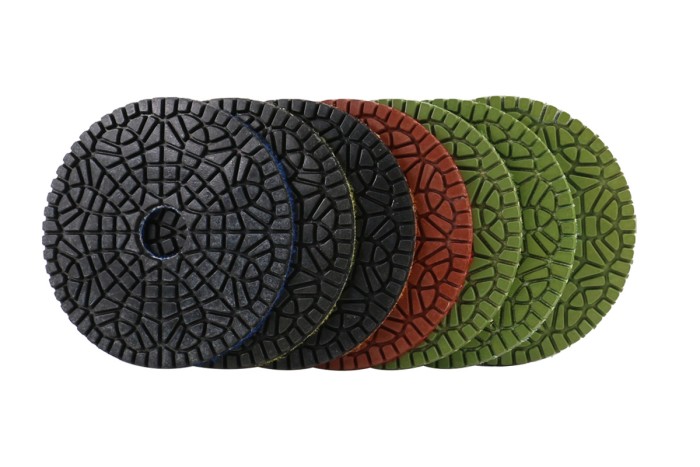
How Wet Polishing Pads Work?
The effectiveness of wet polishing pads lies in their unique working principle, which involves mechanical and chemical actions:
Mechanical action: During the polishing process, the wet polishing pad rubs against the surface of the workpiece. This mechanical action helps remove rough areas, scratches, and other imperfections from the surface. The softness of the polishing pad allows it to conform to the contours of the surface, ensuring an even, smooth surface.
Chemistry: The polishing fluid used with the polishing pad plays a vital role in enhancing the polishing process. The chemical components in the polishing fluid help break down surface contaminants such as oil, dirt and residue, making it easier for the polishing pad to achieve a clean and polished surface. In addition, the liquid helps reduce the friction and heat generated during the polishing process, thereby preventing damage to the workpiece.
Cooling Effect: Using water or other liquids during the polishing process also has a cooling effect, which is essential to prevent overheating. Overheating can cause thermal stress and can damage the material being polished, especially sensitive materials such as glass.
Application of Wet Polishing Pads
1. Electronics industry
In the electronics industry, the need for precision and high-quality surface finishes is critical. Wet polishing pads are widely used in the manufacture of semiconductor wafers and circuit boards. The polishing process helps achieve the flatness and smoothness required for optimal performance of electronic components. By using wet polishing pads, manufacturers can effectively remove surface defects and contaminants, ensuring that the final product meets stringent quality standards.
2. Optical industry
The optical industry relies heavily on wet polishing pads to produce high-quality lenses, prisms, and other optical components. The smoothness of the polished surface directly affects the optical properties of these components, such as light transmittance and clarity. Wet polishing pads help minimize light scattering and reflection, resulting in superior optical performance. This makes them indispensable in the production of eyeglasses, camera lenses, and a variety of optical instruments.
3. Precision machinery
In precision machinery, the surface finish of components is critical to their function and longevity. Wet polishing pads are used to refine the surfaces of machine parts, ensuring they fit seamlessly and operate efficiently. Achieving a high level of smoothness reduces friction and wear, extending the life of machinery. Industries such as aerospace, automotive, and manufacturing benefit greatly from the use of wet polishing pads in their production processes.
4. Stone and tile industry
Wet polishing pads are widely used in the stone and tile industry for polishing surfaces such as granite, marble and quartz. Wet polishing pads help achieve a smooth surface that enhances the beauty of countertops, floors and decorative elements. The wet polishing process also minimizes dust and debris, creating a cleaner working environment. This is especially important in residential and commercial construction projects where the quality of the finish is a key selling point.
Advantages of Using a Wet Polishing Pad
1. High efficiency
One of the most notable benefits of wet polishing pads is their efficiency. These pads are designed to quickly remove surface defects such as scratches, stains, and unevenness from a variety of materials. The combination of soft polishing material and polishing fluid allows for effective grinding while minimizing the risk of damage to the workpiece. This rapid method of removing defects not only speeds up the polishing process, but also improves overall production efficiency, making it ideal for high-volume manufacturing environments.
2. Precise control
Wet polishing pads offer exceptional precision in surface preparation. By adjusting the material of the polishing pad and the composition of the polishing fluid, operators can precisely control the polishing process. This level of customization allows for tailored solutions to meet the specific requirements of different materials and applications. Whether achieving a high gloss on glass or a smooth surface on stone, wet polishing pads can be fine-tuned to deliver exactly the desired result.
3. Versatility
Another significant benefit of wet polishing pads is their versatility. These pads are suitable for a wide range of materials, including stone, ceramic, glass, and metal. This adaptability makes them a valuable tool in a variety of industries, from construction and automotive to electronics and jewelry. Being able to use the same polishing technique on different materials simplifies the polishing process and reduces the need for multiple tools, ultimately saving time and resources.
4. Environmental protection
In today's environmentally conscious world, sustainability in manufacturing processes is more important than ever. Wet polishing pads contribute to environmental protection by reducing the generation of waste chips and airborne particles compared to traditional mechanical polishing methods. Using water or polishing liquid not only reduces dust, but also helps to keep the workplace clean. This reduction in waste complies with modern environmental regulations and practices, making wet polishing pads a more environmentally friendly surface preparation choice.
In Conclusion
The advantages of using wet polishing pads are clear: they are efficient, precise in control, versatile, and environmentally friendly. These benefits make them an essential tool for a wide range of industries to improve the quality of surface finishes while streamlining the polishing process. As industries continue to evolve and demand higher standards, wet polishing pads will continue to be a key component in achieving superior finishes. Whether you work in stone, concrete, glass, or any other field that requires a high-quality finish, wet polishing pads are a reliable choice for achieving excellent results.
-
Online service
-
Official wechat account

-
QQ:844389055
-
E-mail:VIP@zliontools.com
Online Message
Please feel free to give your inquiry in the form below. We will reply you in 24 hours.